Tyson Projects Up to $775 Million Beef Loss, Strikes Rancher Deal
Tyson widened its beef loss forecast to as much as $775m and partnered with Allied Beef to shore up cattle supply and restore Amarillo's second shift by 2027.
Tyson Foods now expects an adjusted operating loss of $625 million to $775 million in beef for the current fiscal year — and it's betting on a rancher partnership to steady the supply chain behind that number.
The Springdale, Arkansas-based meatpacker said on 9 November that it will partner with rancher group Allied Beef to strengthen its domestic US cattle supply. The stated goal is a "more economically sustainable model" running through the entire cattle supply chain, from ranch to processing line.
Why a meatpacker is courting ranchers
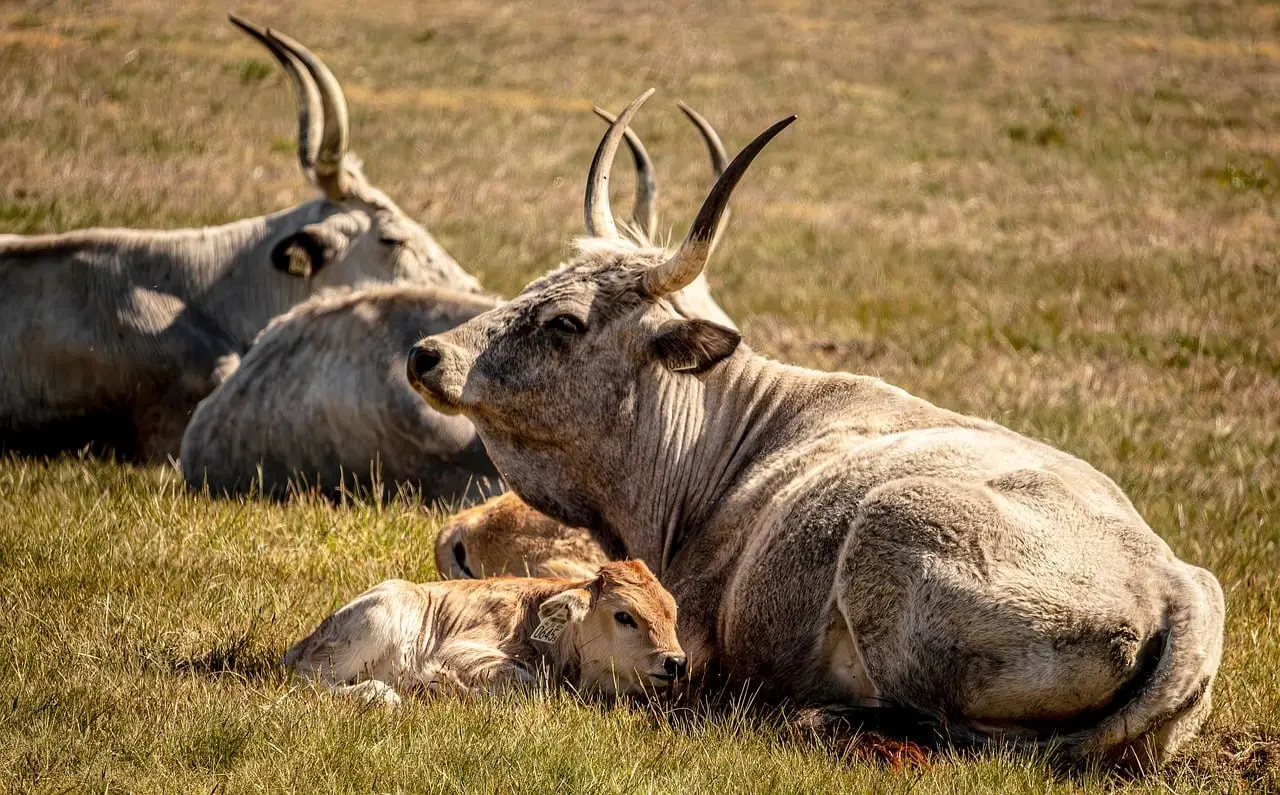
The mechanism is straightforward: Tyson can't run plants at capacity if there aren't enough cattle to slaughter. The US is in what Tyson called "one of the most severe cattle shortages in US history," paired with volatile cattle prices that have squeezed processing margins from both directions.
Vertical coordination with a producer group like Allied Beef gives Tyson a more predictable flow of cattle. For ranchers, a packer-linked model promises demand certainty in a period when herd rebuilding has kept slaughter-ready animals scarce.
The deal also anchors Tyson's plant network plans. The beef business will now run from three sites: Dakota City, Nebraska; Holcomb, Kansas; and Amarillo, Texas. The Allied Beef partnership supports Tyson's push to fully restore the second production shift at Amarillo — a shift that has already restarted and should return to full operation by summer 2027, according to the company.
Tyson COO Wes Morris framed the deal in supply terms: "Together, we plan to strengthen our beef production, creating value for American ranchers, and helping ensure a reliable supply of high-quality beef for customers and consumers."
The numbers behind the deal
The partnership didn't come out of nowhere. In September, Tyson cut its sales and profit forecasts, citing "additional pressure" on beef in its fiscal fourth quarter.
The revised guidance, issued ahead of annual results due next week:
- Revenue growth: now 1.5% to 2%, down from the 2.5% to 3.5% range issued with third-quarter results on 3 August
- Adjusted operating income: $1.85 billion to $2.05 billion, cut from $2.1 billion to $2.3 billion
- Beef adjusted operating loss: $625 million to $775 million, widened from the August estimate of $500 million to $650 million
That beef revision is the sharpest of the three. Tyson attributed it to "significant margin compression amid volatile cattle prices," plus the expected hit to the value of live cattle inventories if cattle prices fall.
Put in context: a swing from a $500-$650 million expected loss to $625-$775 million means the beef segment alone deteriorated by roughly $125 million at the midpoint in about two months.
What does this change for operators?
For restaurants and retailers buying beef, the deal signals Tyson expects tight cattle supply to persist for years, not quarters — the Amarillo timeline alone runs to 2027. Menu planning and protein pricing built on beef cost relief in the near term may need to hold that assumption up against the packer's own outlook.
It also signals where the supply chain is consolidating. In August, Tyson announced plans to shrink its US beef network, closing plants in Illinois and Utah and selling a facility in Washington state. Capacity now concentrates on the three remaining sites, which raises the stakes on keeping each one running at full shifts — and on securing enough cattle to feed them.
The New York-listed company, which also owns the Hillshire Farm brand, reports annual results next week. Those figures will show whether the widened beef loss estimate held, and how much of the drag the poultry and prepared-foods segments absorbed.
If the Allied Beef model delivers, expect Tyson to describe it as a template — a way to tie rancher economics to plant utilization in a market where the cattle simply aren't there.
More from Olivia Hart
Show full bio
Staff writer covering regulation, policy and their impact on Restaurant and hotel operations at The Pass Brief.
692 articles