Hackers Put Grocery Freezers Into Defrost Mode Across Seven Countries
Hackers forced supermarket freezers into 122-degree defrost across seven countries; DC bans foie gras by 2027; GLP-1 drugs strain couples; Texas Democrats celebrate at Whataburger.
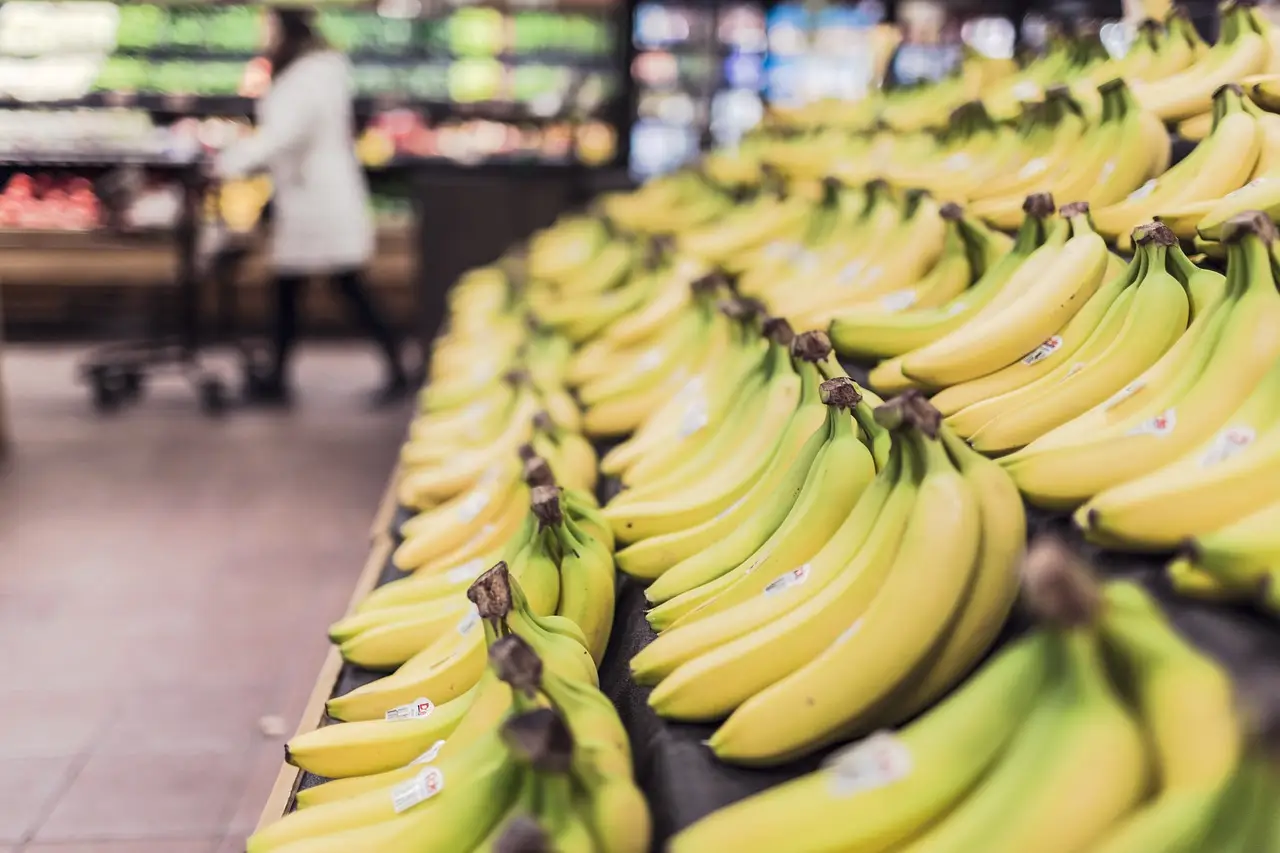
Dozens of supermarkets across seven countries lost their frozen inventory this week after hackers seized control of refrigeration systems and forced freezers into defrost mode, pushing temperatures in some units to 122 degrees. The food spoiled. It got thrown out. And nobody yet knows who did it.
The attackers flipped the freezers to defrost, hot air blew across frozen food, and the loss came in spoiled product and money. Three weeks earlier, nearly identical attacks struck grocery stores in France — same defrost maneuver, same hot air, same wasted stock.
Officials are investigating, but the culprits and their motives remain a mystery. According to the BBC, experts float three possibilities: hackers based in Russia, hackers based in Iran, or teenagers running a prank. That's the full working theory, at least publicly.
Could this reach the United States?
It already may have. In August, six military bases across the country reported odd refrigeration malfunctions that matched the European pattern. The Pentagon is investigating the incidents as a suspected hack, and that's about all the information available.
The FBI moved on Thursday, issuing a warning about "malicious cyber activity targeting industrial refrigeration and cold-chain monitoring systems around the world." For grocers and any operator running walk-ins or cold storage, the message is blunt: the monitoring layer sitting between your compressors and your thermostat is now attack surface.
What does DC's foie gras ban actually change?
Washington, DC, voted this week to approve a ballot measure banning the sale and production of foie gras, a measure that drew big-name chefs to publicly defend the making, selling and eating of the product — and drew heated discourse, plus topical Halloween costumes.
The ban takes effect July 1, 2027, so there's a long runway. But two barriers stand between the vote and enforcement:
- A New York foie gras company says it will sue, calling the ban "unconstitutional on several grounds."
- DC's chief financial officer estimates implementation would cost more than $300,000 across four fiscal years — money not currently allocated in the budget.
At least one operator isn't planning around it. Bart Hutchins, chef and co-owner of Butterworth's and among the ban's most vocal opponents, told the Washington Post: "I will still be serving it for another decade." That's a decade of menu engineering risk if the ban survives litigation and finds funding.
GLP-1 drugs are straining relationships
When one partner starts a GLP-1 and the other doesn't, the ripple effects can hit the couple's routines and equilibrium, a Washington Post report details. Choosing a date-night restaurant becomes a fault line. Divisions form.
The hard data on GLP-1s and divorce simply doesn't exist yet. But some experts point to bariatric surgery — another weight-loss intervention — where married couples who undergo the procedure were found to be twice as likely to divorce afterward. That's the closest proxy anyone has, and it's an uncomfortable one for a drug class already reshaping how Americans order off menus.
For restaurants, the practical question is the same one the industry has been chewing on since the drugs took hold: how do you feed a table where one diner's appetite has collapsed and the other's hasn't?
Texas Democrats celebrated at Whataburger
The midterms delivered a stack of historic firsts — the first Muslim senator in Michigan, the first openly gay man in the Senate from New Hampshire, the first Black woman governor in Georgia. And Texas flipped blue for the first time in decades.
Senator-elect James Talarico and Governor-elect Gina Hinojosa marked their wins at a Whataburger. It's a surprisingly pointed statement about affordability politics, which anchored many Democratic wins this cycle — a victory party priced like an ordinary Tuesday dinner.
The week's throughline, if there is one: from hacked freezers to banned foie gras to appetite-suppressing drugs, the systems and politics around food keep proving easier to disrupt than anyone budgets for.
More from Daniel Okafor
Show full bio
Correspondent covering companies, deals and strategy in Restaurant and hotel operations at The Pass Brief.
647 articles