Hackers heat French supermarket fridges, sparking fires
Hackers compromised connected refrigeration systems at supermarkets in France, turned up the temperature on the fridges, ignited fires and spoiled perishable inventory across multiple locations, exposing cold-chain cyber risk.
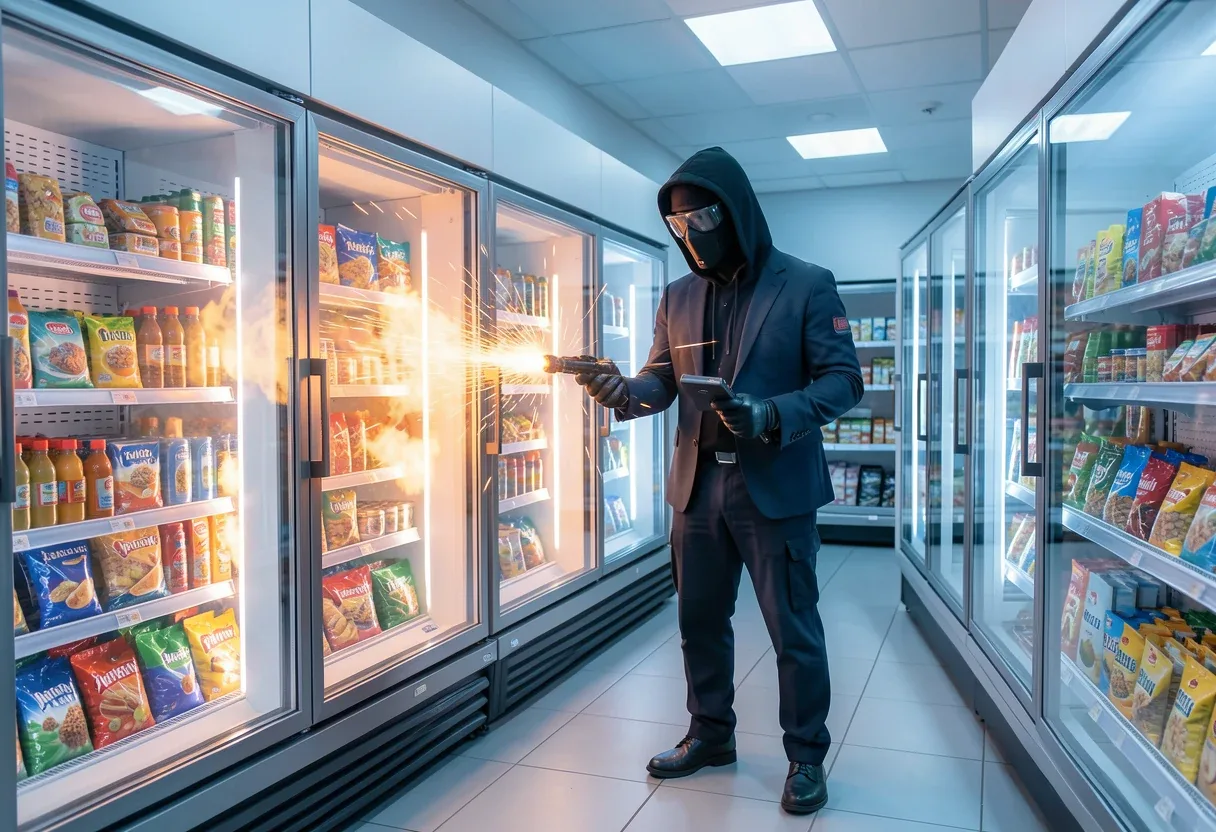
The early picture from a Reuters dispatch is stark: hackers compromised connected refrigeration systems at supermarkets in France, turned up the temperature on the fridges, and ignited fires that spoiled perishable inventory across multiple locations.
What does this change for grocery and foodservice operators?
Everything, depending on whose boilerplate they wrote last.
Cold chain cost isn't abstract. In supermarket operations, refrigeration ranks among the top three utility and capital line items. Energy on cold storage eats a hefty share of total store electricity, and spoilage in fresh categories can quietly bleed margin even in a normal quarter. When a connected controller tells a compressor to do something it shouldn't, every hour of elevated temperature can mean pallets of dairy, meat and prepared food headed for the dump. A forced defrost or thermal excursion can double spoilage on affected SKUs overnight.
Fires complicate the math further. A single supermarket-format fire can mean six- to seven-figure losses when you stack structural damage, inventory write-downs, business interruption and the slower bleed of customer trust. French grocers have spent years compressing margins to the bone. A multi-site event of this kind can erase a quarter's operating profit at the affected banners.
Where the attack surface actually lives
What's new is the attack surface itself. Connected refrigeration — once a quiet back-of-house system with analog thermostats — now ships with Ethernet, cloud dashboards and remote diagnostics the original mechanical era never imagined. Vendors selling "smart" cases and remote monitoring promised operators energy savings and predictive maintenance. They also created entry doors. A heating command, the attacker's payload of choice, hides from a store manager walking the aisles until the dairy case feels warm or the smoke detector screams.
Operators historically treated refrigeration as a facilities problem. Chiller breaks, you call the HVAC vendor. Cybersecurity treats it as a door. That gap is the vulnerability, and it shows up in the procurement contract first.
Who owns the cyber risk on a vendor-managed controller?
The structural question: who owns the cyber risk on a third-party-installed, vendor-managed refrigeration controller? Traditional facilities agreements rarely name a party for software patch latency, default credentials or remote-access exposure. Cyber policies, where they exist for property damage, often exclude losses traced to vendor-managed industrial control systems. The French incident is the kind of event that forces those clauses into boardroom conversations.
Regulators won't stay quiet. France's national cybersecurity authority has been active on critical infrastructure protection. Grocery distribution sits adjacent to that perimeter. Operators should expect scrutiny on connected-asset inventories, vendor remote-access policies and incident disclosure timelines. Whether formal rules land or not, procurement teams will start asking cold-chain vendors for SOC 2 reports, signed-off patch cadence and named accountability for remote sessions.
The narrow, concrete questions worth asking now
For operators, the practical questions run narrow:
- Is the refrigeration management system on the IT asset inventory, or stranded in the facilities org chart where nobody patches it?
- Who holds the admin credentials, and how many of them?
- What alerts fire when a setpoint moves more than a couple of degrees outside normal band?
- What's the rollback plan if the controller is compromised mid-service?
A heating command, after all, doesn't knock first.
More from Daniel Okafor
Show full bio
Correspondent covering companies, deals and strategy in Restaurant and hotel operations at The Pass Brief.
401 articles