Restaurant Disaster Losses Peak After the Storm Passes
The costliest phase of a restaurant disaster starts after the damage ends: lost revenue, spoiled inventory, payroll and fixed costs keep running while doors stay dark.
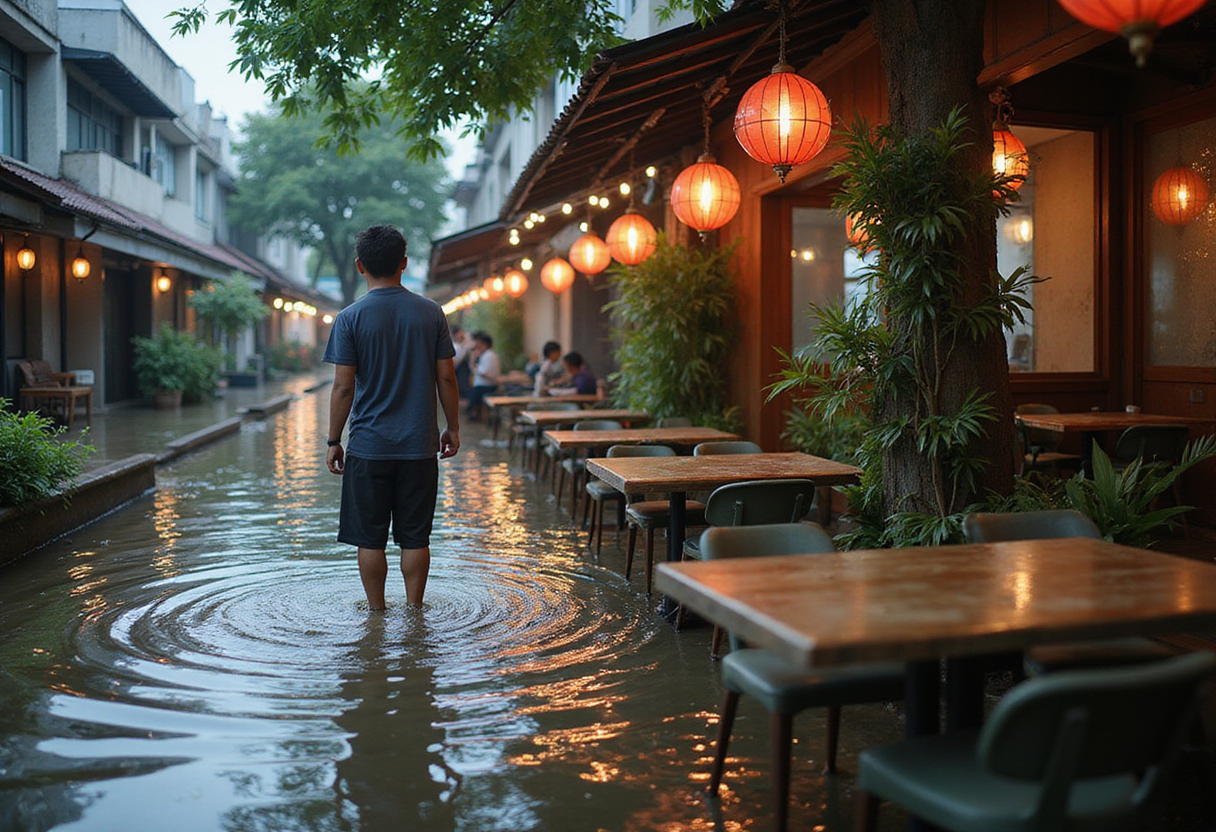
The most expensive phase of a restaurant disaster often begins after the wind stops, the flood recedes or the fire is out. That is the central warning from a Restaurant Dive examination of how restaurants actually lose money in disasters: the physical damage is only the opening item on the loss statement, and the losses that follow — closed doors, unpaid staff, spoiled inventory and slow insurance payouts — are the ones that push operators toward permanent closure.
For an industry running on thin margins and high fixed costs, the arithmetic is unforgiving. A restaurant that cannot open still owes rent, insurance premiums, loan payments and, in many cases, some portion of payroll. Revenue stops the day disaster strikes. Those obligations do not.
Why does the damage itself matter less than the downtime?
Because a restaurant's disaster exposure is fundamentally an income-statement problem, not just a property problem. The visible destruction — a damaged roof, flooded dining room, burned kitchen line — is what insurance adjusters photograph and what operators instinctively focus on. But the compounding losses run through the P&L:
- Lost revenue during closure. Every day a unit stays dark is a day of unrecoverable sales in a business built on daily traffic.
- Spoiled inventory. Power outages destroy refrigerated and frozen stock, a direct hit to cost of goods already under pressure.
- Payroll and retention. Operators face the choice of paying staff during a closure to keep a workforce intact, or losing trained employees to competitors who are still open.
- Fixed costs that continue. Rent, equipment leases and debt service keep running regardless of whether the fryers are on.
- Slow recovery capital. Insurance claims and relief funds can take weeks or months to arrive, leaving operators to bridge the gap with cash they often do not have.
This is why, as Restaurant Dive frames it, the worst losses come "after the damage is done." The event is finite; the financial aftermath is not.
Who is most exposed?
Independent and small-chain operators carry the greatest risk, because they typically lack the balance sheet, insurance sophistication and multi-unit cash flow that let large franchised systems absorb a single location's downtime. A brand with hundreds of units can close one restaurant and keep the corporate P&L whole. A single-unit operator closing for a month may never reopen.
Even large chains feel it at the market level. A regional disaster that takes out a cluster of locations simultaneously concentrates the losses rather than spreading them across the system.
What can operators do before the next event?
The reporting points operators toward preparation as the lever they actually control:
- Review business interruption coverage, not just property coverage, and understand what the policy actually pays and for how long.
- Document inventory and equipment in advance so claims can be filed quickly and disputed less.
- Build a cash reserve or credit line that can carry fixed costs through a multi-week closure.
- Establish a plan for staff — who stays paid, for how long — before the crisis forces an improvised answer.
The insurance payout timing problem deserves particular attention from operators. A claim that settles in three months is not equivalent to one that settles in three weeks, because the closure costs accrue daily while the operator waits. Faster documentation and cleaner records shorten that gap.
The bottom line
Restaurant operators cannot prevent hurricanes, floods or fires. What they can determine, largely in advance, is whether the period after the disaster is a managed expense or an uncontrolled spiral through lost sales, lost staff and exhausted cash. As extreme weather events increasingly disrupt restaurant operations, the operators most likely to survive are the ones treating post-disaster financial exposure as a planning discipline — one addressed in the quiet months, not in the aftermath.
More from Elena Vasquez
Show full bio
News editor covering industry trends and analytics at The Pass Brief.
245 articles