46% Less Water, 9,000 Colors: Inside Ulster Carpets' Portadown Works
Ulster Carpets has cut water use 46% since 2018 and runs 40 patented PSYLO looms in Portadown, weaving bespoke Axminster carpet for global hotel projects.
Water consumption at Ulster Carpets' Northern Ireland operations has fallen 46% since 2018 — the measurable result of a Dyehouse and Energy Centre that has rebuilt how the company colors its wool. That facility sits at the front of a factory tour SPACE editor Jess Miles took through the firm's Portadown headquarters, published by Hotel Designs, and it frames the larger story: a fourth-generation, family-owned supplier running nearly the entire bespoke carpet process in-house for luxury hospitality projects worldwide.
Where the carpet actually comes from
Ulster has manufactured in Portadown since its founding in 1938. Roughly 95% of its carpet is made there, covering dyeing, weaving, inspection, finishing and despatch. The remainder comes from a second site in Northumberland, while wool is spun at Ulster Yarns, the company's Yorkshire mill.
The dyeing operation replaced the old method — hanks of yarn soaked in large dye baths — with package dyeing: yarn wound onto perforated tubes with dye circulated through it. The system recovers heat from used water to warm fresh water drawn from an on-site borehole. It also penetrates the wool more deeply, producing richer colors.
The dyehouse hosts a color hub holding more than 9,000 reference shades. If a client's needed tone isn't in the drawers, Ulster develops a bespoke match from the client's own material or color reference.
What the looms do differently
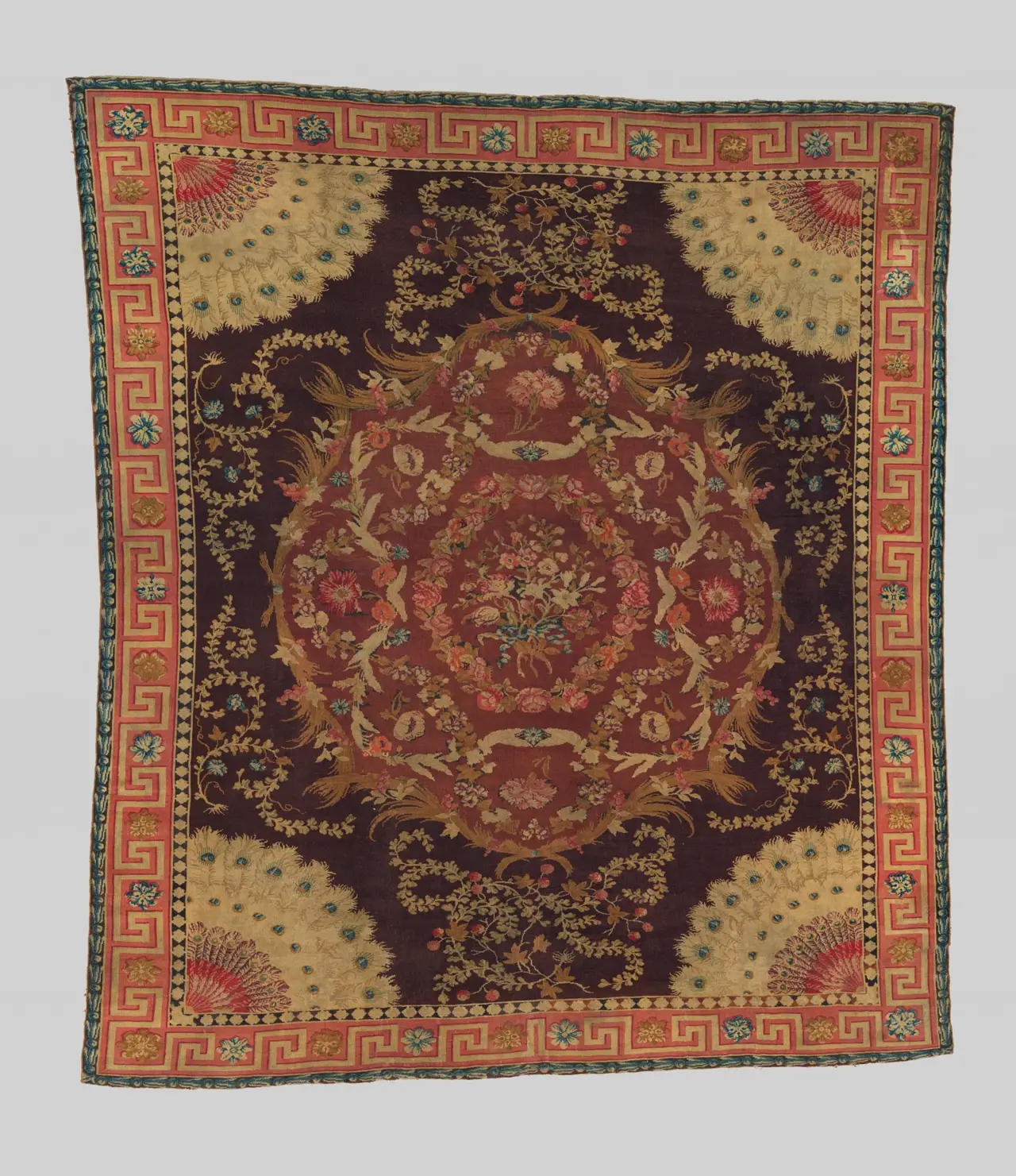
The weaving floor runs 40 Axminster looms, each using Ulster's patented PSYLO technology, which allows up to 25 colors within a single design — the mechanism behind the texture and depth that command premium pricing in hotel corridors and ballrooms. Miles also saw a new loom generation engineered and built in Sunderland by GTM, a company within the Ulster Group, designed to produce more carpet per square metre using less energy.
Quality control remains labor-intensive. Every inch of every carpet is visually inspected, mending is done by hand, and each order is rolled out side by side before despatch to check that patterns align across adjoining rolls.
The workforce is part of the equation. Marine Sales Manager Ciara Halligan joined Ulster as a weaver more than 30 years ago; Miles reports nearly everyone on the tour had either spent years at the company or followed family members into it.
How bespoke design pays off
Custom work makes up the majority of Ulster's hospitality projects. Rather than selling from stock collections, the design team builds each property's carpet from scratch. Senior Designer Sarah Moffatt showed Miles the concept for Ulster's stand at an upcoming trade show: under the theme "designed to be remembered," the team photographed corroded metal around the factory and the local chalk landscape, then abstracted the textures into rust-toned patterns with tonal depth.
That same process applies to client briefs. The team researches a property's history and locale — on one heritage project, the leaf veining of native plant species was translated into carpet through color and form. On a hotel with unusually curved corridors, designers adapted scale, positioning and movement so the pattern kept its look while fitting the architecture.
Design also feeds sustainability. The team lays out patterns and panels to minimize waste when carpet is cut at installation, and handtrials plus other waste are recycled into Wool Felt and Axfelt Triple Layer underlay at Ulster's Recycling Hub in Devon.
For operators specifying FF&E, the takeaway is control: one ownership group manages yarn, dye, weave, inspection and export. As hotel brands push harder on both provenance and waste, that vertically integrated model is the pitch Ulster will keep selling into its ninth decade.
More from Olivia Hart
Show full bio
Staff writer covering regulation, policy and their impact on Restaurant and hotel operations at The Pass Brief.
641 articles