Oklahoma City Operator Sidesteps Wholesalers, Raises Own Cattle to Hedge Beef Costs
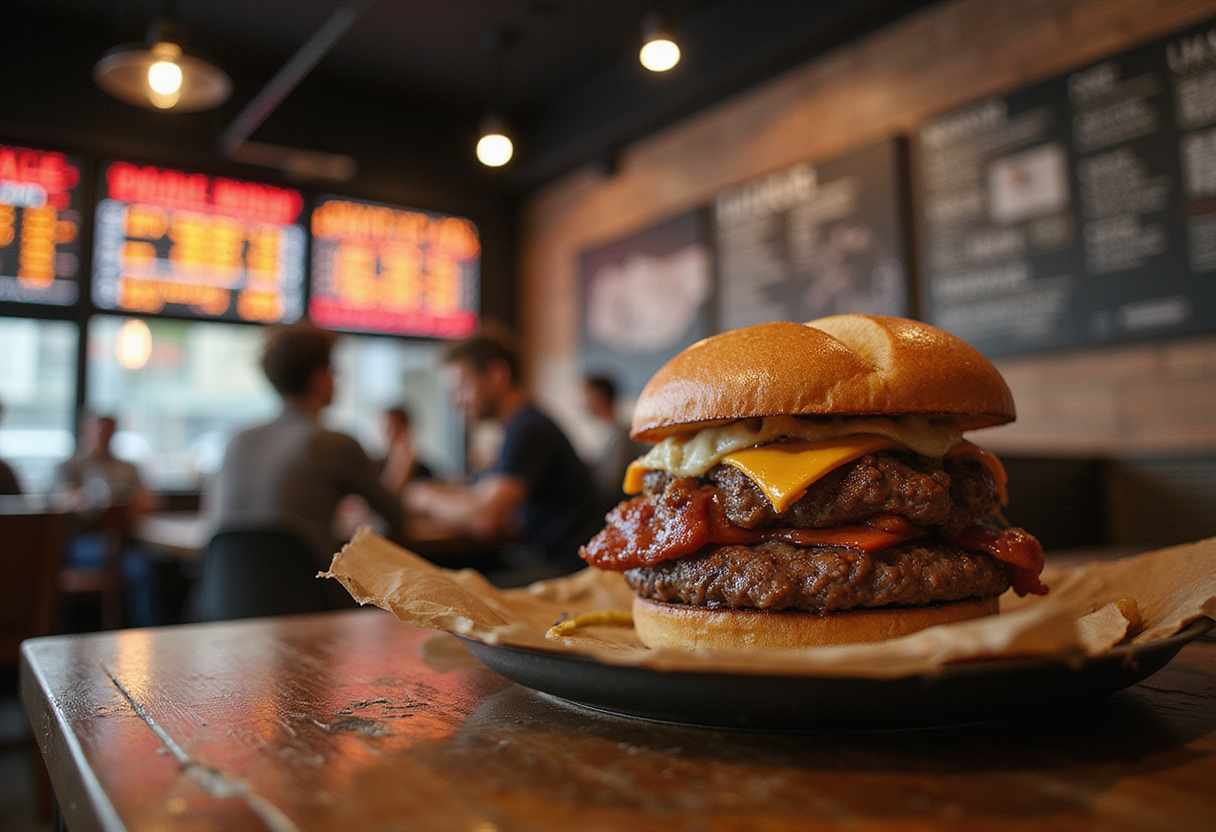
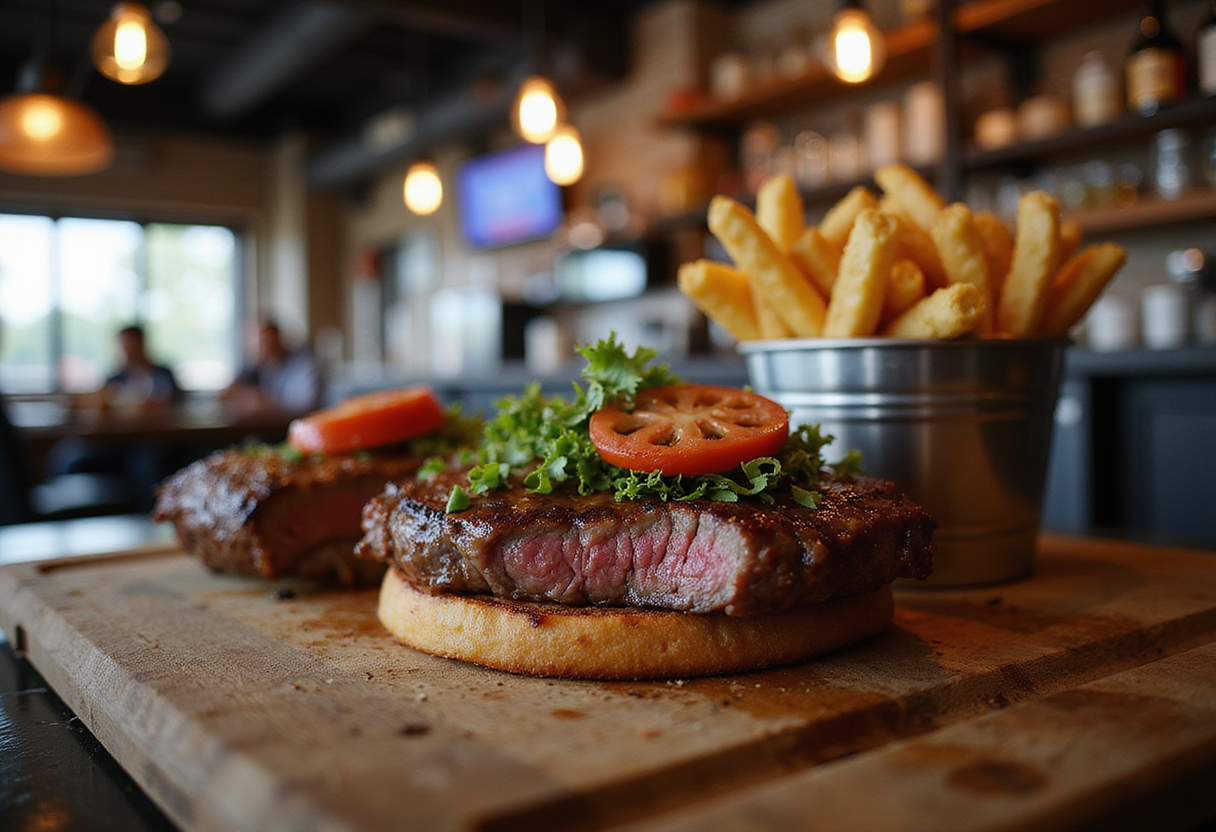
One Oklahoma City restaurant has begun raising its own cattle as wholesale beef prices climb and supply tightens — a vertically integrated response more typical of meat packers than of single-unit operators.
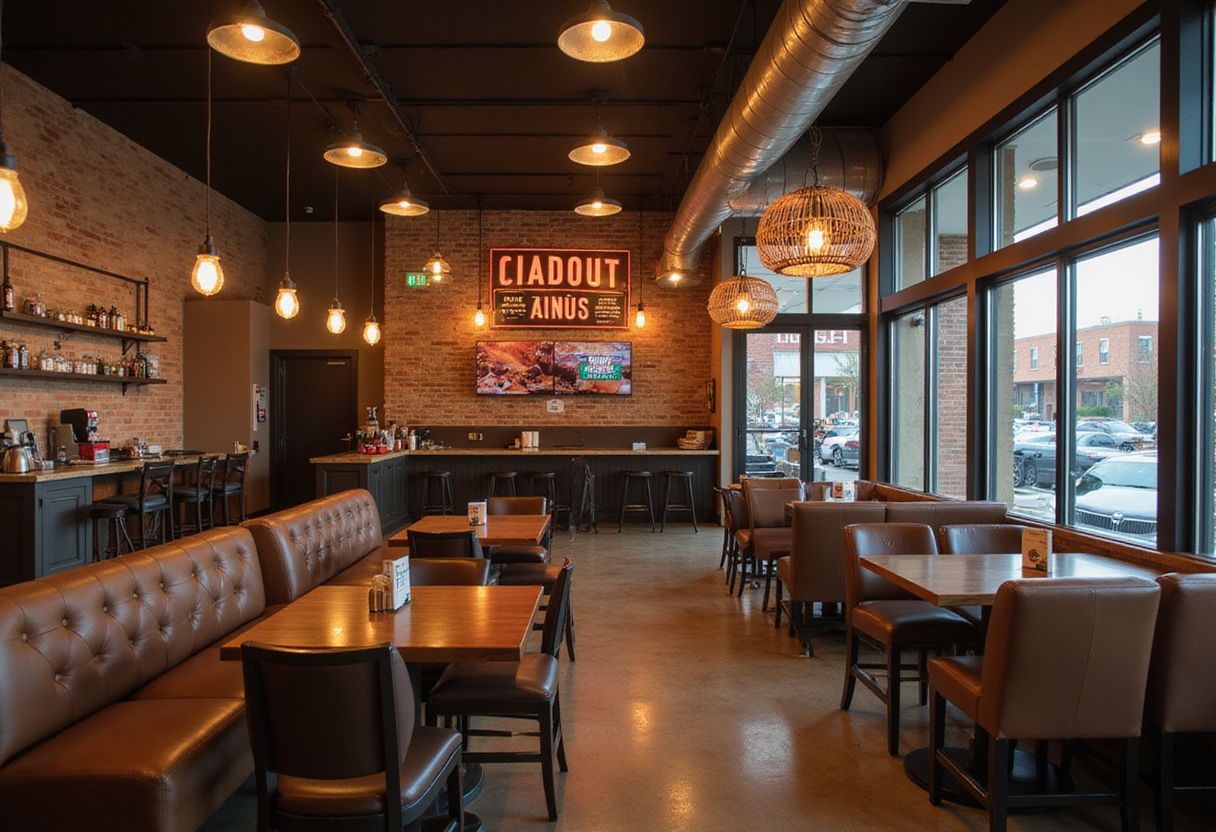
One Oklahoma City restaurant has begun raising its own cattle as wholesale beef prices climb and supply tightens, News 9 reported — a vertically integrated response more common to meat processors than to single-unit restaurant operators.
The move shows how upstream protein pressure is now reaching the operator's balance sheet directly, not just the menu.
What does on-site cattle production change for the operator?
For most U.S. restaurants, beef sits among the largest food-cost lines and is a major driver of food-cost percentage quarter to quarter. Vertical integration into cattle exchanges margin volatility for capital exposure: the operator carries the cost of the herd, grazing land, feed, and veterinary service, plus the biological lead time from calf to processing weight, generally 18 to 24 months.
For most independents, the calculus tilts toward cheaper menu levers — selective price increases, portion engineering, or protein mix shifts toward lower-cost alternatives. For an operator with land access, ranching relationships, or a balance sheet able to absorb a multi-year biological asset, controlling the herd locks in supply against further wholesale spikes and gives the kitchen a more predictable input cost over a two- to three-year horizon.
What this is replacing
In a typical supply chain, the restaurant buys boxed beef from a wholesaler, who buys from a packer, who buys from a feedlot. Each step carries margin and absorbs volatility. When an operator bypasses that chain and produces the animal directly, they take on the feedlot's risk, the packer's scheduling exposure, and the wholesaler's logistics, in exchange for a stable delivered cost. The trade is liquidity and operational complexity for input cost certainty.
Why this move is unusual
Vertical integration into cattle is most common among large protein processors and a handful of restaurant groups with adjacent ranching operations. A standalone restaurant taking the herd onto its own books is rare, and signals an operator who has decided that menu levers alone cannot fully offset the wholesale environment. For most operators watching the story, the move reads more as a benchmark for how serious upstream pressure has become than as a model to copy.
What operators watching this story should track
- Supply security: the operator controls slaughter and delivery timing rather than competing on the spot market, removing exposure to wholesale allocation.
- Capital lock-up: cash and land sit in a non-liquid asset tied to a biological production cycle, which can constrain reinvestment elsewhere.
- Menu pricing flexibility: predictable input cost lets menu prices track competitive levels rather than reactive spikes.
- Brand and menu identity: ranch provenance becomes a marketing and storytelling asset on the menu and online, often justifying a price premium above wholesale parity.
The broader operator read
The Oklahoma City decision fits a directional pressure visible across protein markets, where tight cattle supply meets steady or growing beef demand and restaurants face higher wholesale costs. Operators without the balance sheet to absorb upstream functions are most likely to respond through the levers they already own: portion engineering, menu mix shifts toward poultry or plant-based, and selective price increases on signature items. Whether the vertically-integrated response spreads beyond this operator or remains a one-off is the question to watch as the next cattle cycle plays out.
More from Elena Vasquez
Show full bio
News editor covering people, launches and day-to-day practice in Restaurant and hotel operations at The Pass Brief.
347 articles