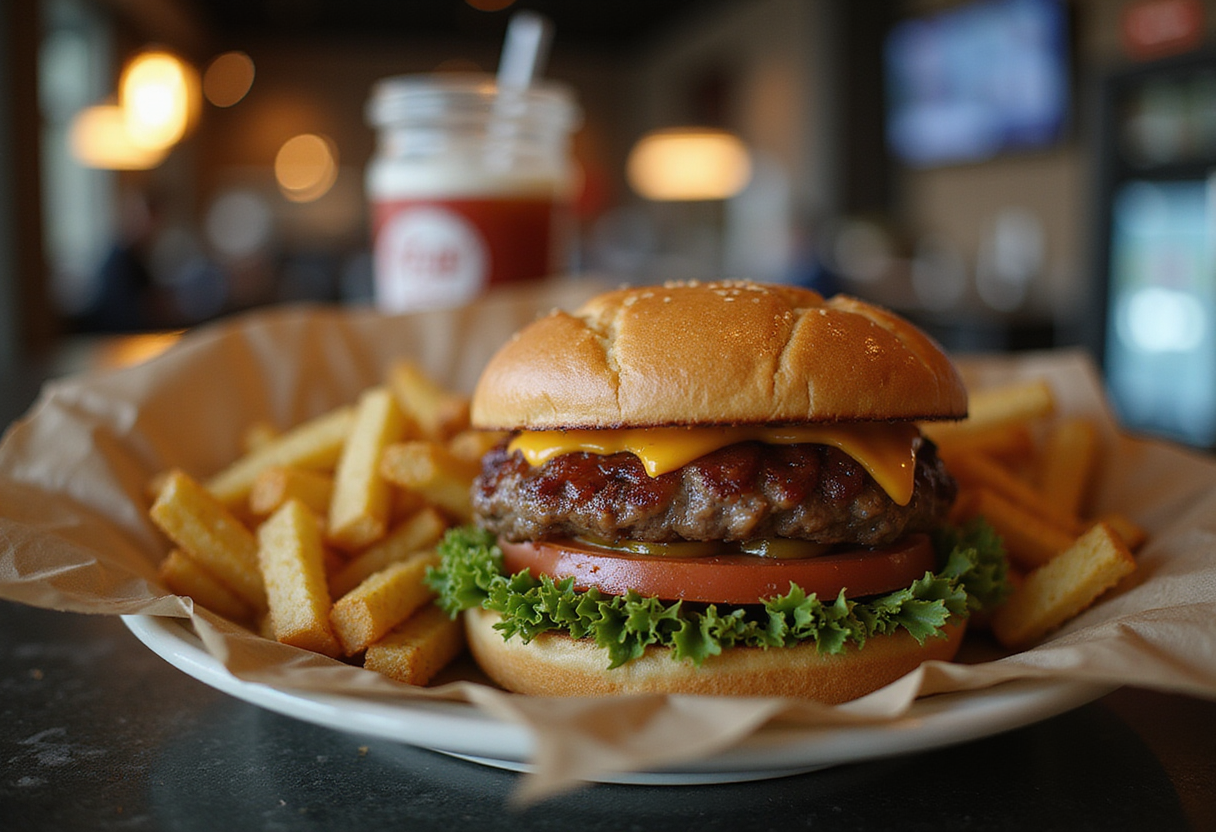
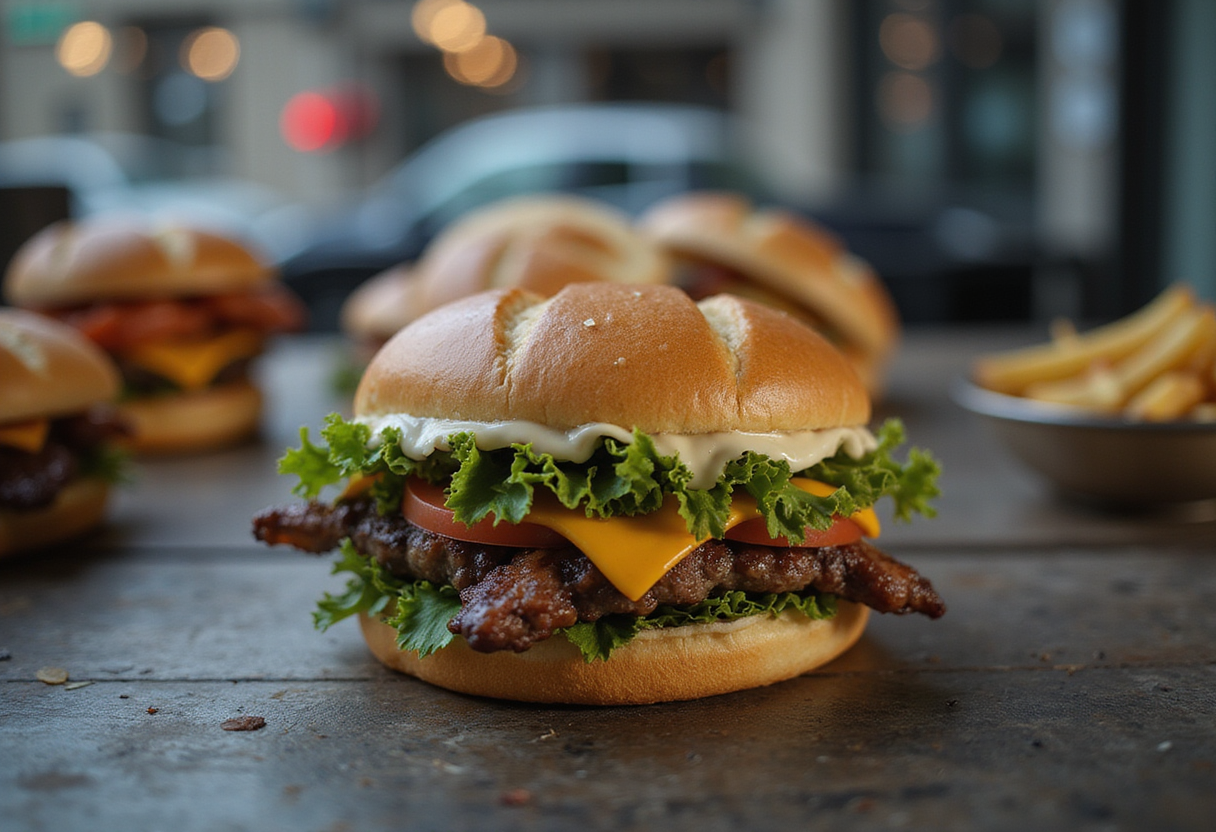
Wholesale Beef Costs Climb, But Restaurant Burger Menus Hold
Wholesale beef prices are climbing sharply, yet restaurant burger prices remain relatively flat. The disconnect reflects contracted supply, menu engineering, and operator absorption of cost.
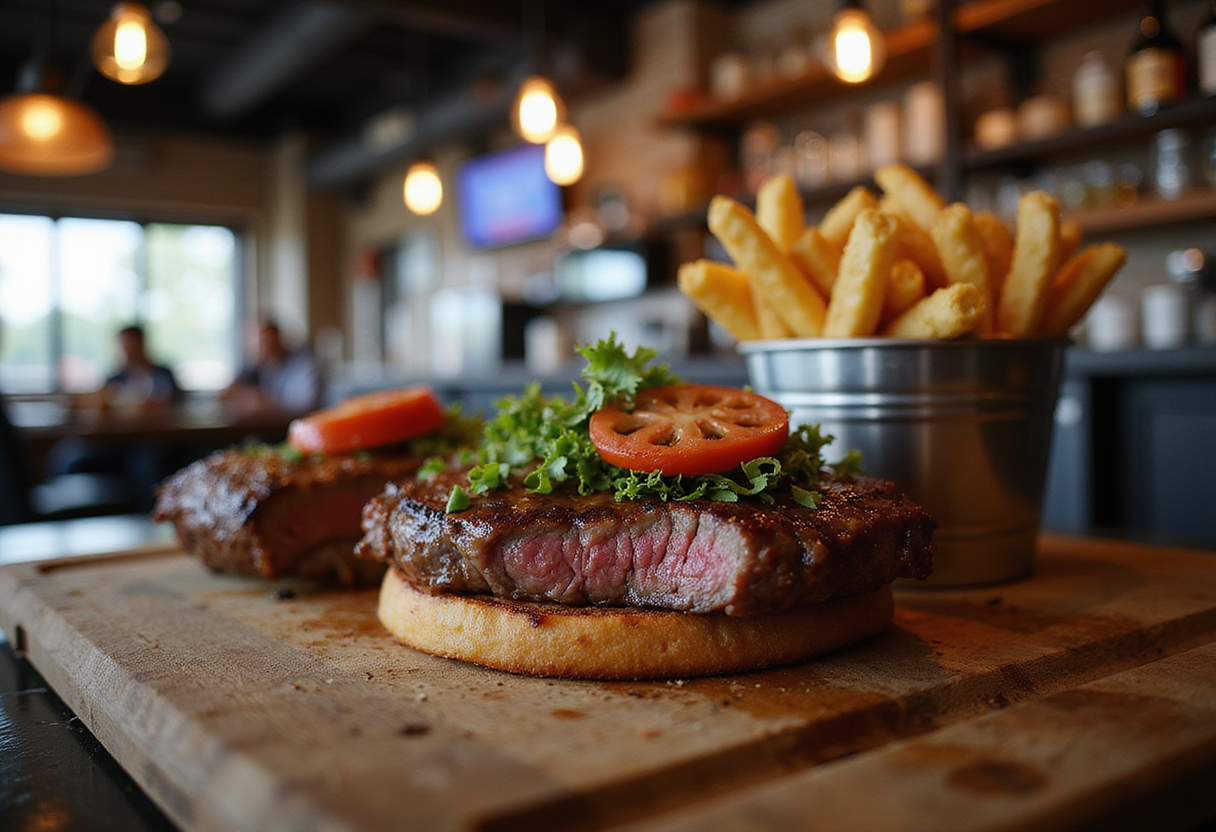
Wholesale beef prices have climbed sharply, but the average restaurant burger on a U.S. menu has barely moved, exposing the gap between commodity markets and what diners actually pay at the table.
The disconnect sits at the heart of menu economics, where operators routinely absorb input-cost swings to protect traffic and protect the price point of their signature item. Beef is the single largest cost line for many burger concepts, and a sustained wholesale increase would normally flow through to menu prices within one or two reorder cycles. That has not happened this round, at least not visibly.
Why don't burger prices track beef 1:1?
Several operator-level mechanics explain the lag:
- Contracted supply. Chains and independents buy beef on term contracts that lock price for 30, 60, or 90 days. A wholesale spike today hits the invoice, not the menu, until the contract rolls.
- Different trim markets. The 80/20 grind used in most burgers is priced off a different cut stack than ribeye or strip. A rally in middle meats does not always flow into trim on the same curve.
- Menu engineering. Burgers anchor the value perception of a menu. Operators protect the headline price even when it compresses contribution margin, then recover margin on sides, beverages, and limited-time offers.
- Overhead offset. When labor, rent, and packaging are also climbing, operators can absorb a beef cost on the margin rather than trigger sticker shock on the most visible SKU.
- Elasticity. Burger traffic is unusually price-sensitive. A 50-cent menu hike can move check count more than a dollar of beef cost can recover.
What is changing for operators?
Operators are not insulated from the wholesale move. Ground beef, brisket, and short rib all feed plate cost, and a sustained run-up pressures food-cost percentage — the line operators watch most closely. Most groups will hold price until they can no longer absorb, then move in 25- to 50-cent increments to test tolerance without breaking the burger's value framing.
Some operators are shifting mix: more chicken, more plant-based, more premium add-ons carrying higher margin per ounce of protein. Others are quietly retraining portion specs — from 4-ounce to 3.6-ounce patties — while keeping the same bun, the same plate, and the same menu price. Both moves protect the number on the wall while accepting a higher implied beef cost on the plate.
When will menus catch up?
Menu prices follow wholesale costs on a delay measured in months, not weeks. The current beef inflation will surface in the next pricing cycle, most likely through small, frequent increases rather than a single jump, and most likely at the concepts with the thinnest margins and the least contracted supply. Diners will see the change first at independents and at fast-casual operators without the scale to hedge.
Until then, the burger on the menu is doing its job as a traffic driver, even when the cost of the protein underneath is moving in the opposite direction of the price on the wall.
More from Daniel Okafor
Show full bio
Correspondent covering consumer brands and retail at The Pass Brief.
216 articles