True Food Kitchen files Chapter 11, closes 12 of 46 units
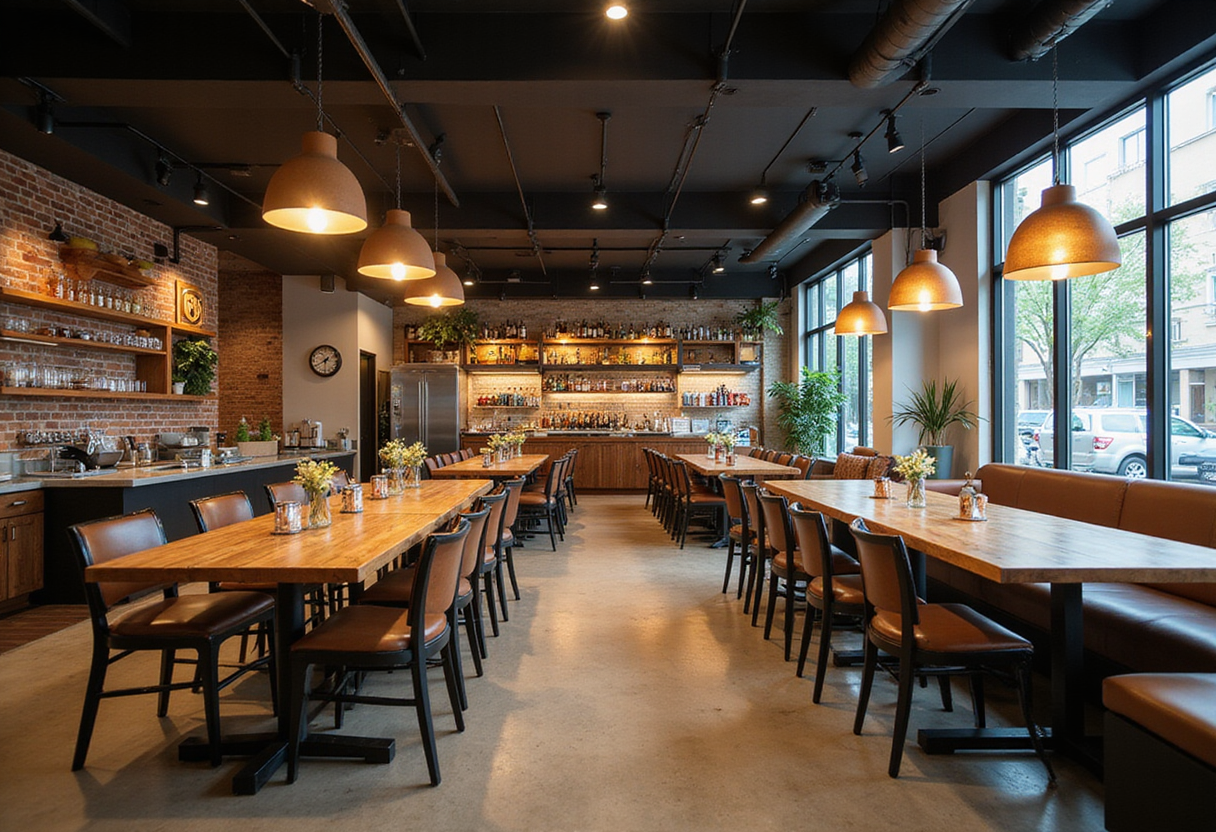
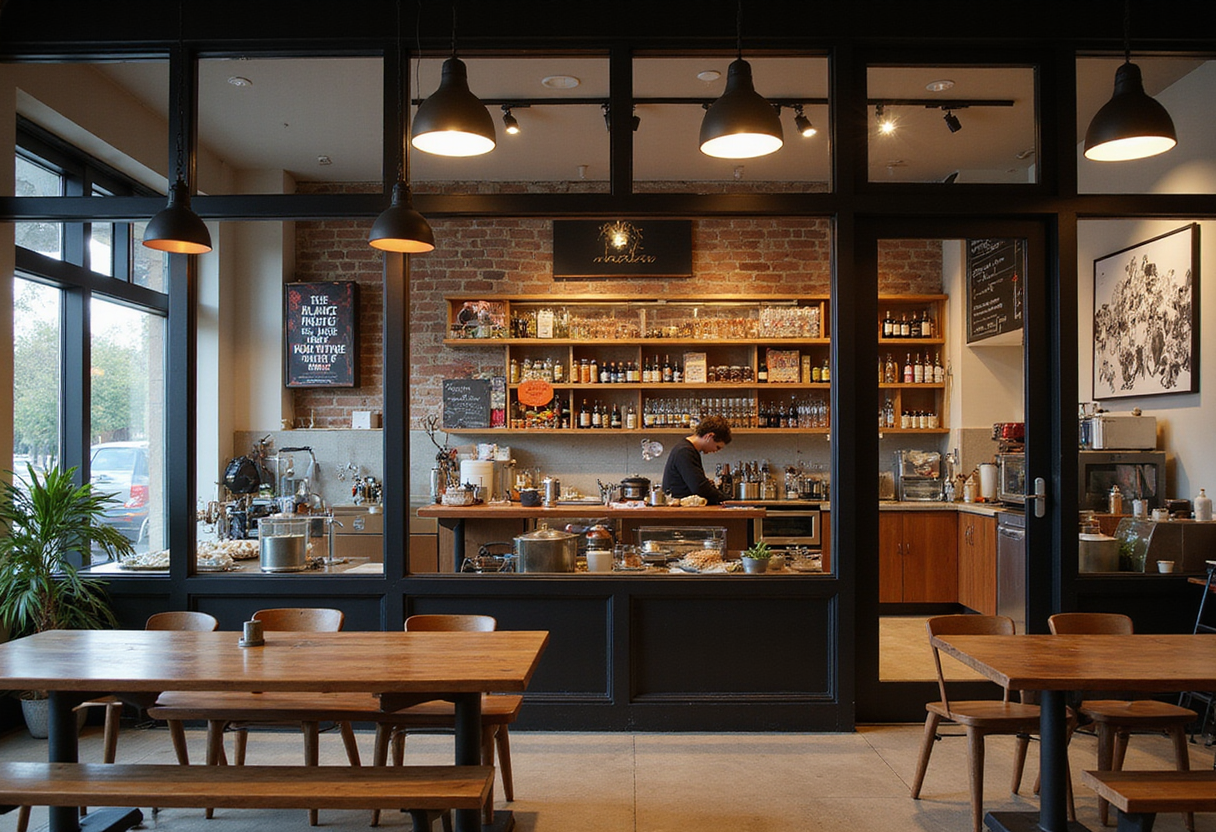
True Food Kitchen filed Chapter 11 in Houston on Oct. 4, shuttering 12 of 46 units. The 34 remaining restaurants will operate through a court-supervised sale backed by $20 million in DIP financing from HumanCo TFK IV.
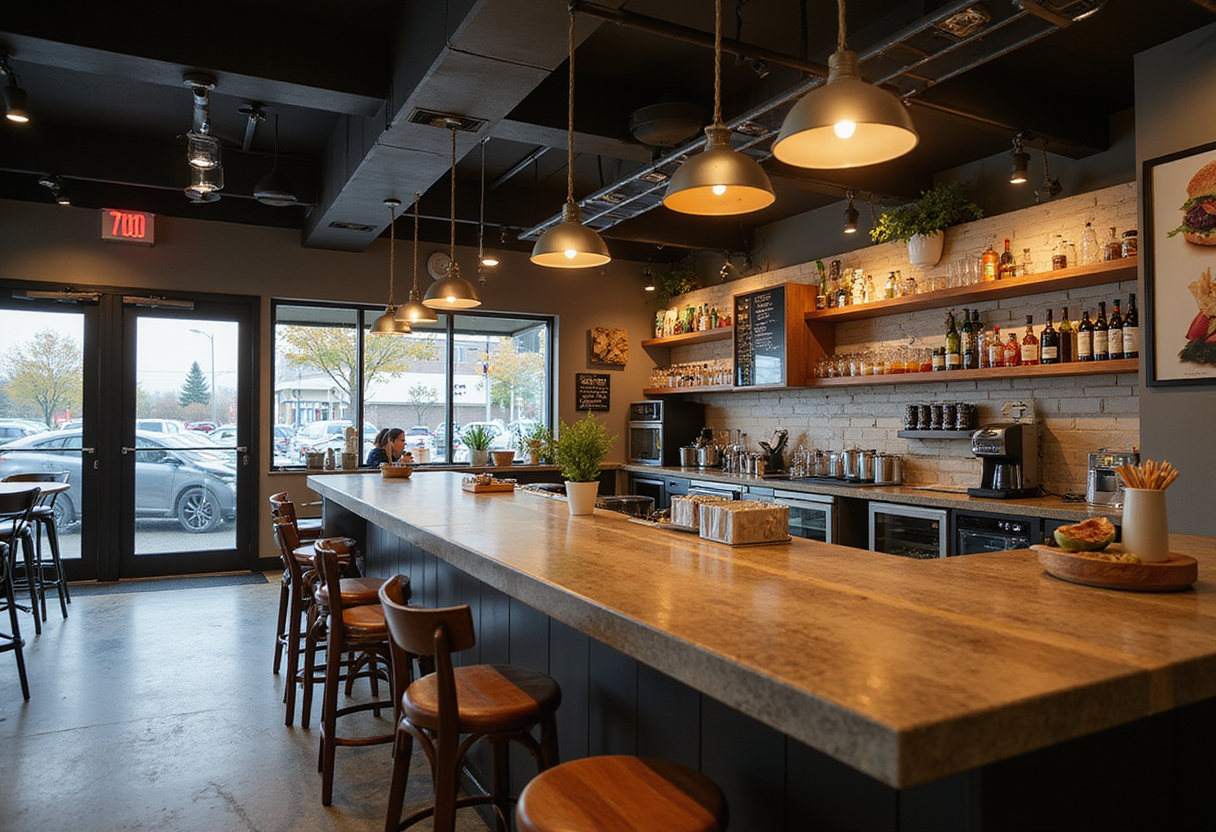
True Food Kitchen filed for Chapter 11 protection in the U.S. Bankruptcy Court for the Southern District of Texas on Oct. 4, shuttering 12 of its 46 restaurants while the remaining 34 locations across 14 states continue trading through a court-supervised sale.
The wellness-driven casual chain secured $20 million in debtor-in-possession financing from HumanCo TFK IV, subject to court approval. Combined with operating cash, the company expects the facility to fund the chain through restructuring and a sale.
Chief Restructuring Officer Nathan Cook, a managing director at advisory firm Teneo, said the filing followed pressure that built for years and accelerated during the pandemic. "True Food Kitchen's financial distress has been building since the COVID-19 pandemic, which impacted profitability at a time when the company was growing," Cook said during a first-day motion.
What pushed the chain into Chapter 11?
The court filing points to four overlapping pressures that eroded unit economics across the system:
- Pandemic-era off-premise tests. Several locations operated as ghost kitchens and the company opened an off-site kitchen for delivery-only orders. The tests strained staffing and degraded the dine-in experience, Cook said. The company has since terminated those sites.
- Foot-traffic shortfalls. Some restaurants underperformed because of lower-than-anticipated car and pedestrian counts, while others lost ground as surrounding demographics shifted.
- Management churn. Repeated leadership turnover forced repeated changes in growth strategy, branding and menu, eroding execution discipline.
- Off-mission capital deployment. The chain invested beyond its core markets and in new product lines and restaurant concepts that Cook described as "unsuccessful and outside the Company's core mission and menu." Capital also funded equipment to sell those product lines in units where the offer was "not well aligned with the Company's health-focused brand identity."
The cumulative effect: rising labor and ingredient costs on a menu that lost focus, spread across a footprint that no longer matched the brand's strongest demand patterns.
Who runs the chain now?
True Food Kitchen's leadership bench has been rebuilt in the months leading up to the filing. Jeff Chandler joined as CEO in July 2026. The company retained Gordon Brothers to review its real estate portfolio and engaged Teneo to evaluate the business and liquidity profile and develop strategic alternatives. Cost-side actions included trimming the corporate workforce, renegotiating vendor contracts, capping discretionary spending and exploring lease assignments across the unexpired portfolio.
How did the chain get here?
True Food Kitchen opened in 2008 as part of the Sam Fox restaurant group and grew to 20 units. The brand spun off as FRC Balance in 2017, then attracted an equity investment from Oprah Winfrey in 2018, who joined the board as the company plotted an East Coast push. The system peaked at 46 restaurants before contraction began.
Where does the sale go from here?
True Food Kitchen will pursue a process to identify "a long-term partner with the resources and alignment" to operate the chain, the company said. Any further closures will hinge on bidder interest, lease outcomes and the cost structure the chain can reset inside Chapter 11.
The True Food filing caps a year of restructurings across casual dining and fast casual. Salad and Go closed 70 units before its own Chapter 11 this summer; 7 Brew agreed to buy about 63 of those stores for $123 million. On the Border filed for Chapter 7 liquidation less than two years after Pappas Restaurants bought it out of Chapter 11. Fat Brands declared bankruptcy in January 2026, was split among multiple buyers and relaunched as OHG (Original. Honest. Good.).
How the True Food system is repackaged — wellness positioning, footprint size and check-level discipline — will shape the next 12 to 18 months of casual-dining deal flow.
More from Rebecca Stone
Show full bio
Senior reporter covering media and advertising at The Pass Brief.
225 articles