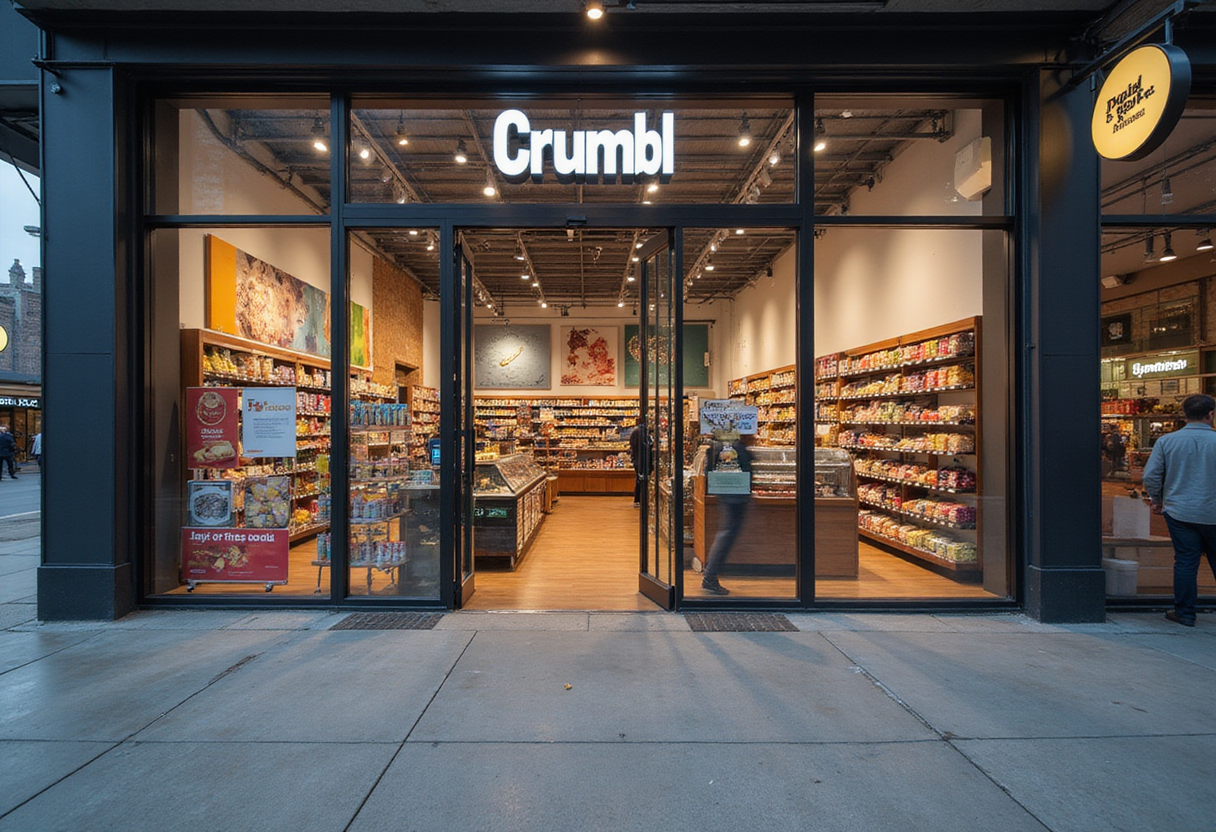
Crumbl Store Closures Signal Squeeze on Fast-Casual, Discretionary Spending
Crumbl has closed multiple stores, a signal that discretionary spending pressure is now hitting dessert-focused fast-casual concepts and their franchisees.
Crumbl, the fast-growing cookie bakery chain, has closed multiple locations — a signal that even high-traffic fast-casual dessert concepts face intensifying pressure as consumers pull back on discretionary spending.
The closures, reported by KMYU, offer a window into conditions across the fast-casual segment, where operators are contending with a customer base increasingly reluctant to spend on non-essential treats and impulse purchases.
Why do Crumbl's closures matter beyond the chain itself?
Crumbl built its growth story on novelty — a rotating weekly menu promoted heavily through social media — and on rapid unit expansion through franchising. When a concept that depends on repeat discretionary visits starts closing stores, it functions as a real-time indicator of how much slack remains in consumer budgets for low-ticket indulgences.
Cookie and dessert purchases are among the most easily deferred spending categories. A downturn visible at Crumbl locations suggests operators across fast-casual may need to prepare for softer traffic in similar discretionary niches.
What pressure is the fast-casual segment under?
Fast-casual operators have spent the past two years absorbing elevated food and labor costs while trying to hold price points that consumers still accept. Chains in indulgence-driven categories face a narrower path: their product is precisely the kind of purchase households cut first when budgets tighten.
The closures come amid persistent questions about whether consumers will sustain spending on dining-out occasions that are neither necessity nor habit — a question that analysts have tracked through traffic and same-store sales data across the restaurant industry.
For franchise-heavy systems like Crumbl, closures also carry a structural dimension: individual franchise owners absorb the unit-level economics of leases, labor and ingredients, and closures often reflect those local margins rather than decisions made at corporate headquarters.
What should operators watch next?
The pace of further Crumbl closures — and whether they cluster in particular markets — will indicate whether the pressure is isolated or systemic across discretionary fast-casual categories.
More from Elena Vasquez
Show full bio
News editor covering industry trends and analytics at The Pass Brief.
245 articles