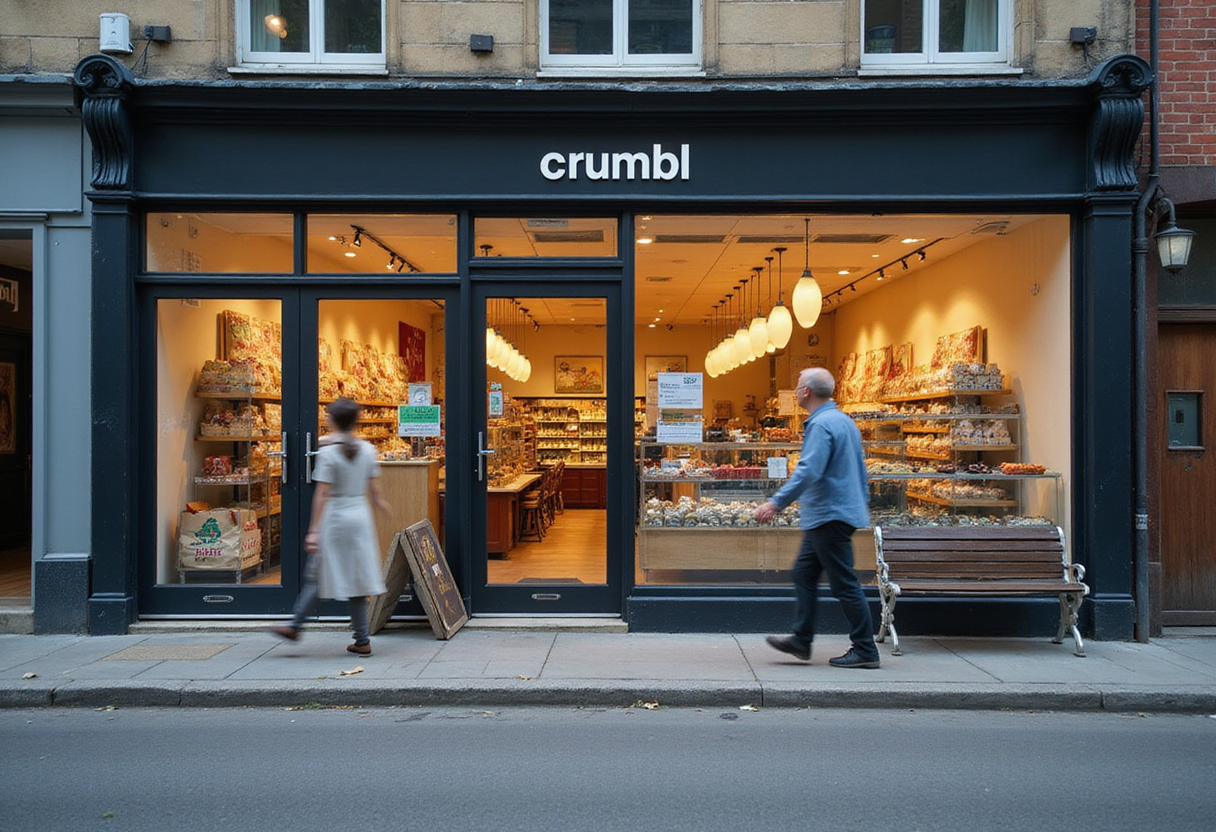
Crumbl CEO Acknowledges Challenges After Store Closures
Crumbl Cookies closed an unspecified number of locations, prompting the CEO to publicly acknowledge operational challenges as the franchise-led chain confronts a reset in its rapid growth model.
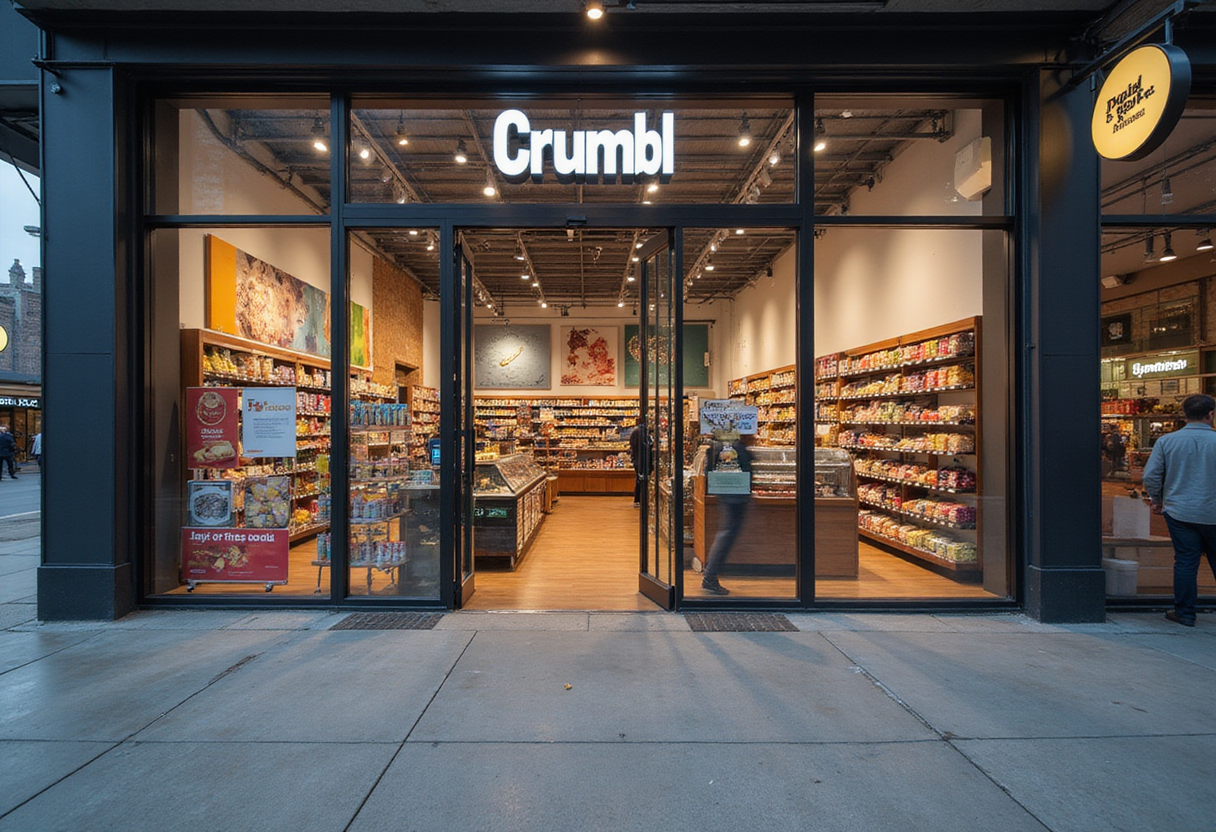
Crumbl Cookies closed an unspecified number of locations, prompting the company's chief executive to publicly acknowledge operational challenges, according to a KJZZ report.
The cookie chain, headquartered in Lindon, Utah, and founded in 2017 by cousins Jason McGowan and Sawyer Hemsley, has built its identity on a rotating weekly menu of oversized gourmet cookies and an unusually aggressive franchise growth model. The brand expanded from a single Logan, Utah, location into one of the most-watched growth stories in the U.S. dessert segment, attracting significant private-equity investment along the way.
KJZZ's headline indicates the CEO addressed the closures, though the available summary does not specify which executive spoke, the number of stores shuttered, the affected markets or the financial impact. Direct quotes were not included in the headline-level summary.
What does the closure wave signal for Crumbl's growth model?
Crumbl's expansion has run largely on franchising, with operators funding new builds and the corporate office supplying the marketing engine, the weekly flavor calendar and the centralized supply chain. That structure lets the company add units quickly without proportional capital risk on its own balance sheet, but it also concentrates execution risk in franchisee hands. When unit economics tighten — from labor, ingredient costs or softening traffic — franchisees are typically the first to walk.
The chain's rotating-menu strategy amplifies that dynamic. Crumbl changes its core lineup each week, driving repeat visits through novelty but creating a forecasting, staffing and waste challenge that fixed-menu operators do not face. Labor scheduling becomes harder when demand spikes around a new flavor drop, and food waste rises when a featured cookie underperforms.
What is the operator-level picture?
The KJZZ report does not break out comparable sales, average ticket, food cost or franchisee margins. Without those numbers, the closure announcement is difficult to read as either a localized correction or a broader inflection point in the chain's economics. The distinction matters for lenders, competitors weighing entry and existing franchisees evaluating renewal.
Why does the CEO's acknowledgment itself matter?
Chains in growth mode rarely telegraph weakness; doing so typically signals management has concluded that silence carries a larger reputational risk than disclosure. For a concept whose value proposition includes scale and momentum, the framing of the statement — what the executive says the closures are not, as much as what they are — will shape how franchisees, lenders and customers interpret the news.
The chain has also drawn scrutiny from competitors in the specialty dessert and cookie categories, including Insomnia Cookies and smaller regional concepts, where store-level economics are heavily sensitive to butter, sugar, chocolate and flour costs and to delivery-platform commissions.
How does this fit the broader restaurant pattern?
Several high-growth chains have trimmed units over the past two years as pandemic-era expansion met a higher-rate, higher-cost operating environment. Crumbl's situation fits that pattern in outline, though the company has not framed the closures as a strategic pullback.
What should operators and competitors watch next?
Three signals will indicate whether the closures reflect a normal culling of underperforming units or a deeper reset: any disclosure from Crumbl on its remaining system-wide unit count, franchisee communication about renewal and termination activity, and comparable-sales commentary from peer cookie and dessert chains facing similar cost pressure.
Crumbl has not historically published franchise-level P&L data. Investors, lenders and prospective franchisees will look for any shift in that posture as the leadership team responds to the closures and attempts to rebuild operator confidence in the model.
More from Daniel Okafor
Show full bio
Correspondent covering consumer brands and retail at The Pass Brief.
216 articles