New York Menu Prices Climb: Steak, Tomatoes and Takeout Lead the Increases
A silive.com analysis traces higher New York checks on steak, tomatoes and takeout to layered costs across commodities, freight, labor and delivery fees.
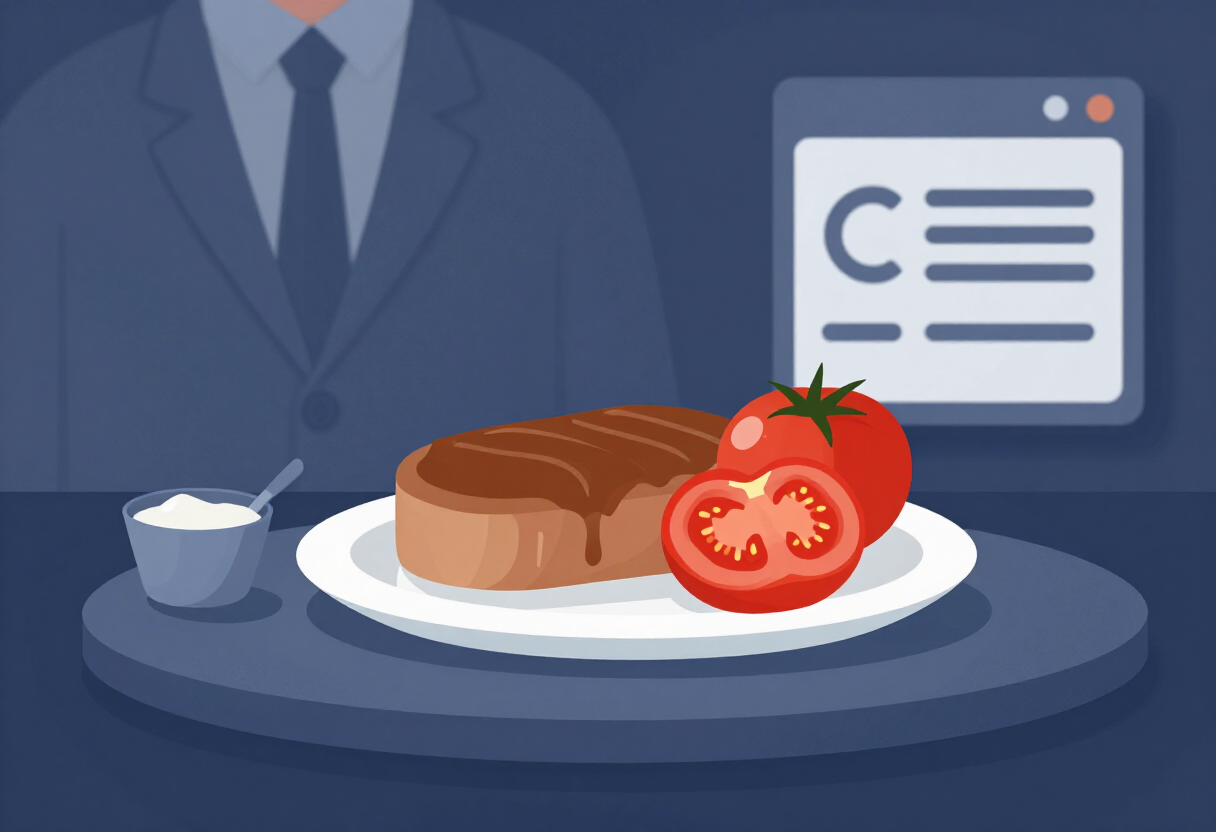
New Yorkers are paying noticeably more for steak, tomatoes and takeout, according to a new analysis from silive.com that traces the higher checks to costs building across the supply chain.
The report centers on New York state and city markets, where restaurant operators and grocery shoppers alike face elevated prices on three categories that anchor most menus: beef, fresh produce and prepared food for off-premise consumption.
Steak sits at the top of the price stack. Beef has been among the most persistent drivers of menu inflation across the country, and New York operators — who already carry some of the highest occupancy and labor costs in the industry — pass those commodity moves directly to the check. When wholesale beef rises, steakhouse operators must either reprice the core protein, shrink portion sizes, or push diners toward chicken and seafood through menu engineering.
Tomatoes tell a parallel story on the produce side. Fresh vegetables move through a distribution chain in which fuel, freight and labor costs compound at each step before produce reaches a New York kitchen. For operators, produce inflation hits cost of goods directly and offers fewer substitution options than proteins, since tomatoes function as both an ingredient and a topping across salads, sandwiches and pizzas.
Takeout rounds out the trio. Off-premise meals carry their own cost structure — packaging, third-party delivery commissions and additional labor for assembly — that did not exist at scale before delivery apps took hold. Each of those line items adds to the final price a New York customer pays for the same dish that once cost less when consumed on premises.
The silive.com report frames the three categories together because they share a common thread: none of the price increases stem from a single factor. Commodity costs, transportation, labor and regulatory costs specific to New York all layer into the final number on a receipt.
For restaurant operators, the mechanics matter more than the headline. When input costs rise across beef, produce and packaging simultaneously, the standard lever — raising menu prices on one category — stops working. Operators instead re-engineer menus, renegotiate with suppliers and adjust portioning to protect margins that inflation has already compressed.
New York's cost environment intensifies each of these pressures. The state's wage floors and occupancy costs mean that a commodity increase that a operator in a lower-cost market could absorb often flows straight to the menu in New York.
The analysis arrives as food inflation remains a live political and consumer issue, with diners scrutinizing checks more closely and operators balancing price increases against traffic risk. How long beef, produce and takeout prices stay elevated will depend on the same variables that pushed them up: commodity supply, freight costs and the labor market.
More from Rebecca Stone
Show full bio
Senior reporter covering media and advertising at The Pass Brief.
17 articles