Wichita BBQ Operator Raises Menu Prices as Beef Costs Climb
A Wichita barbecue restaurant has raised menu prices as beef costs climb, a repricing decision that highlights how cattle price inflation flows directly to barbecue operators' cost of goods.
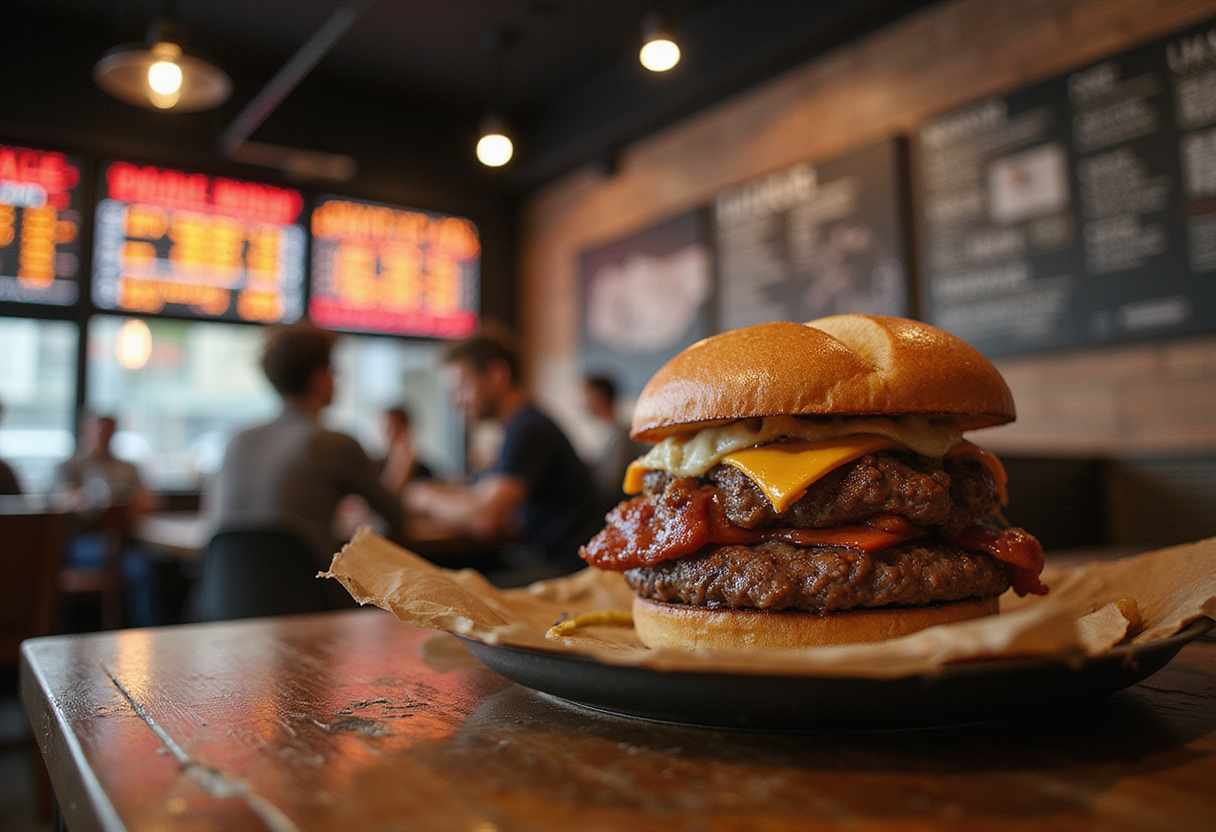
A barbecue restaurant in Wichita, Kansas, has raised menu prices in response to rising beef costs, according to KWCH — a move that puts one of the state's signature dining formats directly in the path of a sustained run-up in cattle prices.
Beef is the single largest cost input for a barbecue operation, and unlike many restaurant categories, barbecue operators cannot easily engineer it out of the menu. Brisket, ribs and pulled pork anchor the format. When wholesale beef climbs, the pressure lands almost entirely on cost of goods sold.
The Wichita operator's decision to raise prices rather than absorb the increase reflects the broader arithmetic facing meat-centric restaurants. With industry food costs typically running 28% to 35% of revenue, a sharp move in the category's core protein forces a choice: reprice the menu, cut portion weights, or accept margin compression. Menu repricing is the lever most operators pull first, because portion changes are highly visible to regular barbecue customers who track the product closely.
The pressure is not isolated to Kansas. Beef prices have been climbing industry-wide, driven by tight cattle supplies, and restaurant operators across the steakhouse, burger and barbecue segments have all faced the same input inflation. Barbecue carries a particular exposure because of its long cook times and low flexibility — a brisket smoked for 12-plus hours is committed inventory before a single plate is sold, leaving little room to adjust volume quickly when costs move.
Kansas sits at the center of the U.S. beef supply chain, home to some of the country's largest feeding and processing capacity. Local proximity to that infrastructure, however, does not insulate operators from national price discovery; wholesale beef prices are set on broader markets, and Wichita restaurants buy at the same rising levels as operators in Texas or Chicago.
For independent barbecue operators, the pricing decision carries competitive risk. Barbecue in Kansas is a crowded field with a strong value expectation among customers, and price increases can shift traffic to competitors who hold the line longer. That dynamic often pushes independents to raise prices in smaller, earlier increments rather than one large jump — accepting thinner margins in the near term to protect frequency.
The Wichita case is a concrete example of how commodity inflation moves from the cattle market to the menu board: wholesale price increases hit the operator's cost of goods first, then flow to menu prices once the operator determines it can no longer absorb them. How customers respond to the new pricing — whether traffic holds or shifts — will determine whether the increase fully recovers the margin, and other meat-focused operators in the region will be watching that result as they weigh pricing decisions of their own.
More from Marcus Bennett
Show full bio
Market editor covering media and advertising at The Pass Brief.
101 articles