Record Beef Prices Hit Restaurant P&Ls Where It Counts
Record wholesale beef prices are reshaping restaurant economics, with operators turning to menu engineering, portion discipline, and slower price increases to defend margins.
Record beef prices hit restaurant P&Ls where it counts
Record wholesale beef prices are biting restaurant operators right where they feel it most — the food cost line.
Restaurant Business Magazine flagged the squeeze this week under the headline "Record beef prices take a bite out of restaurants." The framing is literal. Beef is the line item that won't behave.
The hard fact: beef prices sit at record highs. Operators built their concepts around this ingredient. That's the structural problem.
What does this change for operators?
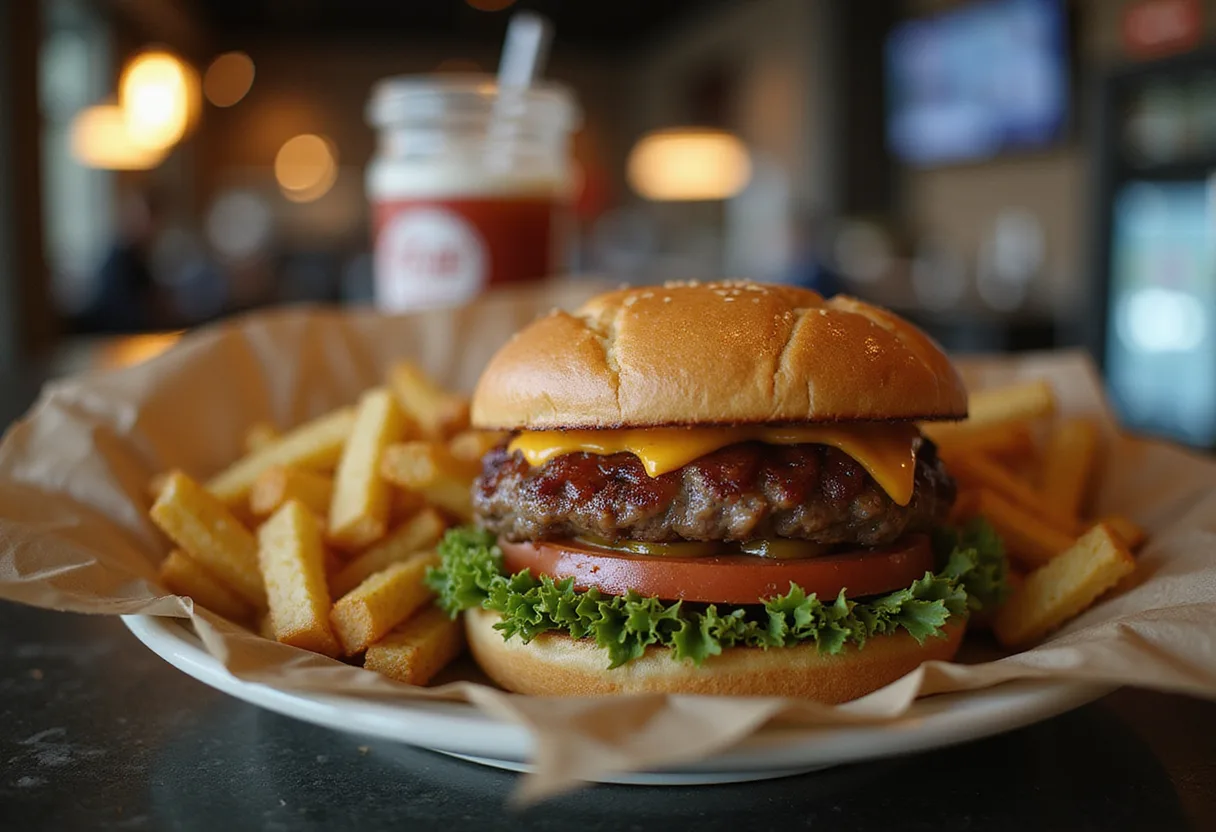
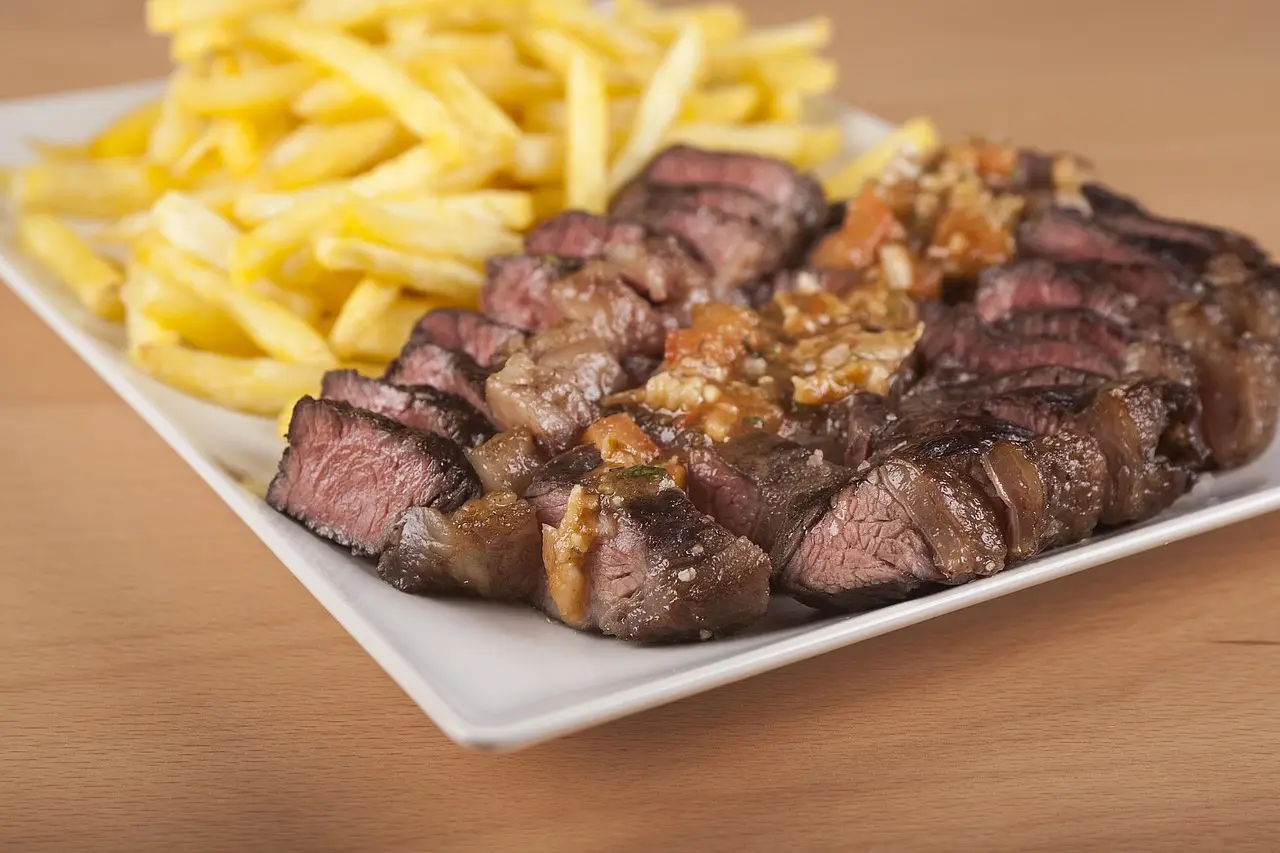
The answer starts at the plate. Picture the steakhouse built on ribeye. Or the burger chain running a beef combo. Both feel the same shock when wholesale beef moves.
Wholesale beef moves. Food cost moves. Contribution margin moves. Operators don't get the luxury of waiting it out. Three responses typically follow.
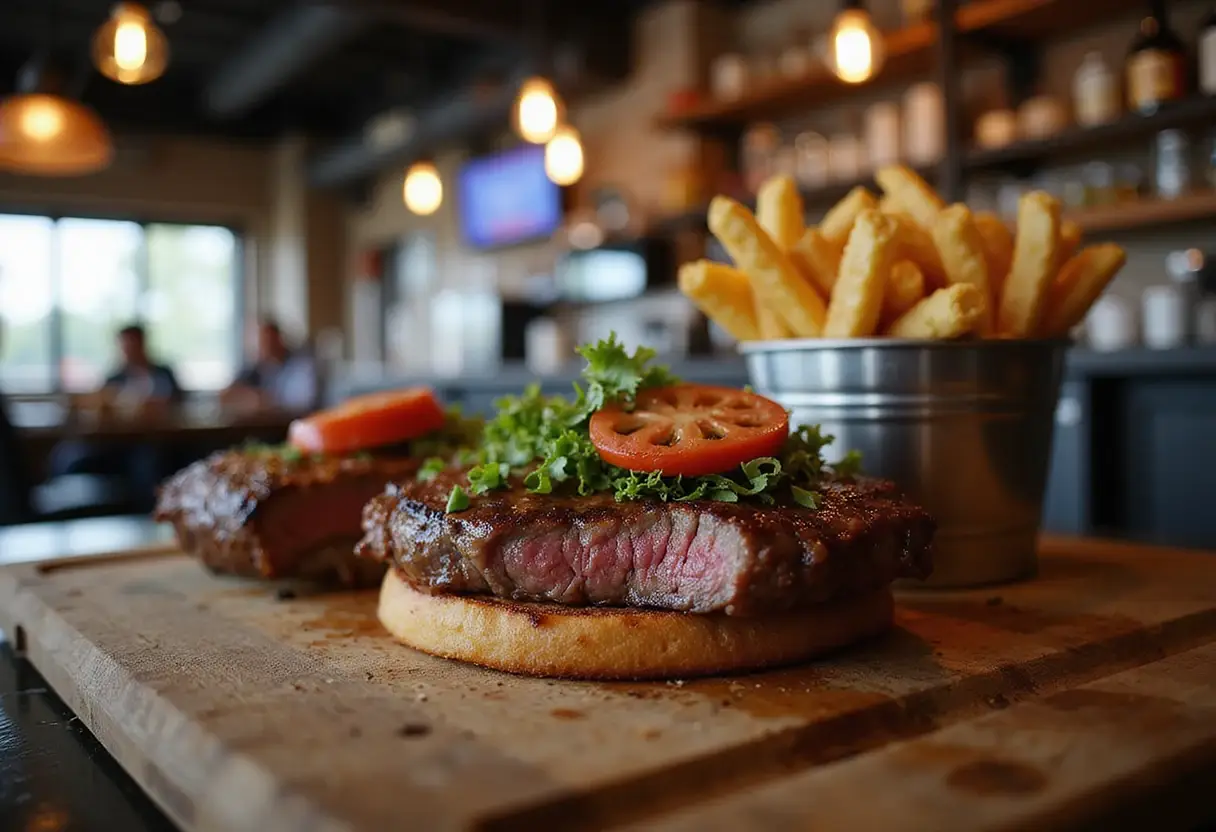
Menu engineering comes first. Higher-margin cuts migrate up the menu. Short rib replaces ribeye in some specials. Chuck eye gets its featured moment. Prime cuts stay, but the trim shifts around them.
The guest sees a refreshed menu. The operator sees a food-cost defense. Both can leave happy.
Portion control follows. The same mid-tier plate now carries a smaller cut. The guest sees the same number on the menu. The operator sees lower cost per plate.
It's the quietest move on the menu. And the most common.
Pricing is last, and slowest. Menu prices take weeks to print, laminate, and ship. Until the new menu hits the table, the operator absorbs the gap between commodity cost and the listed price.
That window — between the wholesale spike and the menu reprint — is where restaurants bleed cash.
Concepts with contracted beef pricing or frozen inventory positions bleed less. Everyone else pays retail. And retail is the record.
What does the menu engineer do next?
The trend is older than the headline. Beef-dependent concepts built their identity on a single ingredient. The steakhouse is the obvious example, but the burger chain, the BBQ joint, the taqueria — all run a beef-heavy food cost line.
When that ingredient runs hot, the identity becomes a vulnerability. Operators now choose between protecting the concept and protecting the margin. They rarely pick one cleanly.
The practical move is unglamorous. Menu trim. Portion discipline. Slower price increases than the commodity warrants. Hold the guest's check average steady. Engineer the plate underneath, in private.
The operators who win this cycle do it quietly. The ones who lose it do it loudly.
How long does this last?
The forward question isn't whether beef stays expensive. The cattle cycle doesn't unwind in a quarter. Wholesale beef follows a herd that takes years to rebuild.
Operators should treat elevated beef costs as the operating environment, not a temporary headline. The question that matters now is simpler. Who eats the difference — operator or guest — and for how long.
That's the math every beef-dependent operator runs right now. One menu reprint at a time.
More from Daniel Okafor
Show full bio
Correspondent covering companies, deals and strategy in Restaurant and hotel operations at The Pass Brief.
452 articles