After European Supermarket Fridge Hacks, Korea Urges Cold Chain Security Checks
Seoul's Science Ministry convened cold chain CISOs on the 11th after hackers spiked European supermarket fridge temperatures, urging urgent patching and basic security compliance.
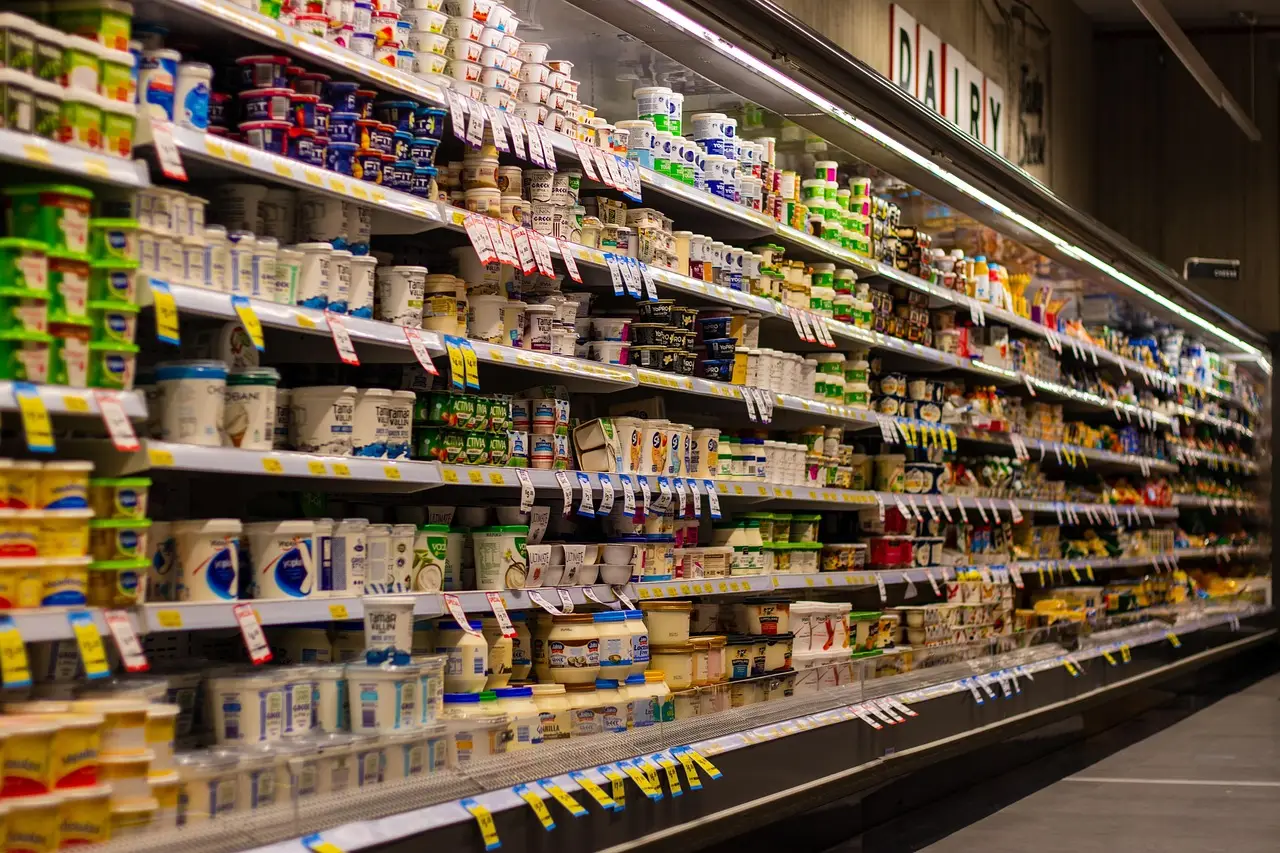
Cyberattacks that sent temperatures soaring in supermarket refrigerators across Europe have prompted the South Korean government to order an emergency security review of its own cold chain, with the Ministry of Science and ICT convening chief information security officers from major manufacturers and distributors on the 11th.
The meeting brought together CISOs from companies that run the country's low-temperature distribution networks — the fridge and freezer systems that keep food retail moving. The trigger was the European incident, in which hackers seized control of refrigeration control systems and pushed storage temperatures up, raising public anxiety about whether the same could happen closer to home.
What does the government actually want operators to do?
The ministry laid out a set of first-response measures rather than new regulation:
- Emergency security guidelines issued separately for equipment manufacturers and for the businesses that operate the systems
- Standardized security rulebooks, produced and distributed across the sector
- A consultation and guidance call center run through KISA, the Korea Internet & Security Agency
Beyond the immediate steps, the session examined how cold chain companies actually deploy their equipment day to day. Officials checked whether manufacturers have a working system for pushing out security notices and sharing incident cases, how vulnerability inspections and patching are progressing, and what security measures each individual company has already put in place.
The uncomfortable finding: basic hygiene, not sophisticated hacking
The sharpest detail came from Choi Woo-hyuk, head of the ministry's information protection network policy bureau, who drew a direct lesson from the European breach.
"The common thread in the European cold chain hacking incidents was not advanced hacking techniques — it stemmed from failure to follow basic security rules," Choi said. "Our companies also urgently need basic security preparations: compliance with security guidelines, review of management systems, checking security notices, and timely patching of vulnerabilities."
That framing matters for operators. The European attackers didn't need exotic exploits. They found doors left open — unpatched systems, missed advisories, lax management routines. The Korean government's message is that the fix is unglamorous: patch on schedule, read the vendor's security bulletins, audit who has access to the controls.
For food retailers and distributors, refrigeration is not an IT afterthought. A compromised freezer doesn't just leak data — it destroys inventory, interrupts supply, and lands in front of customers as spoiled product. The temperature spike in European supermarkets made that operational risk visible in the most literal way possible.
What happens next
The ministry's review continues through the operators themselves. Companies in the cold chain are expected to run their own vulnerability checks against the newly distributed security rules, with KISA's call center available for guidance as gaps surface. The government's stated aim is to strengthen sector-wide readiness before a domestic incident, not after one — and the pace of patching over the coming weeks will show how many operators were, like their European counterparts, skipping the basics.
More from Daniel Okafor
Show full bio
Correspondent covering companies, deals and strategy in Restaurant and hotel operations at The Pass Brief.
694 articles