France Blames IRGC Cyber Unit for Hacks on 700 Supermarket Refrigeration Systems
France blames Iran's IRGC for October hacks that hit refrigeration at 700 stores, costing tens of millions of euros, and vows sanctions and all means of response.
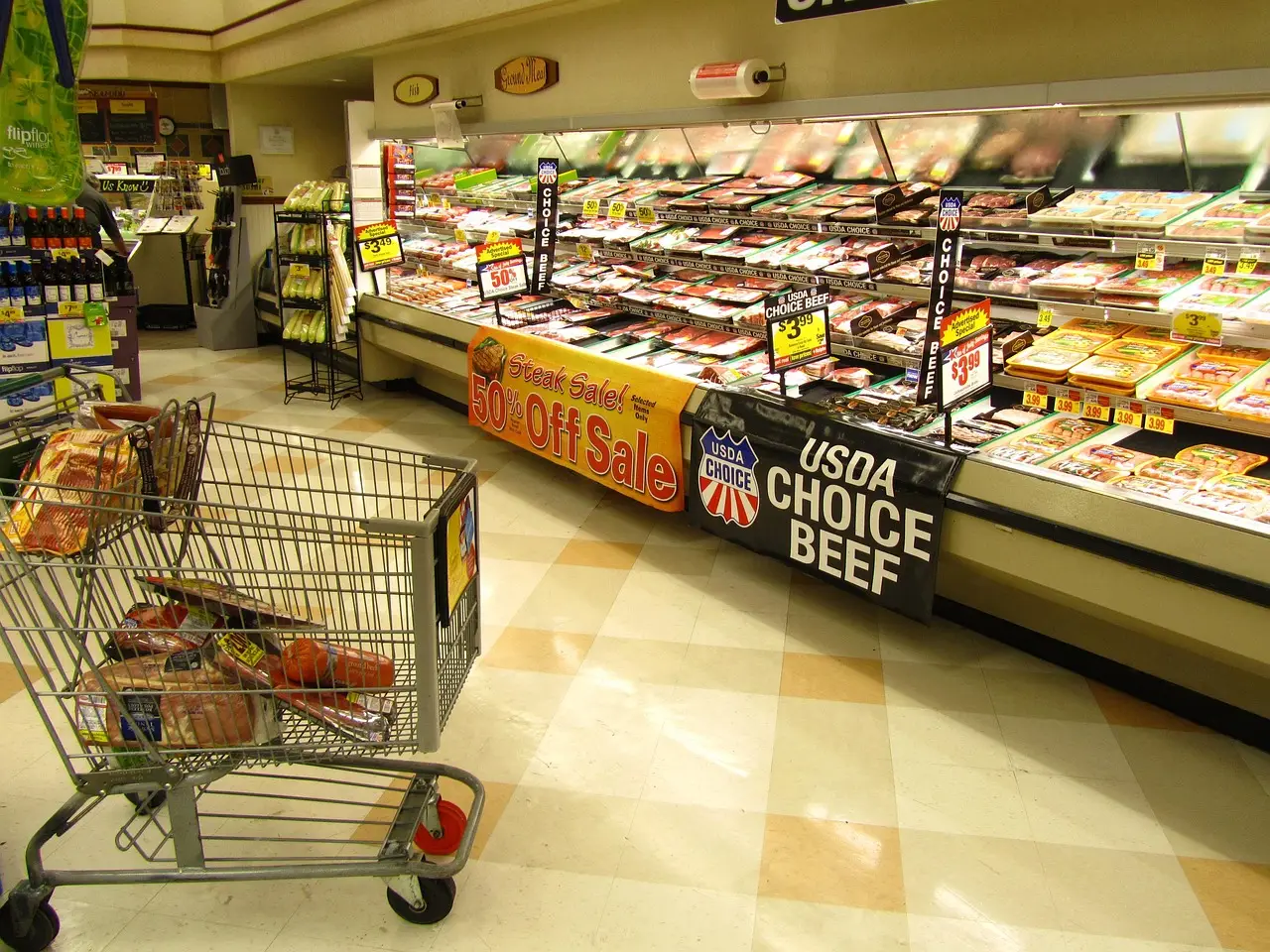
France has put a number on the damage: cyberattacks on the refrigeration systems of 700 retail stores caused losses estimated at "tens of millions of euros" through fires and spoiled food. The country's foreign ministry blames Shahid Kaveh, a cyber unit tied to the Electronic Warfare and Cyber Defence Organization of the Islamic Revolutionary Guard Corps, for the October campaign.
The Ministry for Europe and Foreign Affairs announced on 9 November that it will summon Iran's ambassador over the incident. Major French grocery groups — Coopérative U, E. Leclerc and Groupement Mousquetaires — confirmed last month that attackers had struck their refrigeration systems.
How big is the damage?
The ministry's statement quantifies the harm directly. It cites fires and ruined inventory across 700 stores, with material damage running to tens of millions of euros. That figure covers one month and one attack vector. It does not account for downtime, lost trade or remediation costs, none of which the ministry disclosed.
France described the campaign in unusually sharp language. The ministry called it "unprecedented in its scale and level of aggressiveness and has been the first offensive cyber campaign carried out purely for the purposes of sabotage on French soil." The statement added that the incidents violated international law.
Who does France hold responsible?
Foreign Minister Jean-Noel Barrot named the perpetrator directly on X. "Thanks to the work of government agencies, we know who is responsible: the Islamic Revolutionary Guard Corps of the Islamic Republic of Iran," he wrote.
His statement carried a concrete threat. "Iran's ambassador has been summoned. We will sanction those responsible and take all measures we deem necessary and proportionate to respond to these attacks and deter anyone who might consider carrying out similar ones."
The ministry framed its options within existing policy. "In accordance with its 2026 National Cybersecurity Strategy, France is determined to make use of all the means of response at its disposal, including within the European Union and alongside its European and international partners in order to anticipate, prevent, deter and respond to destabilising and destructive actions against it in cyber space," the statement read. Further sanctions on Iran are under consideration in consultation with France's European neighbours. No sanction package has been named yet.
What do prosecutors know about the attack method?
The Paris Prosecutors Office — Parquet de Paris — plans to open an investigation targeting IRGC leaders, according to Politico. The office detailed the technical mechanism of the sabotage.
"The attackers took remote control of the equipment via web interfaces to trigger abnormal defrost cycles of unlimited duration, while disabling the security alerts on the sensors that were supposed to activate once a certain temperature was exceeded," the office was quoted as saying.
That detail matters for operators. The attackers did not need to breach payment systems or customer data. They entered through ordinary web interfaces connected to refrigeration equipment, then switched off the temperature alarms designed to catch exactly this failure mode. The attack weaponized routine remote maintenance access.
Is this the first such attack on France?
No. The foreign ministry said the supermarket hacks were not Iran's first operation against the country. It pointed to an attack on the Charlie Hebdo publication in 2023 and another targeting the Paris Olympic and Paralympic Games in 2024. The European Union responded to those earlier incidents with sanctions on the Iranian cybersecurity firm Emennet Pasargad.
The October campaign also did not stay inside France. A similar wave struck retailers across Europe last week, hitting targets in Sweden, Belgium and Luxembourg. Affected grocers included Carrefour, Colruyt Group, Delhaize and Coop.
What should retailers take from this?
Michael Ferdinandsen, CEO of Danish industrial cybersecurity company Secomea, argued the attacks expose a gap in remote access controls rather than a novel threat.
"For retailers, the question isn't whether they need remote connectivity. They absolutely do. The question is whether they have sufficient control over who can access their equipment, what they can reach, and what they're allowed to do," Ferdinandsen said.
His framing shifts the debate from prevention to permission management. Refrigeration units, like other operational equipment, require remote servicing. The Paris prosecutors' account shows those web interfaces became the entry point once sensor alerts were disabled. Grocers now face a continent-wide pattern, a named state sponsor, and a French government promising proportionate retaliation — with sanctions likely to follow once France settles the measure with its EU partners.
More from Marcus Bennett
Show full bio
Market editor covering technology and product news in Restaurant and hotel operations at The Pass Brief.
712 articles