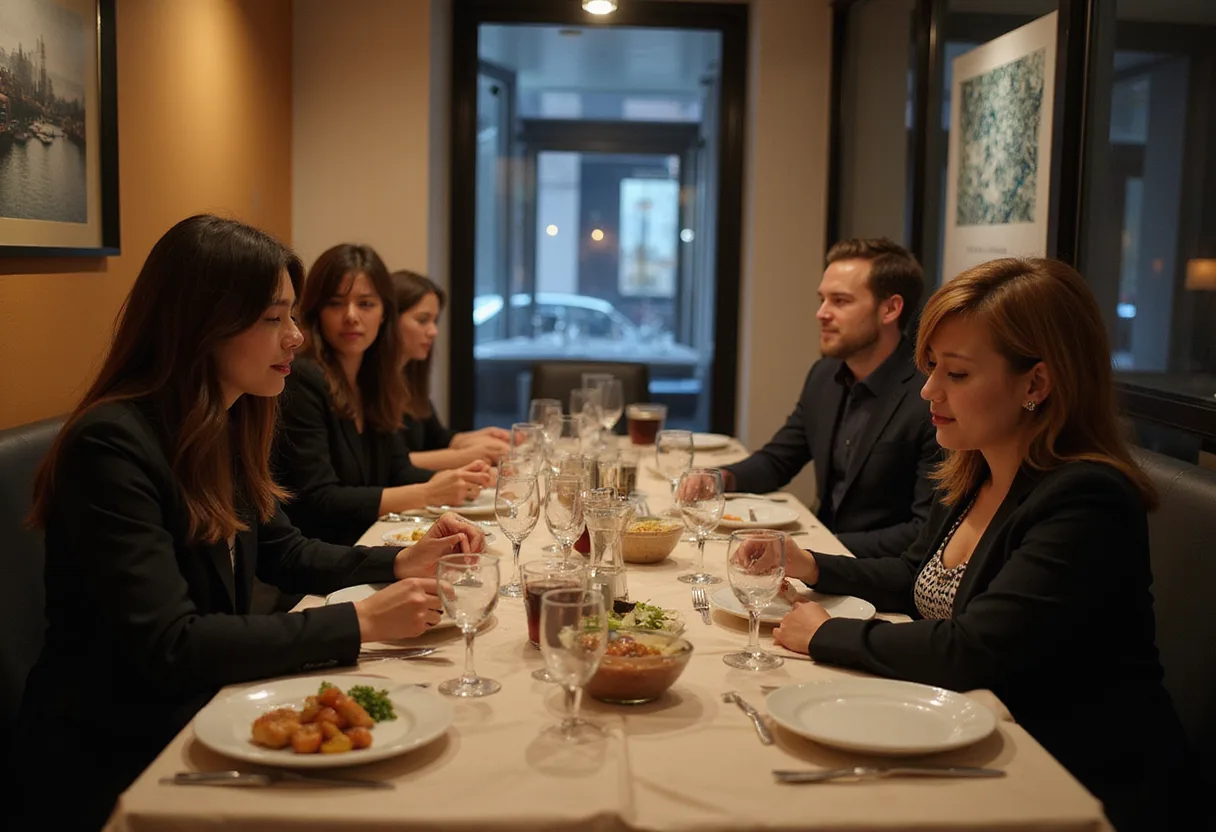
65% of UK Diners Plan to Eat Out as Much or More in 2027
OpenTable's 2027 Dining Trends Report finds 65% of UK diners plan to eat out as often or more, averaging five visits monthly, while group bookings jump 18% and Nottingham leads growth at 87%.
Sixty-five percent of British consumers expect to eat out as often or more frequently in 2027, according to OpenTable's 2027 Dining Trends Report, and the average diner now plans five restaurant visits a month. Among Gen Z consumers, that figure rises to nine.
The survey arrives after a year of measured growth on the platform. Bookings at UK restaurants using OpenTable rose 10% year-on-year in 2026. Reservations for groups of six or more climbed 18%. Solo dining bookings increased 23%. The report does not say how many diners were surveyed, a gap worth noting before treating the projections as settled demand.
What is driving the visits?
OpenTable identifies what it calls "micro-occasions" — smaller personal milestones rather than major celebrations — as the central shift. Diners cited three main reasons for these everyday visits:
- Reuniting with friends or family: 30%
- Treating themselves without a particular occasion: 25%
- Celebrating good news: 20%
More than two thirds of respondents, 68%, expect to celebrate these everyday moments at restaurants as often or more frequently in 2027.
Sasha Shaker, senior director at OpenTable UK and Ireland, said: "The UK's appetite for dining out shows no signs of slowing down, but what diners want from restaurants is evolving for 2027. Whether it's treating themselves after a small win, enjoying a meal before a gig or returning to a familiar favourite, diners are looking for experiences that feel worthwhile."
Shaker added: "For restaurants, it's not just about attracting diners through the door, but creating the kind of experience that keeps them coming back."
Where group and experiential demand is heading
Group dining represents the clearest operational opportunity. Some 32% of consumers want more group and private dining options next year. A majority, 64%, prefer eating out with a group over dining alone. Notably for operators weighing technology spend, 61% said a straightforward online booking process would make them more likely to reserve group or private dining — a signal that friction in reservation systems, not demand, may be the binding constraint.
Experiential formats are growing on the platform itself. OpenTable recorded a 37% year-on-year increase in experience dining, alongside a 24% rise in the number of restaurants offering such experiences. Consumer appetite appears to back the expansion: three in 10 said concerts, sporting events and other live experiences would encourage more frequent restaurant visits, while 27% want more special menus, chef collaborations and ticketed events.
Value remains the constraint
The optimistic frequency figures sit against a hard pricing reality. Price and value for money rated as extremely or very important to 78% of consumers when choosing a restaurant — the highest attitudinal number in the report. More than half, 53%, want more happy hours and value promotions in 2027, and 29% plan to lean on loyalty schemes, rewards and member offers to stretch dining budgets.
For operators, that combination — more visits demanded at lower tolerance for price — points toward menu engineering and discount architecture rather than premium positioning. OpenTable does not break out what share of the projected visits would depend on promotions, which limits how far the demand forecast can be trusted at full price.
Regularity as a competitive asset
Familiarity is emerging as a measurable advantage. Some 21% of British diners want to establish themselves as regulars at a restaurant in 2027, rising to 36% among Gen Z. Convenience led the motivations at 26%, followed by supporting local businesses at 23% and receiving additional perks at 22%. Repeat traffic costs less to acquire than new covers, so a regulars strategy carries direct margin logic.
Demand is spreading beyond London
The strongest booking growth on the platform came from cities outside the capital. Nottingham led with bookings up 87% year-on-year. Sheffield followed at 60%. Edinburgh and Aberdeen each recorded 22% growth, Coventry and Oxford 19%, Inverness and Liverpool 18%, Bristol 15% and Glasgow 14%.
Patience is shrinking — but scarcity still sells
Diners are less willing to queue. The average time consumers said they would tolerate waiting fell from 29 minutes in 2025 to 22 minutes in 2026, and 67% said they would pick another restaurant rather than wait in line.
Yet exclusivity retains pull in apparent contradiction: 62% said they had grown more interested in a restaurant because its reservations were difficult to secure. Operators must weigh throughput against the marketing value of scarcity — the report does not resolve which strategy wins on revenue.
OpenTable's own conclusion frames the operator task for 2027: balance accessibility and value against distinctive experiences, efficient booking systems and durable relationships with regulars. The booking data supports the trend; the projections, as ever, depend on household budgets holding up.
More from Marcus Bennett
Show full bio
Market editor covering technology and product news in Restaurant and hotel operations at The Pass Brief.
640 articles