NSW Claims Australia's Biggest Food Tourism Economy: $12.2 Billion
NSW drew $12 billion from food-motivated travel in 2025: 5.1 million domestic visitors spent $5.6 billion, while 1.2 million international culinary visitors spent $6.6 billion, up 21 percent.
New South Wales pulled more than $12 billion from food-motivated travel in 2025, according to Tourism Research Australia, making it the country's largest culinary tourism economy. The number matters for operators because it prices a demand segment that behaves differently from ordinary dining traffic.
The state recorded 5.1 million domestic overnight food tourism visitors in 2025, spending $5.6 billion. International culinary visitors added 1.2 million arrivals, up 5.7 percent year-on-year, with spending of $6.6 billion — a 21 percent increase. The spend growth outpacing the headcount growth is the notable part. Visitors are not just arriving in greater numbers; they are paying materially more per trip.
What Are These Visitors Actually Buying?
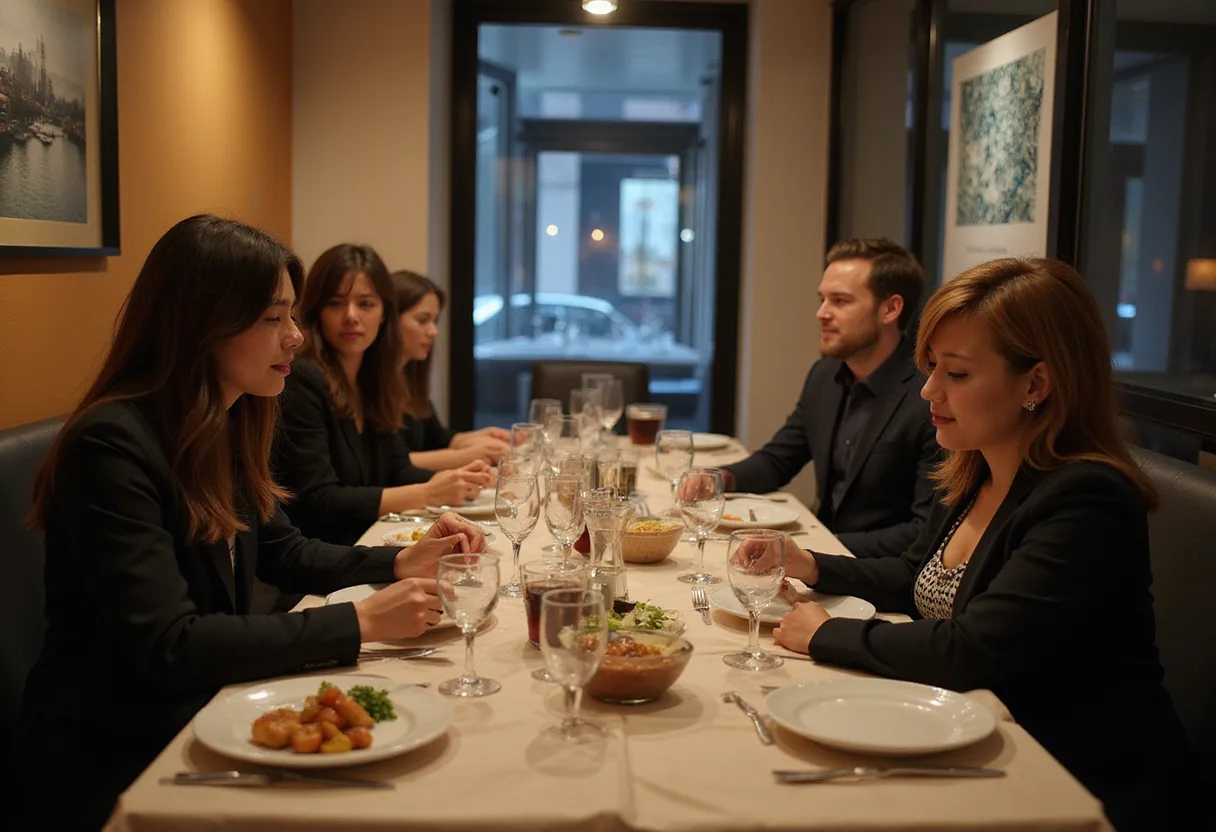
The activity mix diverges sharply by market. For domestic visitors in NSW in 2025:
- Fine dining led at 56 percent
- Food markets followed at 43 percent
International visitors inverted that order:
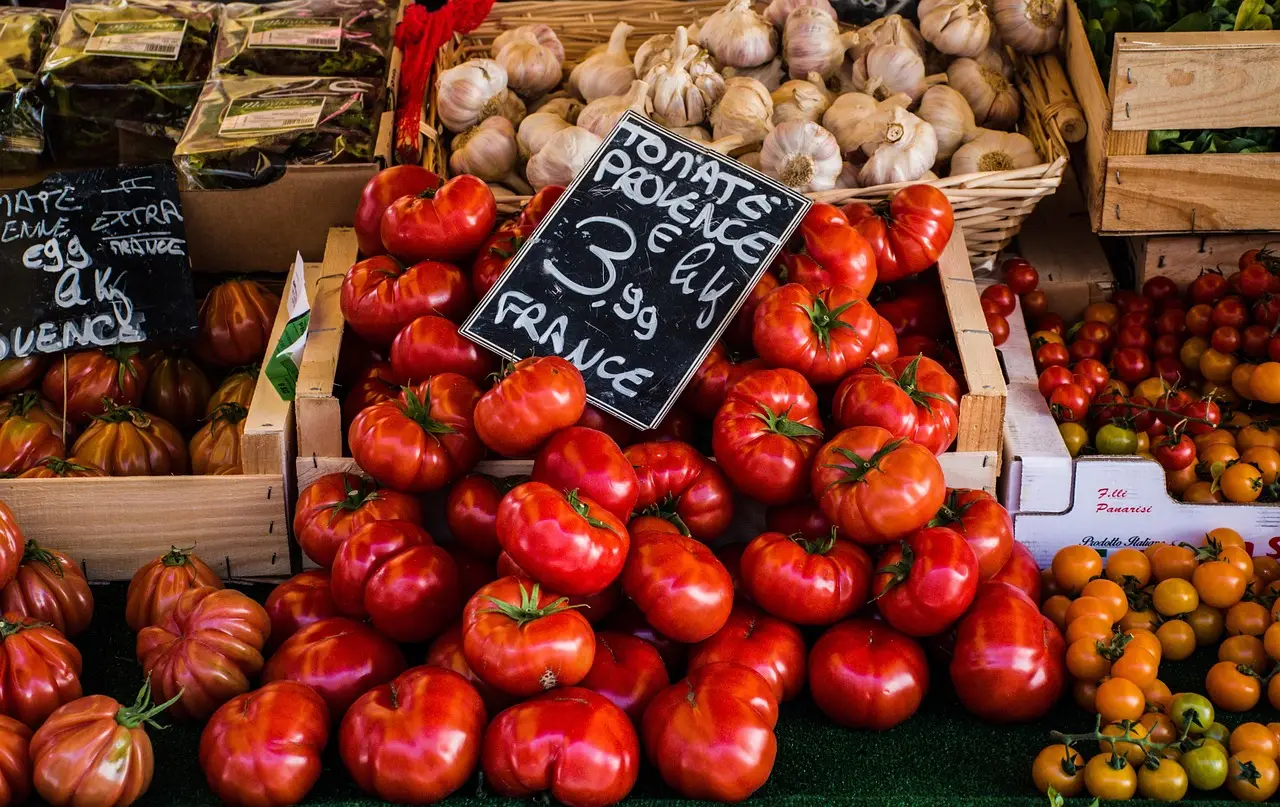
- Local food markets led at 62 percent
- Fine dining followed at 53 percent
The split carries menu-engineering implications. Domestic demand skews toward the premium end of the market, where check averages and margin capture concentrate. International demand skews toward markets and street-level produce experiences, which favor volume, regional sourcing and lower labor intensity. An operator in Sydney's fine-dining segment and a regional market stall are effectively serving two different economies inside the same $12 billion pot.
Who Is Behind the Push?
Destination NSW (the state's tourism promotion agency) is running the development side. CEO Karen Jones said culinary tourism is now one of the most powerful forces shaping travel decisions.
"Visitors are hungry for more than a good meal, they're seeking authenticity. They want to eat where the locals eat, discover regional specialties and participate in cultural storytelling through cuisine," Jones said.
She added that Destination NSW is supporting businesses with training and exposure to keep NSW Australia's number one destination for food experiences. Translation for operators: the state agency is funding capability-building, not just advertising, and regional producers stand to gain distribution and visibility from that pipeline.
Minister for Jobs and Tourism Steve Kamper framed the result bluntly: NSW is a place to come if you want to eat well, and visitors from Australia and around the world are hungry for what the state offers.
Is Food Now the Trip, Not the Side Trip?
The findings track with a broader shift documented in Tripadvisor's Future Foodist report, which identified food as an increasingly important travel motivator. Travelers increasingly build entire holidays around culinary experiences rather than simply eating while away.
That distinction is not semantic. A traveler who books around a meal plans earlier, spends more per experience and tolerates higher price points than one who dines opportunistically. For NSW operators, the 21 percent jump in international food-tourism spend suggests the state is capturing exactly that traveler.
The forward question is retention. If Destination NSW sustains its training and exposure programs, and regional supply chains hold, the state's lead over rival culinary destinations looks defensible through 2026.
More from Rebecca Stone
Show full bio
Senior reporter covering technology and product news in Restaurant and hotel operations at The Pass Brief.
499 articles