Fine Dining Drops the Formality as Experiential Bookings Jump 27%
64% of full-service diners now value the experience over price, and experiential bookings are up 27% — premium operators are responding by retooling service and sourcing.
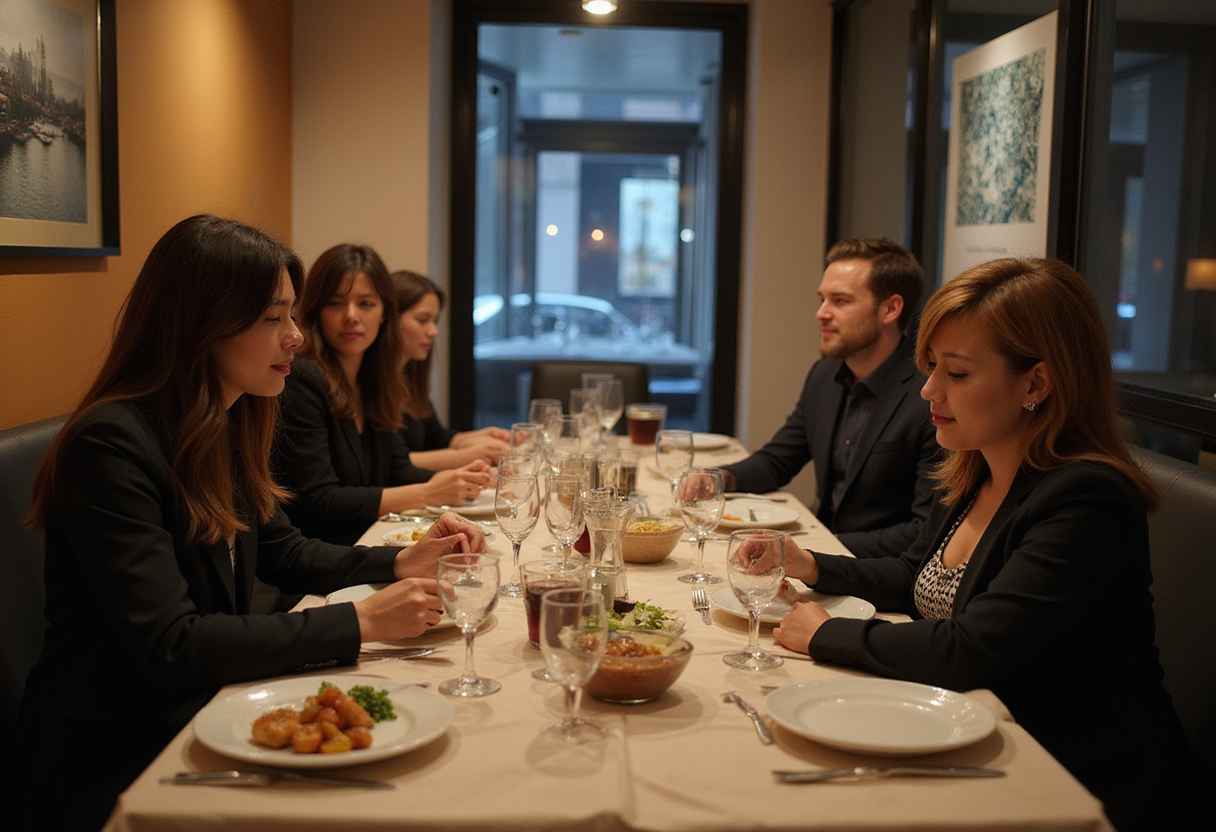
Sixty-four percent of full-service restaurant customers now say the dining experience matters more than the price of the meal, according to the National Restaurant Association's 2025 State of the Restaurant Industry Report. That single data point explains why premium restaurants are dismantling the formal architecture of fine dining and rebuilding their value proposition around atmosphere, personal service, storytelling and a sense of place.
OpenTable's 2025 Dining Trends research points the same direction: a 27% increase in experiential dining bookings. Guests are allocating time and money to occasions and memorable experiences rather than simple meals out.
For operators at the premium end, the shift is not a lowering of standards but a repricing of what the guest is actually buying. Exceptional food remains the entry ticket. The margin of differentiation is moving to everything around it.
Personal recognition replaces ritual
The trend is visible internationally. Noma in Copenhagen has built its proposition on storytelling and provenance. London's The Connaught has folded personalized hospitality into its luxury offer. South Africa's premium market is tracking the same course, with restaurants such as Farro, Post & Pepper and De Tafel at The Palms combining quality food with warmer, more individual service formats.
Chef Kerry Kilpin, executive chef at Steenberg Farm, says guests still expect exceptional food and service but increasingly want the experience to feel effortless.
"Luxury today is less about formality and more about feeling genuinely welcomed, comfortable and cared for," she says.
That reframing puts labor back at the center of the premium product. The human interaction between server and guest — recognition, attentiveness, genuine connection — now determines whether an expensive check is remembered as a transaction or an occasion. For operators, hospitality becomes a competitive differentiator that sits outside the menu itself and cannot be engineered away.
"People don't want to feel like just another table in the restaurant," says Kilpin. "They want to feel acknowledged. They want connection."
Provenance as product
Storytelling is the second lever, and it converts sourcing from a cost line into part of the sellable product. As consumers show growing interest in provenance, sustainability and the people behind their food, restaurants can market ingredients and suppliers as components of the guest experience.
Steenberg Farm's Tryn restaurant offers a working model. The restaurant is named after Catharina Ras, the farm's founder, known affectionately as Tryn — tying the meal to the heritage of one of South Africa's oldest registered farms. Tryn also partners with ABALOBI to source fully traceable seafood from local small-scale fishers, letting diners follow their catch from ocean to plate and meet the people behind it.
Traceable sourcing carries costs. But it also carries pricing power: provenance becomes part of what the guest is paying for, not just a sustainability message on the menu.
"Stories help people connect emotionally," says Kilpin. "People remember stories. They remember the people behind them, and that creates a much deeper experience than simply serving a meal."
The real estate counts
The experience economy is also extending beyond the table itself. Destination restaurants increasingly compete on their surroundings — architecture, views, heritage and atmosphere all feed the proposition. At Steenberg, vineyards, mountain views, historic buildings and multiple dining formats form part of the broader guest journey.
That matters most for occasion-led dining, where customers are not purchasing a meal but budgeting an experience to celebrate, reconnect or spend time with family and friends.
"People are looking for opportunities to slow down and spend meaningful time together," says Kilpin. "Good food and wine are important, but what many guests are really seeking is connection."
What changes for operators
The shift does not signal the end of fine dining. It signals a broader definition of premium. Food, wine and technical excellence remain core requirements, but they now must sit inside an experience that feels authentic, personal and relevant to the guest.
"The future of premium dining isn't about making things more complicated," says Kilpin. "It's about creating meaningful moments that people genuinely enjoy and remember."
The operational implication is that the entire customer journey — from the welcome and the setting to the story behind the ingredients and the final interaction at the table — now carries the value. In an experience-led market, luxury will be measured less by how formal a restaurant feels and more by how successfully it makes a guest feel valued.
More from Olivia Hart
Show full bio
Staff writer covering marketplaces and e-commerce at The Pass Brief.
63 articles