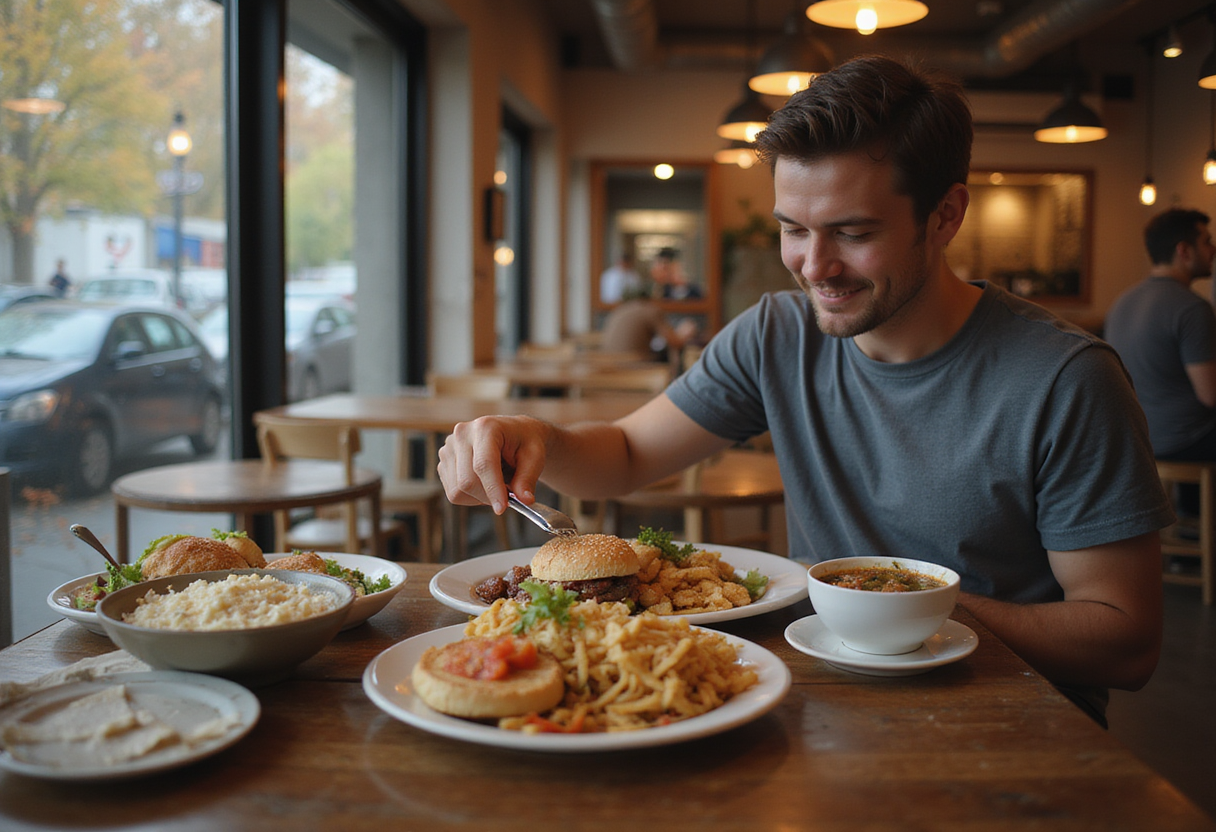
Seattle Times Examines Diner Habits as Restaurant Prices Climb
The Seattle Times published "Rising restaurant prices put diners' habits under new scrutiny," examining how sustained menu inflation is reshaping how often consumers dine out and what they order.
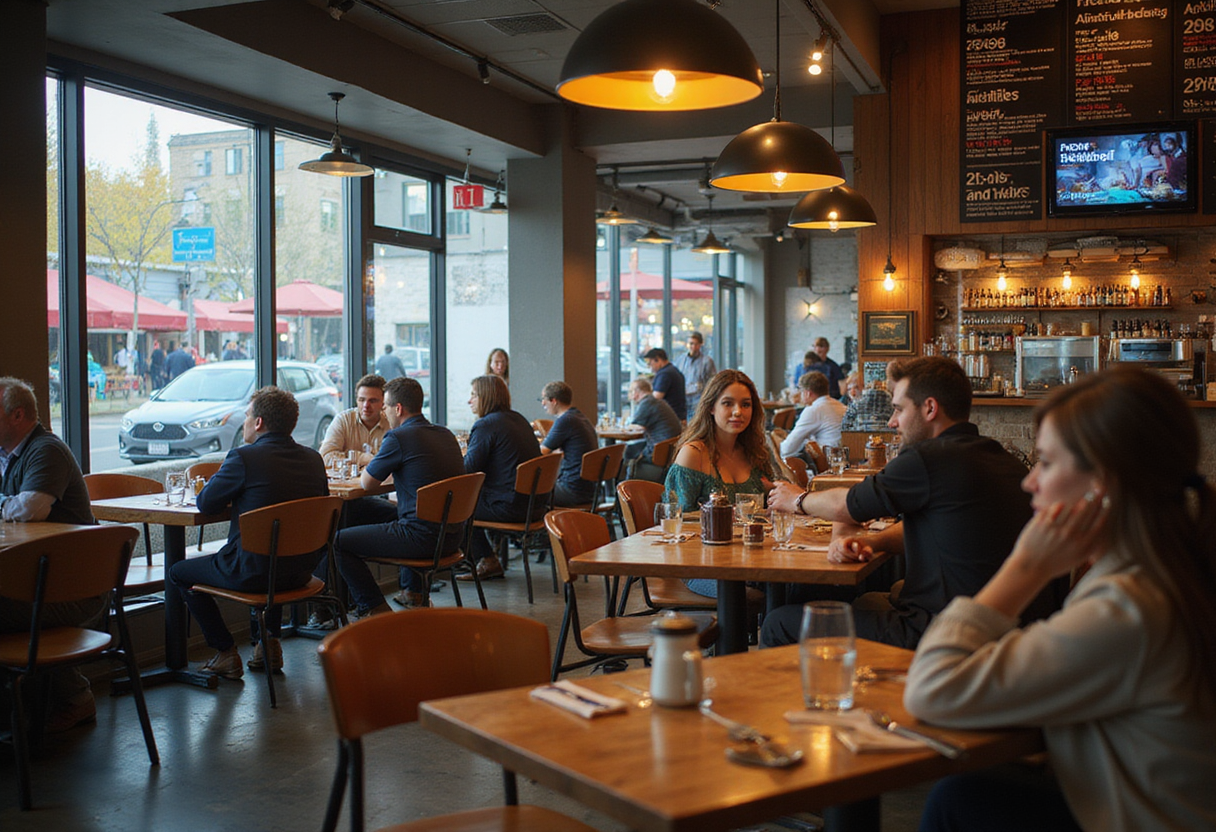
The Seattle Times published a report titled "Rising restaurant prices put diners' habits under new scrutiny," framing the cumulative impact of menu inflation on consumer behavior as the live operator question of the moment.
The headline pulls two threads together: continued restaurant price increases on one side, and the corresponding shift in how diners choose when, where, and what to order on the other. The reporting examines the second phenomenon, putting diner habit changes under the same operator lens that has been trained on menu prices for the past several years.
What does the framing signal?
Scrutiny of consumer behavior in this context typically points to three observable shifts: guests ordering fewer items per visit, guests substituting lower-priced items within the menu, and guests opting for off-premise or at-home alternatives more frequently. The Seattle Times piece treats these signals as the central data points of the moment, moving the trade-press conversation away from how high prices have climbed and onto what guests are now doing in response.
For operators, this is the more actionable half of the conversation. Menu prices sit inside a print cycle that runs months; diner behavior adjusts in weeks.
Why does the timing matter?
The piece lands while operators are closing books, resetting pricing strategies, and preparing forward-year guidance. A regional lens on diner habit shifts aligns with the national picture chains will carry into their next earnings cycle.
What changes for operators?
- Menu pricing leverage narrows at the margin. Concepts that built recovery on annual print increases will find the next increment hardest to absorb without a traffic response.
- Mix engineering carries more weight. Bundle construction, value item design, and limited-time offers move from promotion into structural tools.
- Daypart and occasion exposure get a re-rate. Concepts skewed toward high-check dinners have the most to manage; weekday and lunch occasions hold more pricing run room.
- First-party data wins the read. Concepts with clean loyalty and frequency reporting will publish the elasticity answer first; competitors reading aggregated measures will be weeks behind.
What's the next read?
The Pass Brief will track the Seattle Times coverage and parallel reporting through the next earnings cycle, watching how operators describe traffic composition, value-mix response, and pricing discipline for the year ahead. The first quarter that frames check count, average check, and frequency as a tied bundle will mark the moment the industry's pricing conversation crosses into its behavioral phase.
More from Elena Vasquez
Show full bio
News editor covering people, launches and day-to-day practice in Restaurant and hotel operations at The Pass Brief.
347 articles