Americans Hit 'Menu Price Fatigue' as Restaurant Checks Keep Climbing
Fox News reports Americans have hit "menu price fatigue," resisting further restaurant price hikes and pressuring operators to find margin elsewhere.
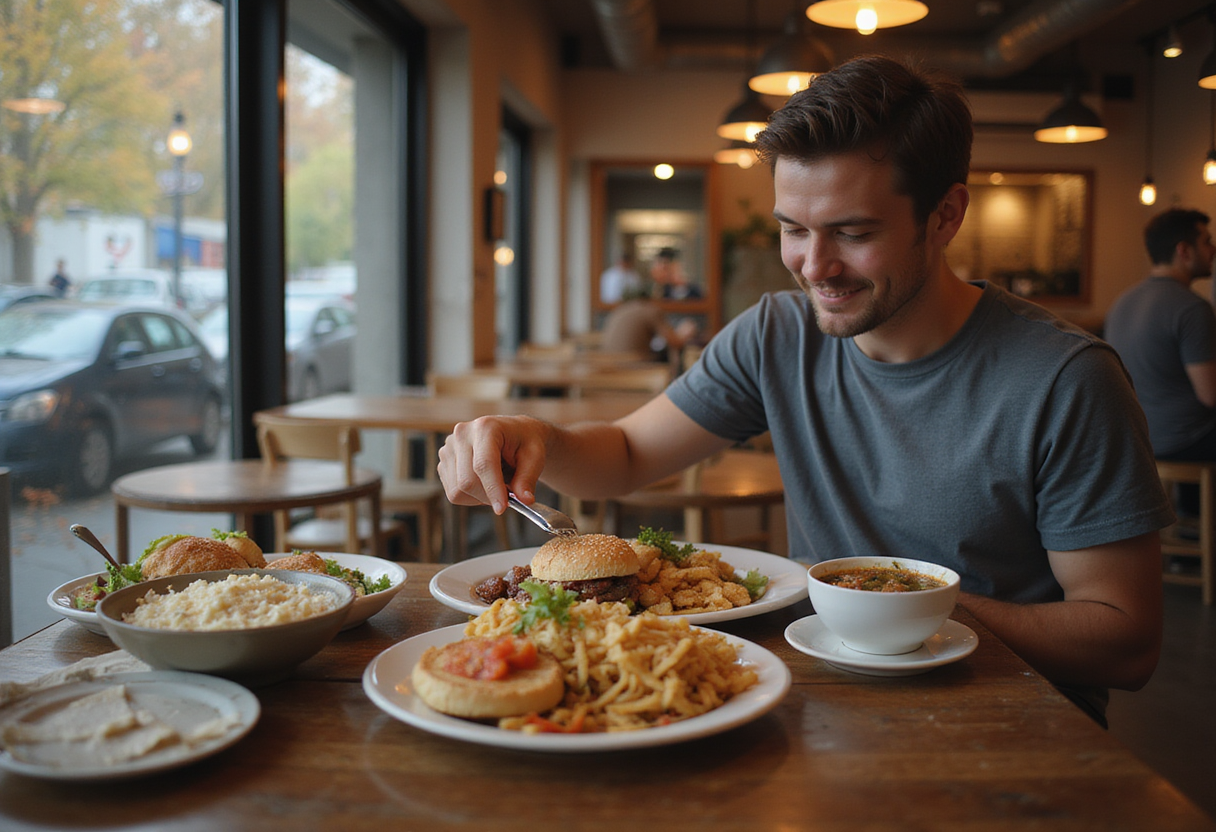
Fox News has flagged a phrase now circulating across the U.S. restaurant industry: "menu price fatigue." The term describes a growing reluctance among American consumers to keep absorbing successive rounds of menu price increases at restaurants nationwide.
The report lands at a moment when eating out has become measurably more expensive than it was before the pandemic, and when guests are increasingly vocal — on social media and in traffic data alike — about what a sandwich, a burger or a coffee now costs them.
What does this change for operators?
For restaurant chains and independents alike, the practical question is straightforward: how much more pricing power is left before guests trade down, trade out or stay home?
Menu price fatigue matters because it constrains the industry's most-used lever of the past several years. When food, packaging and wage costs rose, operators passed much of the increase to guests through repeated menu hikes. That strategy preserved margins while traffic held. The Fox report signals that willingness may be thinning.
Once guests resist further increases, operators have fewer options, and each carries a cost:
- Absorbing input costs, which compresses margins directly.
- Shrinking portion sizes, which risks visible guest backlash.
- Menu engineering, reworking mixes toward higher-margin items rather than raising prices across the board.
- Value platforms, discount bundles and limited-time offers designed to rebuild traffic without resetting the base menu price.
A pricing ceiling, not a demand collapse
The framing in the report is fatigue, not rejection. Americans are still eating out; they are signaling that the pace of price increases has outrun their tolerance. That distinction matters for operators deciding between another across-the-board hike and a targeted value push.
It also matters for how chains message price. Guests who feel a menu has crept up too far tend to respond to visible value signals — bundled meals, loyalty pricing, entry-tier items — rather than to explanations about commodity or labor costs.
The strain is national rather than regional or segment-specific, according to the report, which puts the issue in front of every operator class: quick service, fast casual, casual dining and independents.
What comes next
How individual brands respond will show up in their traffic-versus-check mix over coming quarters: operators that keep leaning on price should expect softer visits, while those that rebuild perceived value are positioned to hold frequency even if average check flattens.
More from Elena Vasquez
Show full bio
News editor covering people, launches and day-to-day practice in Restaurant and hotel operations at The Pass Brief.
347 articles