Tyson Guides to Beef Loss of Up to $300M in Fiscal 2027
Tyson's beef segment lost $654m in fiscal 2026, more than double the prior year, and the company guides to a further loss of up to $300m as cattle supplies stay tight.
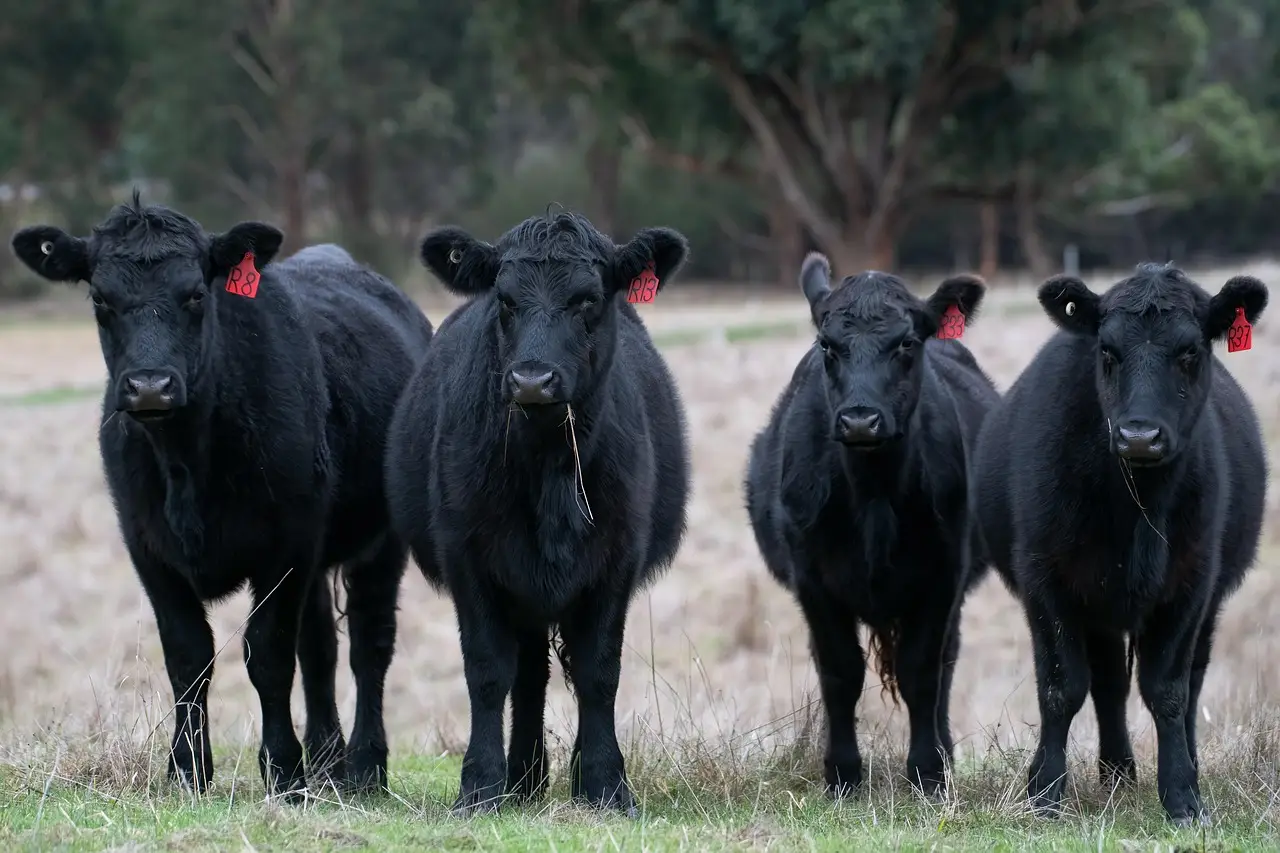
Tyson Foods' beef segment posted an adjusted operating loss of $654m in fiscal 2025/26, more than double the prior year's $275m loss, and the company has guided to another loss of up to $300m in the new fiscal year.
The Springdale, Arkansas-based meat giant reported fourth-quarter and full-year results on 16 November. Group sales for the year to 3 October rose 3.6% to $56.42bn. Strip out the extra week in the fiscal calendar, however, and growth falls to 1.1%. Sales also absorbed $358m in legal contingency accruals recognized as reductions to revenue.
The outlook is weaker. Tyson guided to a group sales decline of 3.5% to 5.5% for fiscal 2026/27, "primarily due to lower beef segment volumes resulting from our network restructuring and tight cattle supplies."
Beef volumes slid 10.6% in the year just closed. Chicken, pork, prepared foods and international all grew volumes. The divergence is structural, not cyclical: the US cattle herd cannot supply the slaughter capacity Tyson once operated.
How is Tyson shrinking its beef footprint?
The company has already moved. In August it put two beef plants on the chopping block: Joslin, Illinois and Eagle Mountain, Utah. It also committed to selling its Pasco, Washington site.
Production will concentrate at three plants: Dakota City, Nebraska; Holcomb, Kansas; and Amarillo, Texas. Earlier this month Tyson said it would fast-track a second production shift at the Texas operation after signing a cattle supply deal with Allied Beef, a move the company framed as strengthening its domestic supply chain.
Whether that deal materially offsets herd contraction remains unproven. Tyson did not disclose the volume commitments behind it.
What do the segment numbers show?
Group adjusted operating income fell 14% in fiscal 2026 to $1.98bn. Guidance for fiscal 2027 sits at $1.7bn to $2.15bn, with beef still a drag.
The other protein segments carry varying expectations:
- Chicken: $1.3bn to $1.6bn guided, down from $1.86bn reported
- Pork: $75m to $175m guided, versus $228m in 2026
- Prepared Foods: $1.25bn to $1.4bn guided, from $1.33bn
- International: $125m to $200m guided, against $180m
Every segment midpoint sits at or below the prior year. The diversification cushions the beef losses; it does not offset them.
Net income dipped 3.7% to $1.28bn. Adjusted EPS of $3.44 fell 17% year on year.
What did the new CEO say?
Jeff Schomburger, who succeeded Donnie King as president and CEO at the start of October, issued brief commentary alongside the results. He made no mention of beef.
"Our performance in fiscal 2026 reflects the strength of our diversified multi-protein model and our dedication to our customers and consumers," Schomburger said.
"We'll build on those strengths through investment in our brands, innovation and operating capabilities, while remaining focused on the returns those investments can deliver alongside market conditions."
The silence on beef is notable. The division generated the largest operating loss in the portfolio and drives the group sales decline for fiscal 2027. Restructuring costs and facility sales will shape when the cattle cycle turns in Tyson's favor — a timeline the company did not provide.
More from Marcus Bennett
Show full bio
Market editor covering technology and product news in Restaurant and hotel operations at The Pass Brief.
798 articles