Apple Crop to Fall 6% in 2026 — and Cider Waste Just Got Expensive
A 10.4-billion-pound U.S. apple forecast, Virginia's smallest crop in 50 years, and a one-week shelf life mean kitchens and cideries can't afford to dump a jug.
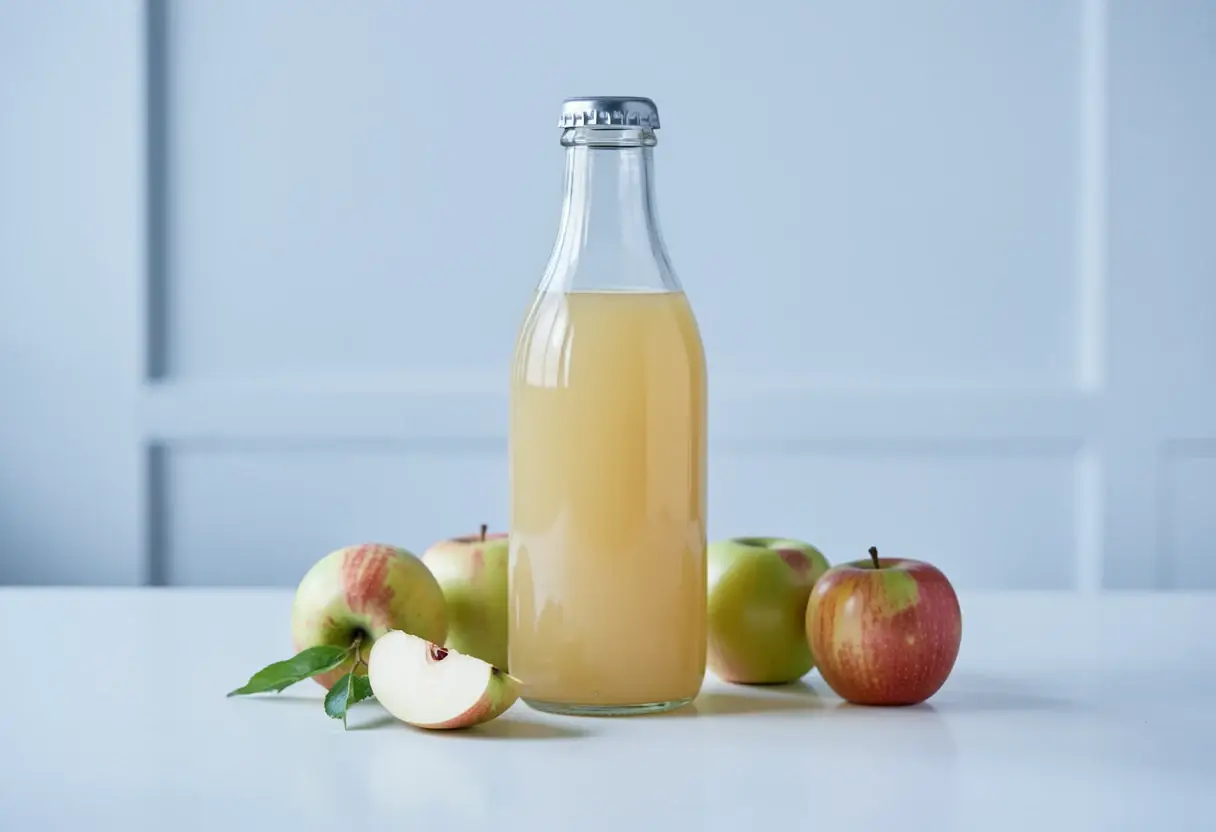
The 2026 U.S. apple crop is forecast at 10.4 billion pounds — 6% below 2025 — and that number turns a forgotten jug of cider in the walk-in from a nuisance into a cost. A federal forecast also expects higher apple prices across the 2026-27 season. Virginia's crop sits at 77 million pounds, which, if realized, would be the state's smallest harvest in more than 50 years. Pennsylvania orchards took a hard spring freeze, and cider prices there may climb because fruit will have to travel from farther away.
Apple Cider Day lands Nov. 18, and this year it arrives with supply tight enough that pouring spoiled cider down the drain is the most expensive disposal method on the menu. A jug keeps about a week in the refrigerator, pasteurized or raw. After that, the options narrow to a freezer, a pot on the stove, or a fermenter.
What does the short crop change for cideries?
Pennsylvania hard cider producers are already adjusting. One cidery is drawing on existing inventory while weighing fruit purchases from Michigan or Wisconsin to keep winter production running. Certain blends may not be possible this year at all. The ones that do get made could taste different, or cost more — a sourcing constraint that flows straight from the orchard to the taproom price list.
The historical irony is sharp. Before refrigeration, settlers with homestead orchards kept cider by fermenting it, and that barrel was the most dependable long-term storage they had. Fermented cider was safer than water, too, because fermentation inhibits harmful microbes. On the frontier, boiling water took fuel and time; a barrel of cider that kept itself was the practical economics of the day.
How long does cider actually last?
The storage math, per Oregon State University extension guidance:
- Pasteurized cider: about one week refrigerated.
- Raw cider: up to seven days, held at 40 degrees Fahrenheit or below.
- Pasteurization at home: hold cider at 160 degrees Fahrenheit for at least six seconds — it extends shelf life and kills bacteria such as E. coli and Salmonella.
- Freezer: works if the container leaves at least two inches of headroom, because cider expands as it freezes. Some orchards sell a slushy-style frozen "cider ice."
There's a labeling angle as well. Under FDA rules, packaged cider that sellers have not pasteurized or otherwise treated must carry a federal warning label. Sellers pouring by the glass at orchards and farmers markets don't. Uncertain buyers can ask the seller directly what treatment, if any, the cider received.
Can the kitchen absorb the surplus?
Operators with a surplus have a menu-engineering answer, not just a storage answer. Simmering a cup or two of cider down to about half a cup concentrates apple flavor without thinning batters — the trick behind apple cider mini donuts — and a further reduction makes boiled cider, a dark syrupy concentrate for pies and a spreadable cider jelly. A brush of the reduction over warm donuts before cinnamon sugar works as a finishing touch.
On the savory side, cider replaces water in a brine for pork chops, chicken, and turkey, seasoning the meat while holding moisture. Pork shoulder and chicken thighs braise in it, with the liquid reduced into a sauce while the meat rests — sharpened with a splash of cider vinegar and a spoonful of mustard. A quick pan sauce starts with the browned bits searing leaves behind: a splash of cider loosens them, a simmer thickens it, a spoonful of cream finishes it.
Fermentation extends the runway further. Sweet cider — uncooked, no preservatives — becomes hard cider with clean equipment and monitoring. A second fermentation converts its alcohol to acetic acid over up to a month, with daily stirring and careful temperature and oxygen control. The result, unfiltered cider vinegar, keeps the "mother," a harmless jelly-like mass of yeast and bacteria. It's milder than distilled white vinegar, though its amber color limits it on light produce; steeped with herbs or jalapeños for three to four weeks, it becomes a house dressing base.
For cloudy cider, bartenders note it gives spiced drinks and fall mocktails a fuller apple flavor than clear juice. With the 2026-27 season pointing toward higher prices, every jug a kitchen preserves, reduces, or ferments is inventory it won't have to buy twice.
More from Daniel Okafor
Show full bio
Correspondent covering companies, deals and strategy in Restaurant and hotel operations at The Pass Brief.
761 articles