Beef costs climb 30%, forcing Ontario operators to re-engineer brisket menus
Beef prices are up more than 30% in two years, pushing Ontario barbecue operators to reprice brisket by weight or swap cuts to protect margins without raising menu prices.
Beef prices in Canada have risen more than 30% over the last two years, and barbecue operators in Ontario's Kitchener-Waterloo region are now re-engineering their menus around the number that matters most to them: yield.
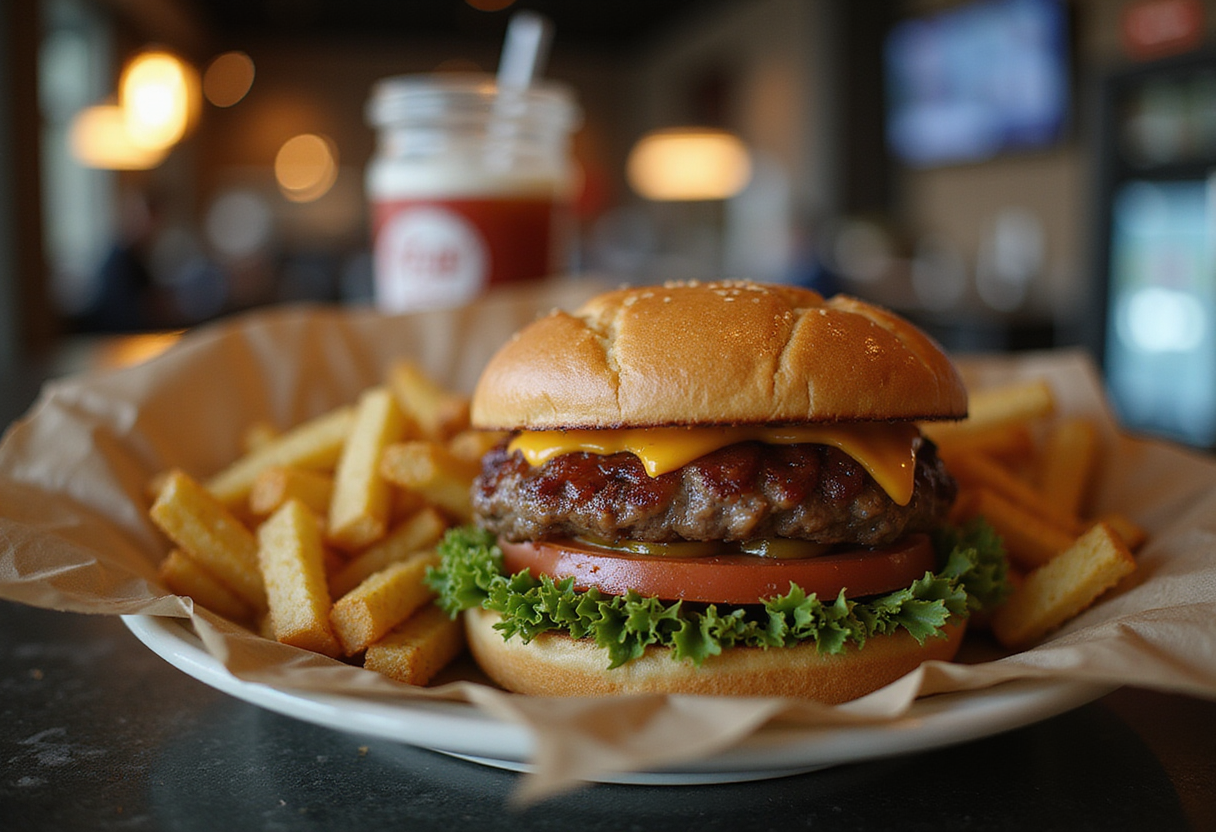
At D&D Smoked Eats in Breslau, Ont., brisket drives the majority of sales — and it is also the cut doing the most damage to the P&L. Owner Denis Hernandez calculates that after trimming and smoking, a brisket loses 40% to 50% of its purchased weight before it ever reaches a customer.
"Just the price of beef especially, is getting insane. Like brisket mainly," Hernandez said. "For us, when we buy a brisket, after we've trimmed it and after we've smoked it and everything, it's gone down at least 40 to 50 per cent that we're losing."
The raw input sits at roughly $18 per kilogram at retail, Hernandez said, but once cooking losses, wood for the smoker and labour are layered in, the effective cost rises by another $8 to $9 per kilogram. That spread is what he is trying to reconcile against a menu price ceiling: customers already hesitate to spend $15 on a sandwich.
Hernandez says he may pull brisket from the menu and substitute a cheaper cut rather than raise prices again. He has also ruled out one common defensive tactic — holding price while shrinking the portion.
"I don't want to have to give a lower portion and charge the same. I'd rather give more meat and have the same price," he said.
Down the road in Kitchener, Lancaster Smokehouse has taken a different pricing route. The restaurant posted online that it now sells brisket à la carte, by the pound or half-pound, with each portion weighed at the point of order. The move shifts beef price volatility onto a separately priced item and, the restaurant said, protects the rest of the menu from increases.
Mike von Massow, a professor of food, agricultural and resource economics at the University of Guelph, said the two operators' responses illustrate the core dilemma of the current beef cycle: balancing customer value against margin.
"Restaurants are dealing with the same food price increases that we are in grocery stores. And they've got to balance providing value to customers with ensuring that they get some margin," von Massow said.
Lancaster Smokehouse's multi-meat platters, he noted, are exactly where the squeeze bites hardest. When a platter carries two, three or four kinds of meat at a single price, beef is the most expensive component, and the operator absorbs the difference. The restaurant has not dropped brisket, according to von Massow — it has simply removed it from fixed-price bundles and repriced it specifically at order.
"For beef-driven restaurants, this is more of a challenge," he said.
Why the cycle is running long
The supply-side driver traces to two consecutive dry years in Western Canada and the Western United States in the early 2020s. No summer grass and scarce winter hay forced cow-calf producers to cut herds so remaining animals had enough feed.
Cattle cycles are nothing new, von Massow said, but two factors make this one deeper. First, demographics: beef cow-calf farmers skew older than the average farmer, and an operator who cuts a herd from 300 head to 200 may simply choose not to rebuild. Second, record animal values work against herd expansion — retaining a heifer means forgoing a high sale price.
Canadian beef consumption has not fallen, von Massow said, but rebuilding a herd takes years. With supply tight and demand steady, he expects prices to stay elevated.
For Hernandez, the operating answer comes down to sourcing and substitution rather than pricing power. He asks customers to recognize the overhead and labour behind the menu, and frames the possible cut swap as the cost of keeping the product worth its price.
"If I have to change to a different cut of meat, then that's what I'll have to do," he said.
With herd rebuilding constrained by producer age and record cattle values, operators like Hernandez face an extended stretch of elevated beef costs — and more menu engineering decisions — before input prices normalize.
More from Elena Vasquez
Show full bio
News editor covering industry trends and analytics at The Pass Brief.
84 articles