Koreans Are Skipping 25 Meals a Year as 'Less-Eating Society' Arrives
SNU data shows Koreans now eat plain rice 200 times a year, down from 219, as wellness-driven 'less-eating society' trends reshape menus and demand into 2027.

Koreans cut roughly 25 meals per person from their annual diets — the equivalent of skipping two meals a month — and Seoul National University professor Moon Jeonghun expects the decline to continue through next year. He presented the finding on November 4 at the "2027 Outlook for the Food and Restaurant Industry," an event hosted by the Ministry of Agriculture, Food and Rural Affairs and the Korea Agro-Fisheries & Food Trade Corporation (aT) at COEX in Seoul's Gangnam-gu district.
Moon, who runs SNU's Food Business Lab, named the "less-eating society" as his first keyword for food trends heading into next year. His lab compared the 20 most commonly consumed everyday meals among Koreans across two periods, drawing on OpenSurvey food diary data. The numbers are blunt. Consumption frequency fell for most foods tracked — plain rice, soups and stews, ramen, gimbap.
How steep is the decline?
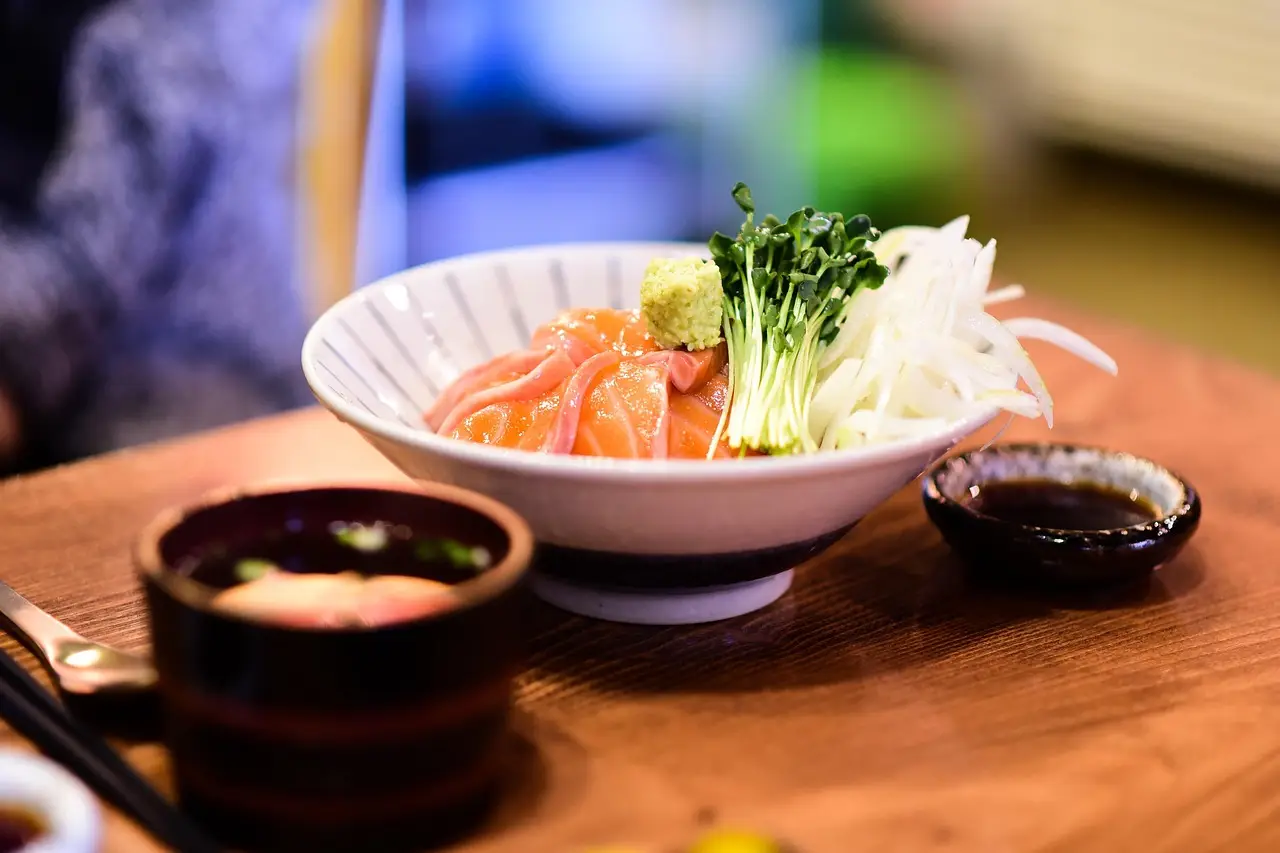
Plain rice, the single most common everyday meal, shows the clearest signal. Consumption frequency fell 8.6% in the most recent measured year (June 2025 to May 2026) versus the previous two years (June 2023 to May 2025). In practical terms, the average person ate plain rice 219 times a year and now eats it 200 times.
The contraction isn't confined to one daypart or demographic. Food consumption declined at every time of day, with late-night demand — particularly after 10 p.m. — dropping sharply. Men and women in their 20s through 50s all reduced consumption, with the sole exception of men in their 50s.
"Amid the wellness food culture, people have cut back on everything from the number of meals they eat to the number of foods, beverages, and alcoholic drinks they consume," Moon said.
What does this change for operators?
For restaurants and food manufacturers, a shrinking consumption base means the growth math shifts. When annual meal occasions fall across dayparts — and late-night traffic collapses — operators face pressure to earn more per remaining occasion rather than count on frequency. That's the logic behind the experiential turn Michelle Lee described. Lee, Glico's director of marketing for Asia-Pacific, told industry officials at the event: "Selling the product itself is merely selling a function." Her advice: "Sell the emotion consumers will feel, not the product."
She argued that experiential consumption has already shifted consumer behavior away from buying products and toward purchasing the experiences and feelings those products deliver — a menu-engineering and positioning challenge, not just a marketing one.
Moon pointed to one concrete format answer: layered drinks and foods. "Drinks that people look at, taste, and share on social media are attracting interest. The act of drinking itself has become an experience," he said. "Desserts are evolving toward carefully designed layers. Stacking or filling them with a variety of textures, tastes, and flavors will bring major changes to the beverage and dessert markets."
Wellness without sacrifice
Lee Seoyun, an insights team analyst at Mintel Korea, joined Lee in arguing that wellness is now reshaping diets and lives more broadly. Consumers are taking a proactive approach — consuming protein, dietary fiber and other nutrients to prevent illness over the medium to long term, rather than focusing on treatment after the fact. Markets for gut health, protein, dietary fiber and diet supplement products are growing rapidly, Lee said.
But health emphasis doesn't mean abandoning taste. Low-sugar foods featuring local flavors and protein-enriched desserts are attracting attention. Lee also flagged a pattern she called "Punk Wellness" — consumers eating greasy food while drinking tea that's good for them, or taking melatonin to improve sleep while staying up late.
The Mintel analyst widened the frame further. Interest in health and healthy aging, she said, is pushing the active lifestyle beyond exercise into everyday territory: nutrition, recovery and sleep. Food and beverages now play roles in energy and hydration before, during and after exercise, plus recovery and condition management. She also noted an integrated wellness approach combining food and beverages with skincare, alongside rising consumer interest in F&B products aimed at self-care and mental health.
The underlying driver, according to Moon, is a multi-year wellness trend: consumers already managing carbohydrate and sugar intake are now reducing overall food consumption. Consumers are adjusting both the quantity and quality of what they eat and drink — a proactive, not reactive, posture toward health.
Moon's projection is that the less-eating pattern persists into next year, which means operators navigating fewer total occasions will keep competing on nutrient density, experience and per-visit value rather than volume.
More from Daniel Okafor
Show full bio
Correspondent covering companies, deals and strategy in Restaurant and hotel operations at The Pass Brief.
599 articles