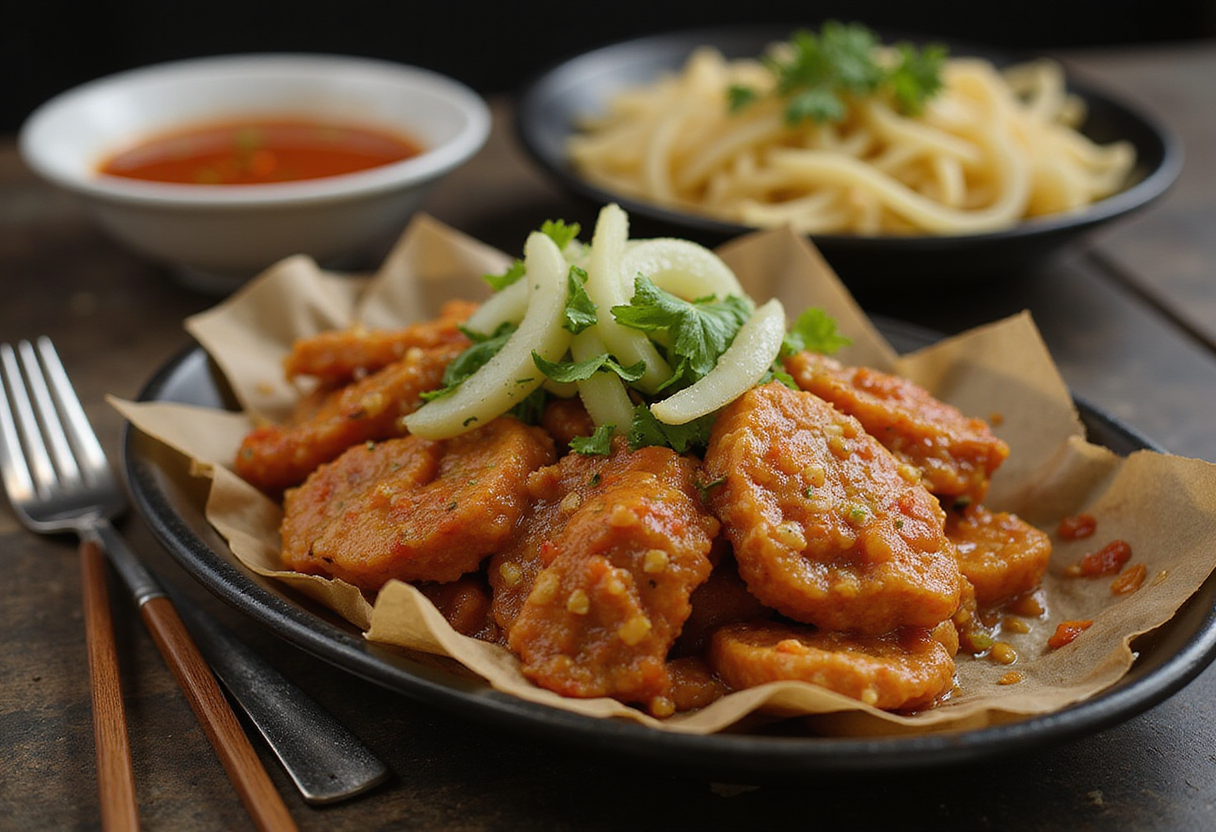
Asian cuisine and composed bowls are reshaping the workplace lunch
Asian food sales through workplace dining platform Fooda climbed 53% year to date in 2026, with bowls and salads reshaping the office lunch channel for restaurant operators.
Asian food orders through workplace dining platform Fooda climbed 53% year to date through 2026 versus the same period a year earlier, according to company data shared October 2. Asian restaurants already operating on the platform in both periods still posted roughly 15% sales growth — ahead of every other cuisine Fooda tracks.
The numbers point to a workplace lunch channel that has reorganized itself around composed, protein-and-grain meals rather than the sandwich-and-fries default of the pre-pandemic office.
"People may want something more nutritionally balanced, but they still want lunch to taste like lunch," Fooda said in its analysis. The 53% headline Asian figure reflects both new restaurant additions to the platform and stronger same-restaurant demand.
Which Asian dishes are pulling workplace volume?
Three menu items accounted for most of the lift, according to Fooda:
- Chicken teriyaki bowls
- Orange chicken bowls
- Pad Thai
The format appears to matter as much as the cuisine. Diners increasingly want composed meals that combine a protein, grain, vegetables and sauce into a single, portable package. Asian menus lend themselves to that structure naturally — a bowl travels well, holds heat, and can be priced at a $13–$16 check average that fits corporate lunch budgets.
Is this a health story or a flavor story?
Fooda pushed back on a "lighter food" reading of the data. "What seems to be working is food that balances health with satisfaction," the platform said.
The supporting numbers across the broader healthy category:
- Overall salad sales rose 11% year over year
- Spicy Caesar salads and crispy chicken wraps posted among the strongest salad-segment gains
- Hungry bowls, rice bowls and quinoa bowls delivered double- and triple-digit percentage growth at locations that carried them in both comparable periods
National chains including Just Salad, Sweetgreen, and Teriyaki Madness have performed well in workplace settings, with bowl-heavy menus doing the heaviest work. Fooda flagged potential GLP-1 adoption as one factor behind elevated demand for protein-forward, portion-controlled meals, though it stopped short of quantifying the effect.
What does the channel mean for operator P&L?
Workplace programs concentrate demand into predictable windows, allowing restaurants to operate focused menus and prepare meaningful volume before the traditional dine-in lunch rush begins. That combination — tighter prep cycles, fewer SKU changes, and high-traffic midday windows — supports lower food and labor cost percentages than a typical storefront lunch service.
The marketing case is equally concrete. A first meal at the office can convert into a future dine-in visit, putting the brand in front of customers who might never have walked past the restaurant. Fooda noted that employers increased hiring in the back half of the year and that return-to-office policies are pulling more workers back on consistent schedules — conditions that expand the addressable lunch occasion.
How should operators approach workplace as a channel?
The platform's recommendation: treat workplace as its own channel, not a delivery or catering appendage. Menus need to travel, service has to move fast, and pricing must clear corporate budget thresholds without margin erosion. Fooda also urged operators to avoid forcing workplace logistics onto in-store teams.
"The workplace lunch consumer is not fundamentally different from the consumer walking into a restaurant," Fooda said. "They still want quality, value, variety, and something they are excited to eat."
With hybrid schedules stabilizing and lunch decisions shifting back to office corridors, restaurant operators that build dedicated workplace menus around bowl formats, $13–$16 price points, and Asian or health-forward flavor profiles are best positioned to capture the channel through the remainder of 2026 and into next year's hiring cycle.
More from Elena Vasquez
Show full bio
News editor covering industry trends and analytics at The Pass Brief.
245 articles