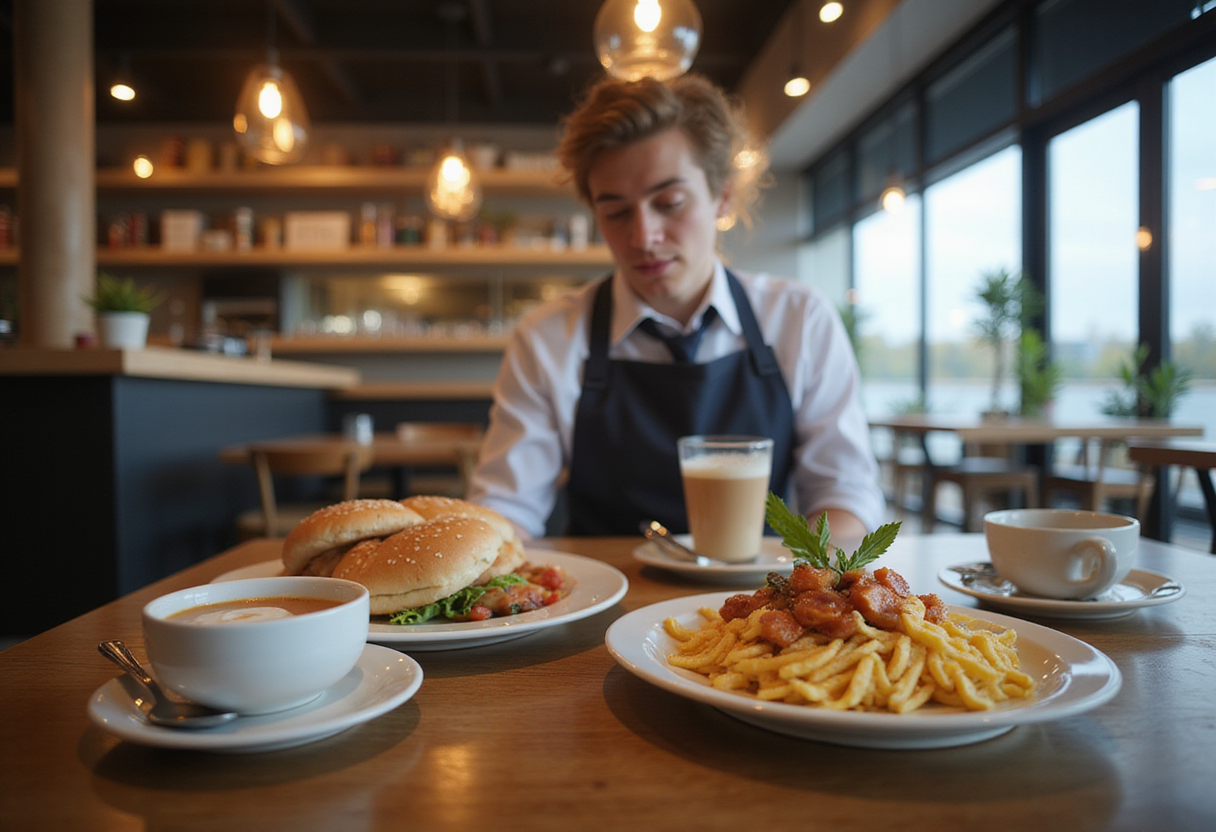
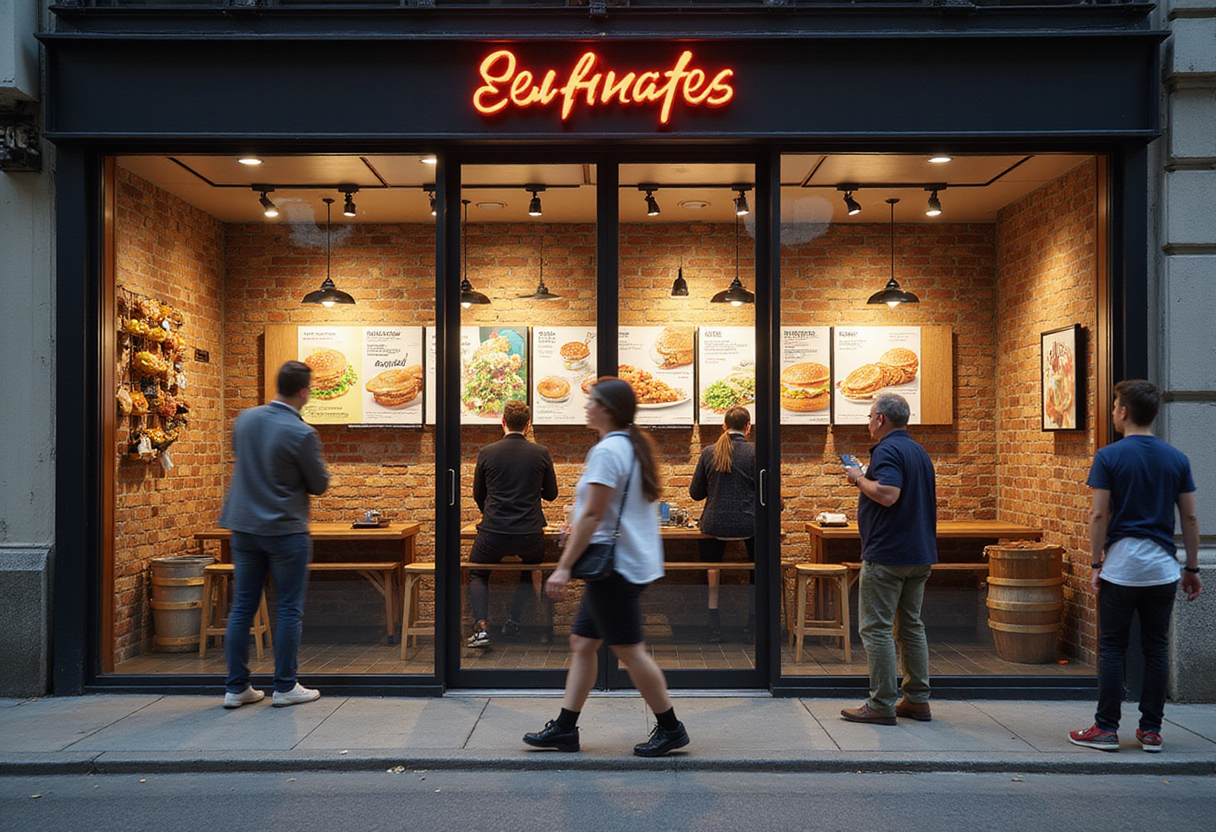
Asian cuisine, healthy options top lunch rush winners: NRN
Nation's Restaurant News identifies Asian cuisine and healthy options as the segments winning the lunch rush, framing a daypart defined by tight margins and high throughput.
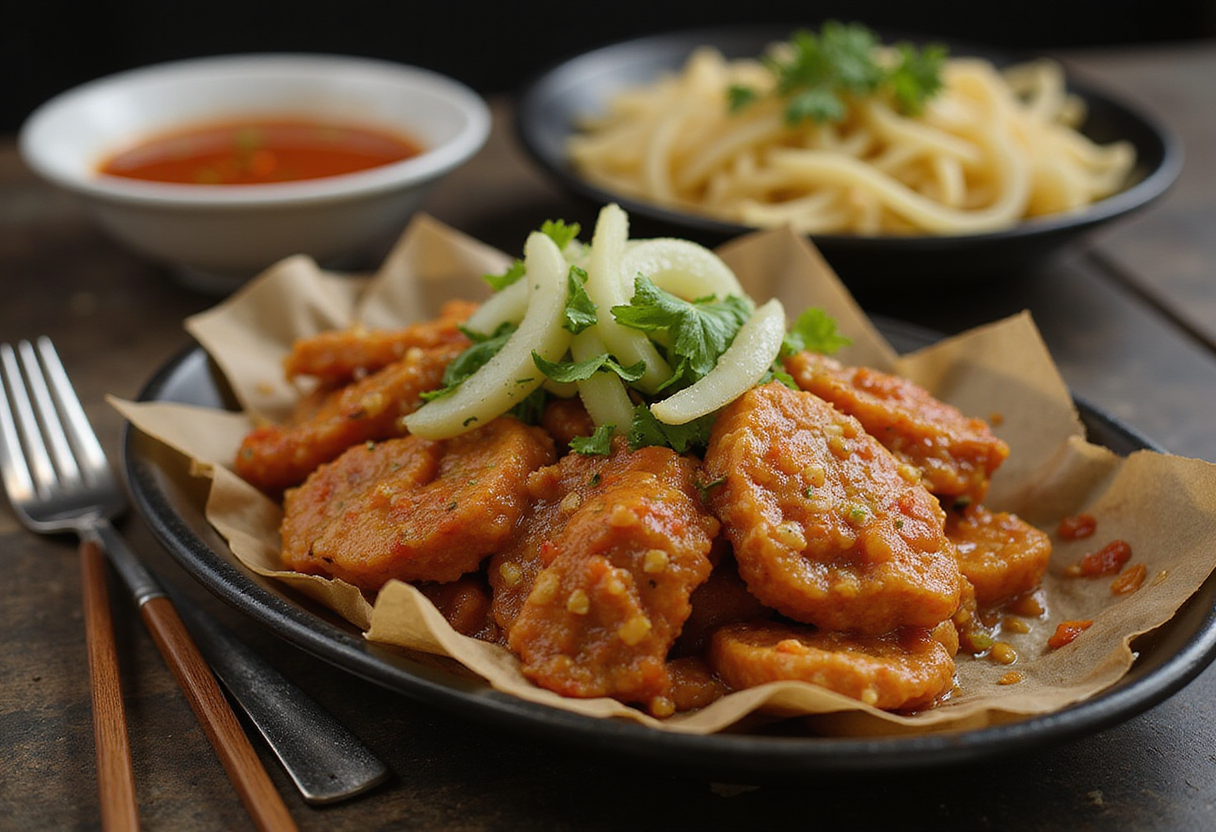
Asian cuisine and better-for-you menu items are leading the lunch daypart, according to a Nation's Restaurant News analysis.
What did NRN identify as the winners?
The trade publication pointed to two categories outperforming during the lunch rush: Asian-format concepts and operators leaning into health-forward menus. The headline finding — that these segments are winning the midday rush — frames a recurring operator question about where to place limited lunch-period labor and marketing dollars.
Why does the lunch daypart matter operationally?
Lunch drives volume, but the math is unforgiving. A weekday lunch typically runs a lower check average than dinner, with tighter ticket times and a labor cost percentage that climbs quickly if throughput stalls. Operators that capture the rush with limited, high-velocity menus — bowls, banh mi, poké, build-your-own grain formats — protect margin by holding food cost under control and turning tables in 30 minutes or fewer.
How does Asian cuisine fit that math?
Asian-format menus rely on a short list of proteins, vegetables and sauces that cross multiple dishes, which compresses inventory complexity and supports consistent food cost. The format also lends itself to bowl and plate architecture, allowing operators to price a single protein upcharge across a base — rice, noodles, greens — without rebuilding the menu.
What role do healthy options play?
Health-forward positioning ties directly to consumer demand for transparent ingredients and calorie-conscious choices, but the operator case is economic. Veg-forward and lean-protein dishes typically carry a lower food cost than red-meat entrées, which improves contribution margin on a lower-priced lunch ticket. Branding around "healthy" or "fresh" also supports a modest check lift through add-ons like premium grains, avocado and specialty beverages.
What should operators watch next?
The competitive question is whether Asian and better-for-you formats can sustain a price premium as more players crowd the segments. Expect operators to defend share through limited-time menu items, faster digital ordering and tighter lunch-only value tiers rather than discounting core bowls and plates.
More from Marcus Bennett
Show full bio
Market editor covering media and advertising at The Pass Brief.
243 articles