Same Price, Smaller Plate: Korean Restaurants Quietly Trim Portions
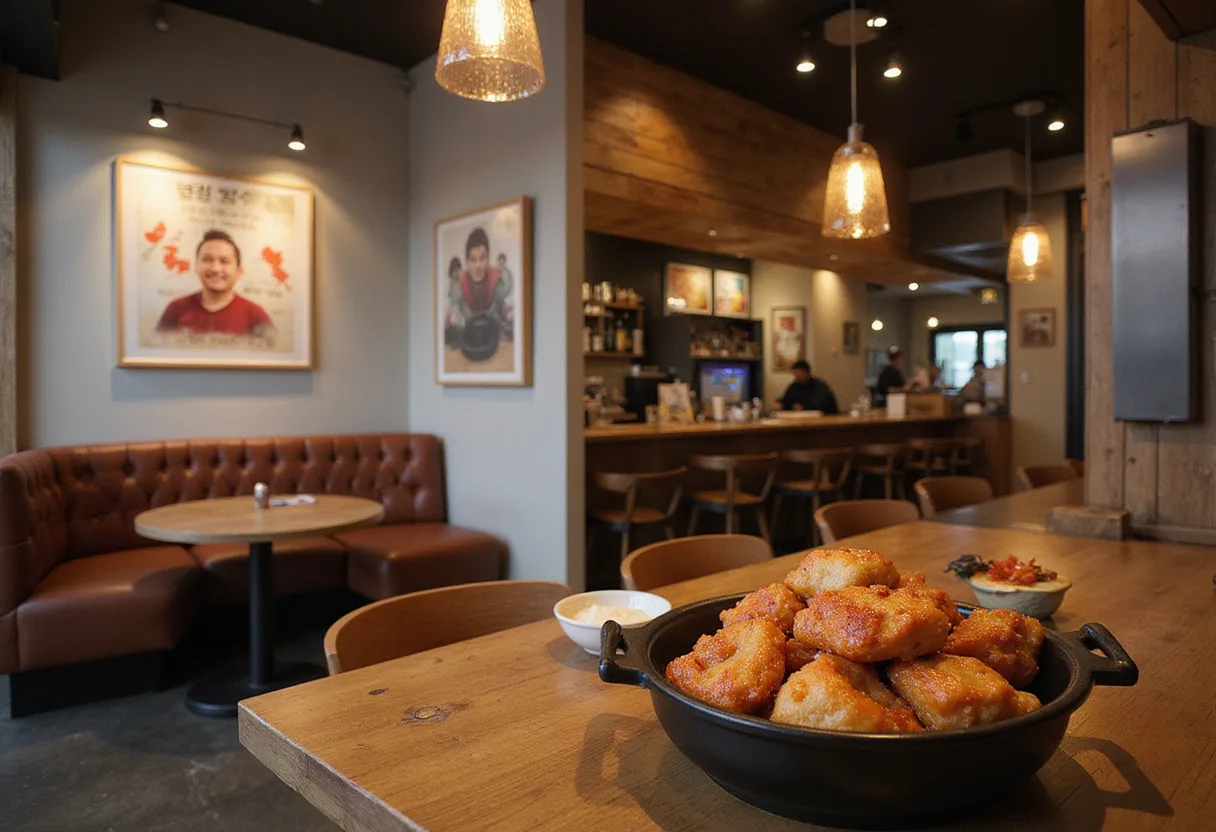
Korean restaurants are quietly serving smaller plates at the same price, per Korea JoongAng Daily. Operators trim grams to defend margins without posting menu hikes. The strategy ends when the dish disappears.
Korean restaurants are serving less food for the same money. The Korea JoongAng Daily ran the headline "Same price, less food: Restaurants quietly ration as costs rise," and the headline captures the trend. Operators trim grams off plates without trimming won (Korean currency) off menu prices.
Why does the strategy work?
A posted price hike announces itself. A diner notices the rebrand (revised menu pricing) and mentions it on apps. They compare the new tab to last week's tab. A silent portion cut announces itself only to the diner who weighs the plate, or who remembers last week's portion. The latter diner is rarer than the former. Operators have done the math.
How much food is leaving the plate?
The Korea JoongAng Daily piece does not itemize gram counts or menu items. The pattern, though, is familiar across Korean independents and chains. Operators reduce protein by a slice, drop a scoop of rice, remove a banchan (small shared Korean side dish) from the table. The menu board does not change. The plate does.
What is happening to costs?
Korea's restaurant inputs have climbed across categories. Imported proteins, dairy, and grain carry higher tabs than operators budgeted for at the start of the year. Packaging, utilities, and delivery fees have moved up. Labor and rent continue to press margins across independent and chain operators. None of these cost lines has settled back.
The kitchen absorbs the pressure, raises prices, or cuts portions. The JoongAng Daily headline confirms that many operators have chosen the third path.
What does the move do to the check average?
Nothing. That is the design. The ticket reads the same. The cost of goods sold (the direct ingredient cost per dish) drops with every gram trimmed. Food cost percentage (ingredient cost divided by menu price) improves on the operator's P&L (profit-and-loss statement).
What changes for the operator?
The kitchen defends margin one gram at a time. Savings do not print as profit. They offset the input inflation that would otherwise have forced a posted price hike. The operator's P&L shows a marginally better food cost percentage on a flat check average. The strategy is defensive, not expansive. The kitchen buys runway, not expansion.
Why is it called shrinkflation?
The term describes the quiet reduction of portion size while the menu price stays flat or rises. It is not a Korean invention. The practice has shown up across grocery aisles, beverage cans, and bakery cases in markets worldwide. The JoongAng Daily headline confirms it has reached the restaurant table in Korea at scale.
What does the diner see?
A smaller plate at the same price. Some notice. Most do not, until they reach for a side that is no longer there. The diner who weighs the kimbap (seasoned rice rolled in seaweed) knows first. The rest suspect.
What comes next?
If input costs keep climbing, the silent trim will eventually meet its floor. A portion can shrink only so far before it stops being the dish. At that point, the menu price moves. Until then, expect plates to keep getting lighter and tabs to stay flat. The next headline will be the same one, only louder.
More from Rebecca Stone
Show full bio
Senior reporter covering technology and product news in Restaurant and hotel operations at The Pass Brief.
457 articles