GLP-1 Users Are Eating Less Dessert, Not Giving It Up
Datassential found 40% of GLP-1 users decline dessert more often, prompting 16 Handles, Clementine's and Mahana Fresh to rethink portions, flavors and packaging.
By Daniel Okafor
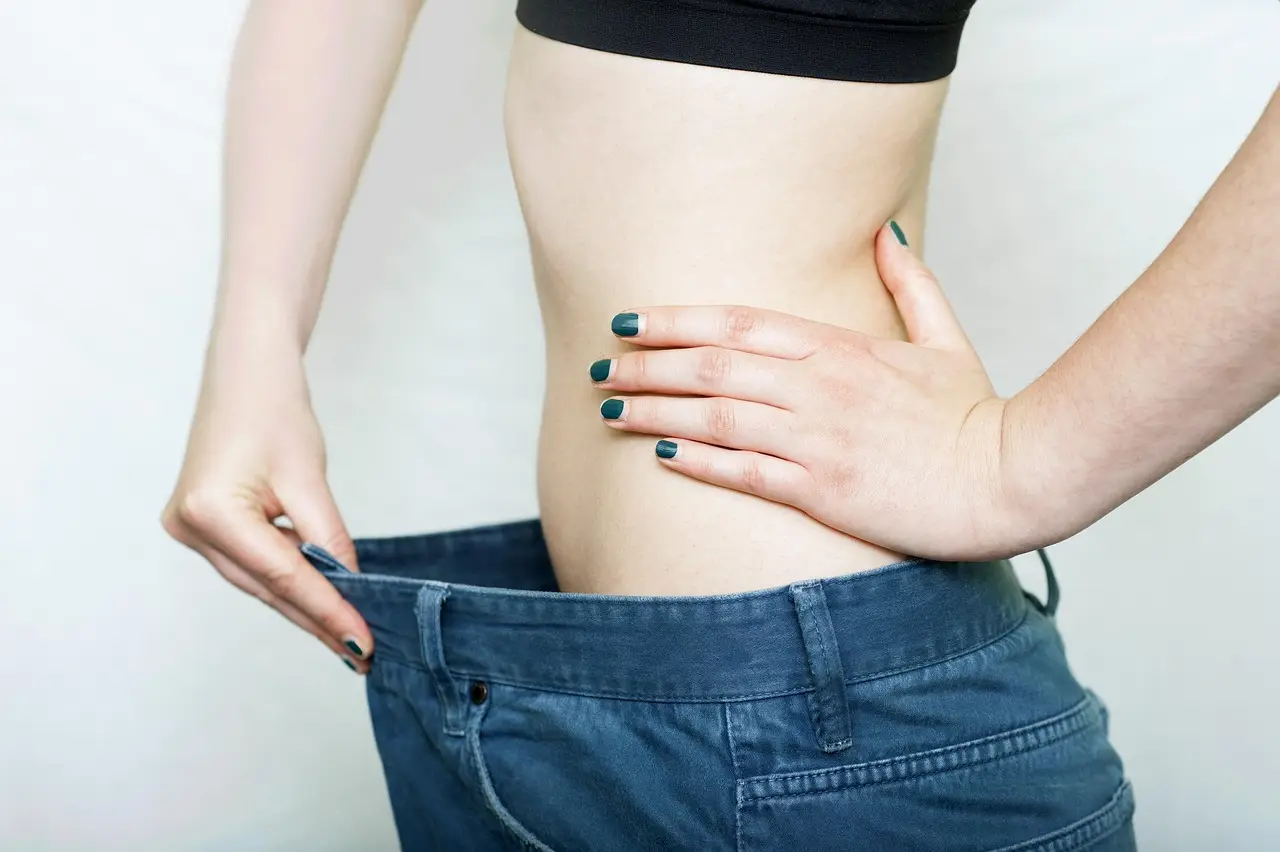
Forty percent of GLP-1 users say they decline dessert more often now, according to Datassential’s October 2026 “GLP-1 Consumer Today” report. The finding is pressuring restaurant menus, but it does not mean consumers have abandoned sweets.
A September Gallup report put current GLP-1 use for weight loss among U.S. adults at 11%, up from 3% in 2024. The same report said 15% had ever used medication for weight loss, a nine-percentage-point increase.
Datassential’s findings show a broader change in restaurant behavior:
- 83% of GLP-1 users made moderate or major changes to their eating habits after starting weight-loss medication.
- 35% described those dietary changes as major.
- 53% of respondents became more interested in nutritious food and bought more fruits, vegetables, protein-rich foods and fiber-rich foods.
The wider restaurant backdrop is also demanding. Technomic’s Top 500 found chain-restaurant sales slowed again in 2025 as consumers cut back on dining, while coffee, beverages, snacks and chicken thrived.
What does this change for restaurant operators?
It changes the menu equation, not necessarily the dessert category. Operators can maintain or grow sweet-treat sales by rethinking portions, ingredients and merchandising rather than treating medication users as a separate market.
“One of the biggest misconceptions about GLP-1 medications is that consumers suddenly stop enjoying desserts or automatically begin eating healthier,” said Suzy Badaracco, president of Culinary Tides Inc., a food-trend forecasting specialist. “These medications can reduce appetite and alter cravings, but they don’t eliminate the desire for indulgence. Consumers may simply want less of it.”
Badaracco said consumers are reconsidering how much indulgence they want, when they want it and what they expect from it. She views that behavioral shift, which extends beyond GLP-1 treatment, as the stronger long-term opportunity for operators.
Badaracco also cautions against a separate GLP-1 dessert strategy. “I would not recommend merchandising desserts specifically around GLP-1 medications,” she said. “Doing so unnecessarily narrows the audience and risks defining consumers by a medication rather than by the benefits and experiences they are seeking.”
Culinary Tides’ analytics indicate that portion awareness, protein and fiber prioritization, and weight management also influence a broad consumer population, not only people taking GLP-1 medication.
Flexibility replaces a dedicated menu
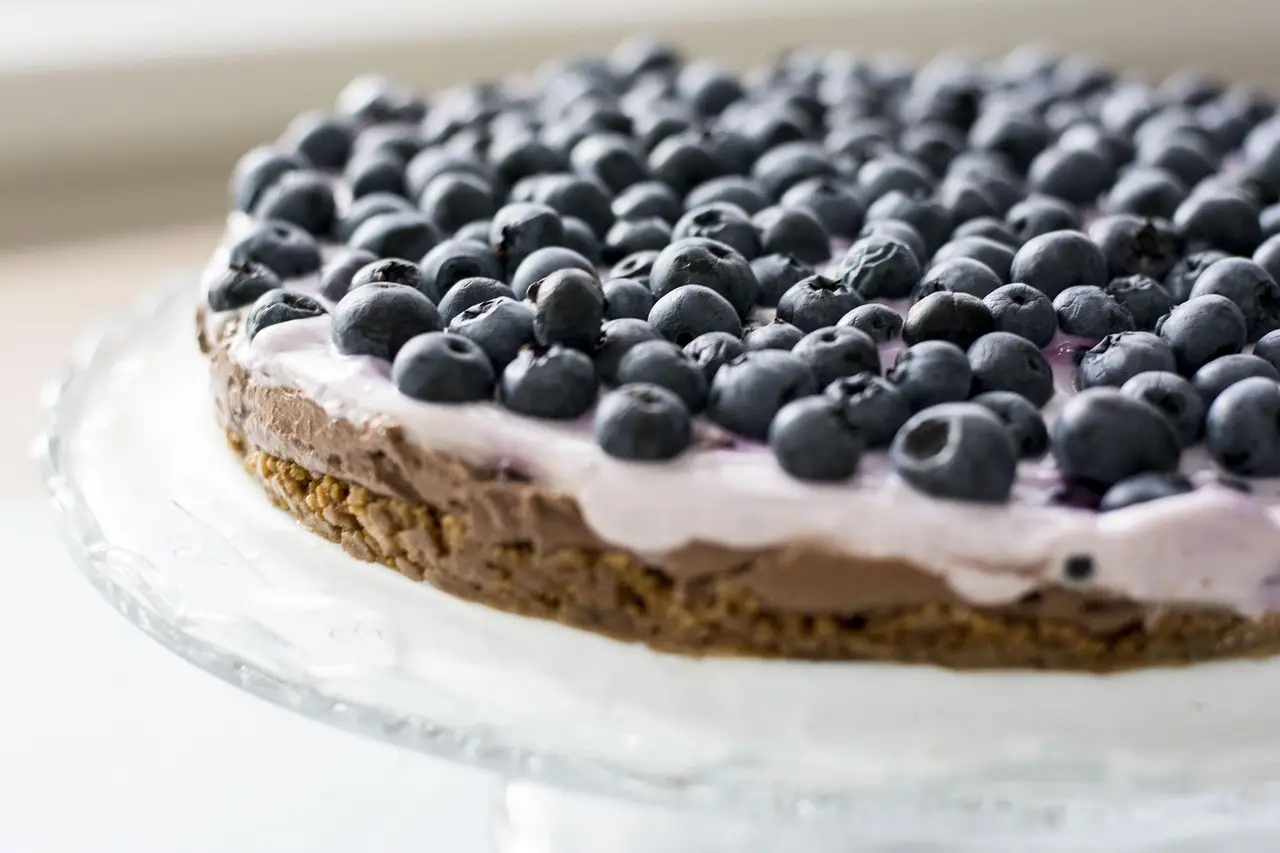
Datassential’s nutrition findings give operators a direction for reformulation. More interest in fruits, vegetables, protein and fiber can translate into smaller desserts built around those ingredients rather than simply reducing the quantity of the original recipe.
The New York City-based 16 Handles has recently seen both sales and visits rise. Some new customers presumably use GLP-1 medication, but CEO Neil Hershman said evolving palates and changing dietary preferences also contribute.
Protein makes frozen yogurt attractive to GLP-1 users, while some may find overly sweet flavors less appealing. The chain has responded with tart frozen yogurt topped with fresh fruit and introduced Kefir Tart Soft Serve earlier in 2026 for shoppers seeking probiotics and other better-for-you attributes.
Hershman said customers are more focused on eating healthfully than at any previous time. Small indulgences are also trending, he said, and the chain’s self-service format lets customers take a little or a lot. That flexibility also serves people who are short on cash or time.
The company did not quantify its sales increase, check average, gross margin, food costs or labor impact. The evidence therefore supports a merchandising response, but it does not establish how much revenue or profit the GLP-1-related changes have produced.
Portion choice must preserve indulgence
Clementine’s Ice Cream, based in St. Louis, is trying to give customers more ways to enjoy its product at different appetite levels and lifestyles. CEO and founder Tamara Keefe described the company’s strengths as indulgence, quality and an exceptional experience, while calling different portion sizes smart business.
Keefe said it remains too early to know how GLP-1 medication will affect the ice-cream category over the long term. She is watching the trend, but she frames it as part of a broader change in how people think about food and make choices.
Mahana Fresh has taken a different route. The brand added GLP-1-friendly bowls while leaving its Chocolate Chip Cookie, Snickerdoodle and Zucchini Brownie unchanged.
Founder and CEO Dave Wood said the company tried making its brownies half-size but disliked how they looked. Dessert sales have remained steady, and Mahana Fresh plans to test packaging two smaller brownies together so the buyer can eat half later.
That approach preserves the visual appeal of a full brownie while adding flexibility at consumption. It also illustrates why operators cannot rely on one universal answer: consumers may want smaller portions, different ingredients, more control or simply less sweetness.
Badaracco’s final point is that the future of dessert need not mean less indulgence. It means giving consumers more flexibility in how they indulge, allowing operators to protect the dessert occasion even as appetite and expectations change.
More from Daniel Okafor
Show full bio
Correspondent covering companies, deals and strategy in Restaurant and hotel operations at The Pass Brief.
558 articles