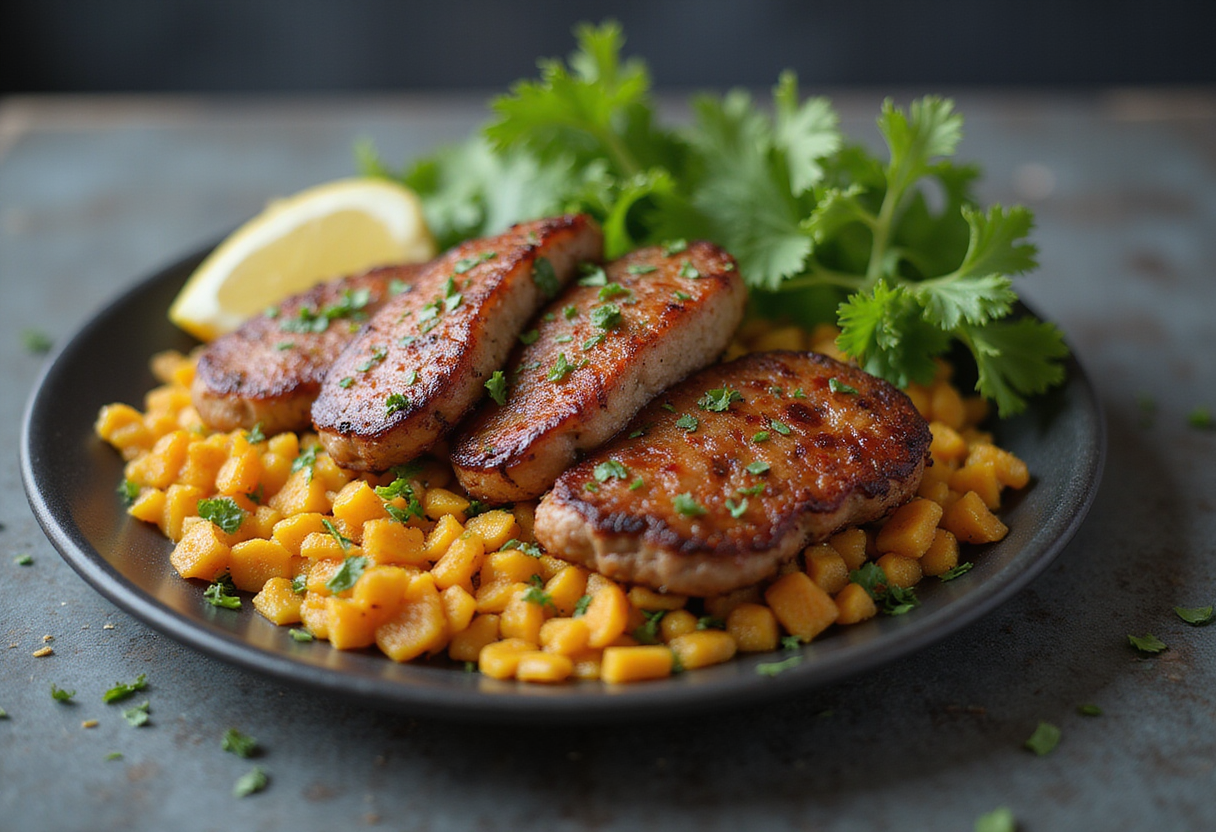
GLP-1 Drugs, Protein and Flavor Lead the Menu Trend Watch
FoodNavigator's latest Trend Tracker flags GLP-1 drugs, protein and flavor as the forces reshaping product development — with real implications for menu engineering.

FoodNavigator's latest Trend Tracker puts three forces at the top of the food and beverage development agenda: GLP-1 weight-loss medications, protein, and shifting flavor preferences. The roundup frames all three as product-development stories, not passing consumer moods — and that framing matters for anyone building a menu or a product pipeline.
The connective thread is appetite itself. GLP-1 drugs reduce how much users want to eat, which shrinks the average eating occasion while raising the nutritional stakes of every calorie that remains. That pushes formulators toward nutrient density: more protein, more fiber, more satiety per bite. Protein's prominence in the tracker is not a coincidence — it is the direct operational answer to a customer who eats less but needs the same nutrition.
What does this change for menu builders?
For operators, the practical read is portioning and composition rather than portion size alone. A smaller-format dish engineered around protein density can hold its margin at a lower price point, because the customer is paying for function, not volume. That is classic menu engineering applied to a pharmacological shift.
The flavor side of the tracker points the same direction. When appetite is suppressed, flavor impact has to work harder to justify a purchase — which favors bold, concentrated taste profiles over subtle ones. It also favors condiments, sauces and seasonings as low-cost ways to lift perceived value on a smaller plate.
The tracker's roundup format means it reads as a scanning tool: a short list of where developer attention is going, published periodically to catch momentum early. For suppliers, the signal is that protein claims and satiety positioning remain investable. For restaurant and foodservice teams, it is a prompt to audit whether the menu has anything structured for the smaller-appetite customer beyond simply shrinking existing items.
The trend set also has a sourcing dimension. Higher-protein formulations change purchasing patterns — more dairy protein, plant protein blends, and functional ingredients — and those input categories carry their own cost volatility. Any operator reformulating toward density should price the ingredient basket before committing to a launch.
None of these signals suggests an overnight menu overhaul. But with GLP-1 adoption continuing to grow and protein demand holding firm across categories, the tracker's three threads look set to keep shaping product briefs through the coming development cycles.
More from Olivia Hart
Show full bio
Staff writer covering regulation, policy and their impact on Restaurant and hotel operations at The Pass Brief.
372 articles