GLP-1 Appetite Shift Forces Food Companies to Adapt
The New York Times examines how the GLP-1 appetite shift is redrawing demand — and why chain restaurants and CPG manufacturers are struggling to rewrite the menu math in real time.
Ozempic ate the appetizer. That single line captures a market problem The New York Times has now put on the record — one that restaurant operators and packaged-goods executives have wrestled with for quarters, often in earnings calls and supplier meetings away from the headlines.
The paper's latest piece, "For Food Companies, Shifts From GLP-1 Use Are Hard to Digest," names the question plainly. GLP-1 agonists — the drug class behind Ozempic, Wegovy, Mounjaro and Zepbound — have crossed from niche diabetes care into mainstream weight management. The user base has grown. The demand curve for calories has bent with it.
What does the GLP-1 shift change for operators?
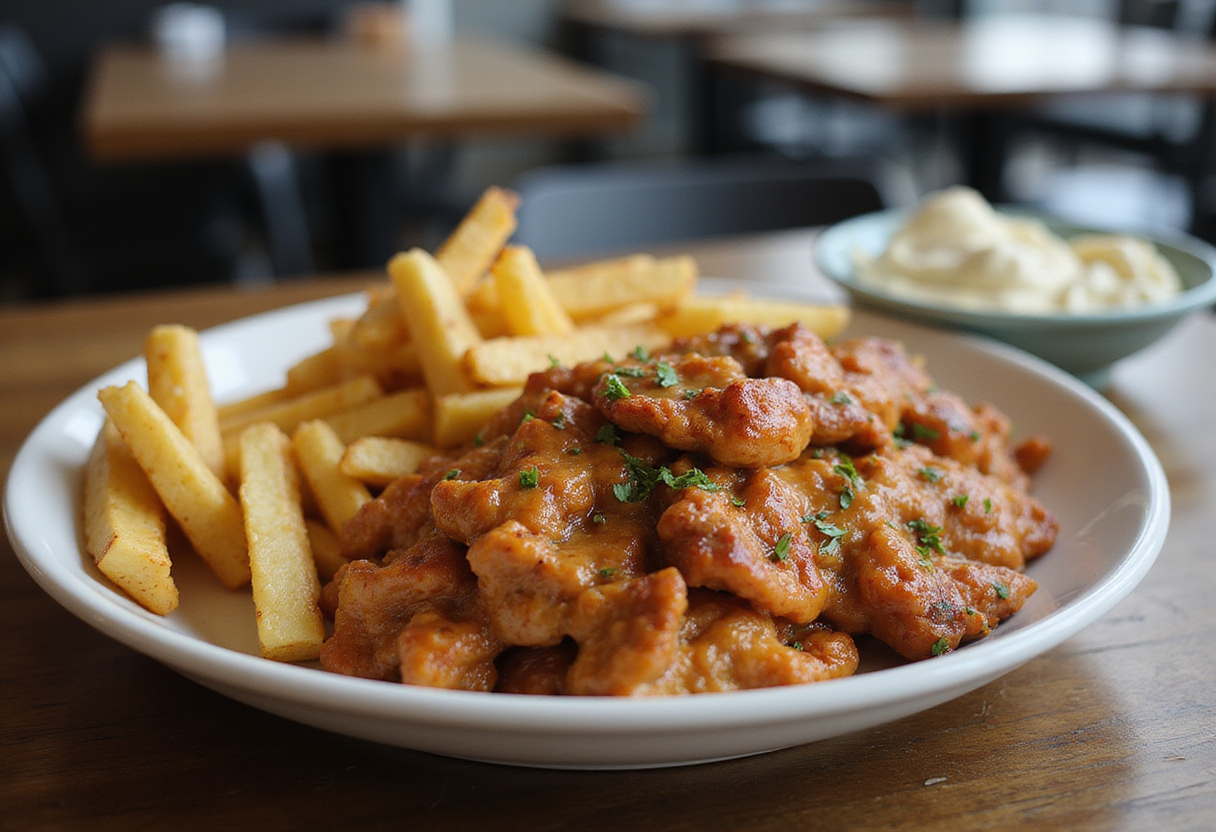
For restaurants, the math is uncomfortable. A drug that suppresses appetite, shrinks portion tolerance and rewires what users want to eat doesn't just thin covers. It pressures check average — the cleanest read on operator health — and forces a rewrite of the menu engineering playbook. A chain built on full-size entrées and shared appetizers now faces a diner who may skip the app, leave half the plate, and order water. Unit economics crack long before the head-count falls, and operators are staring down a comp-sales signal that doesn't yet have a clean label.
Operators are responding on three fronts. Smaller entrée formats at lower price points. Lighter plate architecture — more protein, less starch. Bundled "GLP-1 friendly" options that accommodate a smaller appetite without making the guest feel like a patient. None of it's settled, because the user base keeps moving.
Why is the demand curve so hard to read?
GLP-1 use isn't a clean segment. It crosses age, income, geography and diet ideology. Some users titrate off and regain appetite. Others stay on indefinitely. The drug reaches dieters who never tried Weight Watchers and diabetics who never wanted weight loss. Insurance coverage shifts by employer and state. Telehealth access widens. New molecules keep entering the market. The user of today isn't the user of tomorrow, and food companies are forecasting demand against a target that won't hold still.
For manufacturers, the pressure point is the shelf. Reformulated portions, repackaged snacks and "GLP-1 friendly" product lines have landed on grocery shelves, but the consumer research stays muddy. For restaurants, the equivalent is point-of-sale data — local, granular, slow to roll up to a corporate thesis, and uneven across markets.
What does this change for the next planning cycle?
The NYT piece lands as operators head into fall menu reviews and manufacturers finalize shelf plans for the year ahead. The next four quarters will show whether GLP-1-driven demand shifts settle into a durable pattern — whether "GLP-1 friendly" becomes a permanent category, a transitional footnote, or a quiet reset of how every chain sizes its default entrée, sources its proteins, and prices the lower-volume plate. For now, the most honest read on the trend is the one food executives keep giving each other: it isn't a blip, but it isn't a map either.
More from Daniel Okafor
Show full bio
Correspondent covering companies, deals and strategy in Restaurant and hotel operations at The Pass Brief.
336 articles