GLP-1 Diners Ask for Half Portions, But Half Price Isn't on the Menu
Diners on Ozempic-era weight-loss drugs want half portions at half price. Restaurant economics make that a hard ask — and menu engineering is racing to respond.
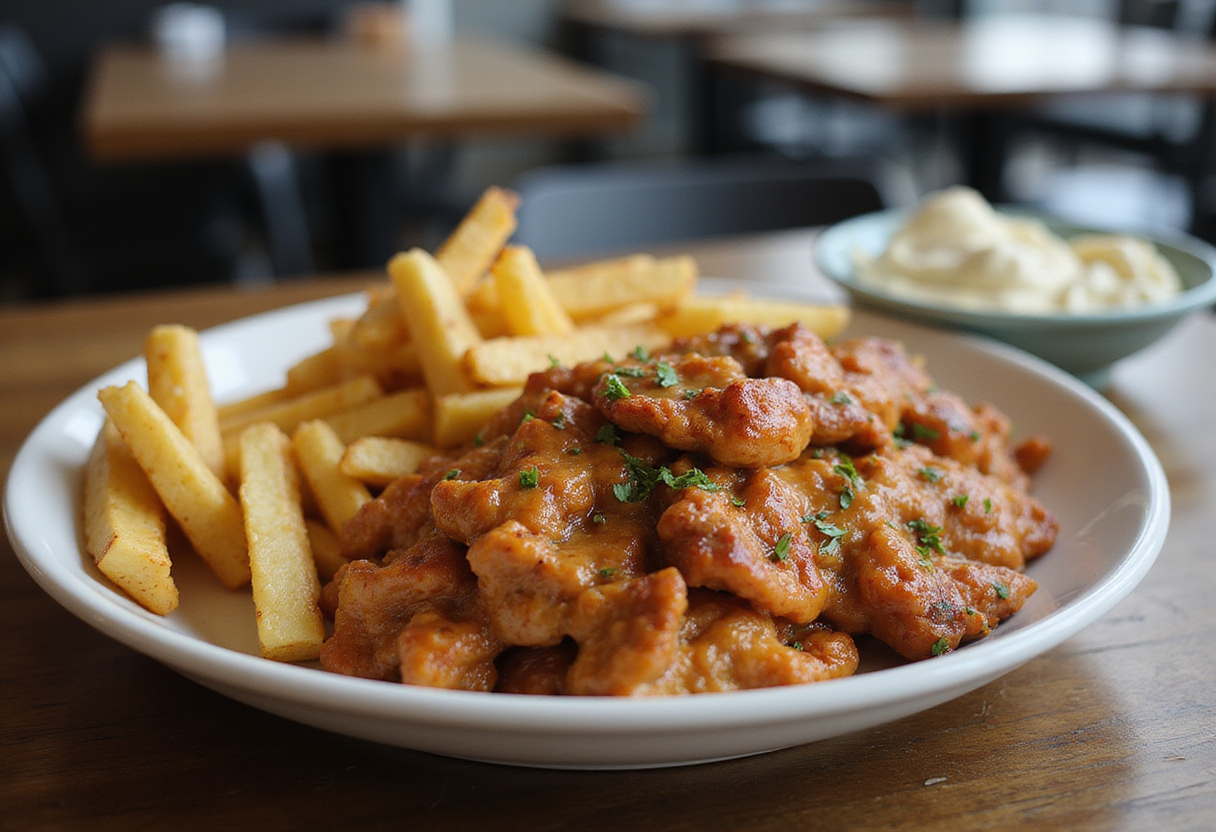
Diners using Ozempic and similar GLP-1 weight-loss drugs are asking restaurants for half portions — and the headline answer from the industry is blunt: they won't get half prices.
That framing, laid out in a new analysis, captures the core tension now facing operators as medication-driven appetite suppression reshapes what a "normal" restaurant visit looks like. Customers eating less still expect to pay proportionally less. The economics of a restaurant plate rarely work that way.
Why can't restaurants just halve the price?
Food cost is only one component of a dish's price. Labor, rent, utilities, and fixed overhead do not shrink when the portion does. A half-portion at half price would gut the contribution margin on that table, which is why operators resist the arithmetic even when the request is reasonable from the guest's side.
The portion-versus-price question lands hardest in formats built around volume — casual dining chains, fast-casional bowls, buffets — where the plate is engineered around an assumed appetite that GLP-1 users no longer have.
What are the menu options?
The report points to a range of operator responses rather than a single fix:
- Smaller-portion menu sections priced above a strict per-ounce equivalent of the full plate
- Lunch-size or senior-size formats repurposed for medication users
- Ala carte and customizable builds that let guests self-portion
- Pricing that protects margin while acknowledging smaller appetites
Each option is a menu-engineering decision as much as a hospitality one. The operator's task is to make the smaller plate feel like a deliberate choice, not a penalty.
Who feels this first?
Appetite-suppression demand cuts across segments, but the sharpest pressure falls on restaurants whose value proposition is quantity — big plates, bottomless formats, upsized combos. Those concepts have the most to lose from a customer who orders one appetizer and water.
Quick-service chains face a different version of the problem: smaller orders mean lower check averages even when traffic holds. Full-service operators face slower per-table spend on entrées, desserts and alcohol — historically the highest-margin attachment categories.
The pricing question remains open
The industry has not settled on a standard answer. Some operators will likely formalize smaller portions at premium per-unit pricing; others will hold the line on full plates and let guests box the remainder. What the analysis makes clear is that guests' expectations have already shifted, and menu architecture will have to shift with them.
Expect portion strategy — not just price strategy — to become a standing item in menu-engineering discussions as GLP-1 adoption widens.
More from Daniel Okafor
Show full bio
Correspondent covering companies, deals and strategy in Restaurant and hotel operations at The Pass Brief.
338 articles