Ground Beef Hits $6.79 as US Cattle Herd Hits 75-Year Low
Ground beef averaged $6.79 per pound in September, up from $3.89 in early 2020, as the US cattle herd sits at a 75-year low. Economists and ranchers say relief needs at least three years.
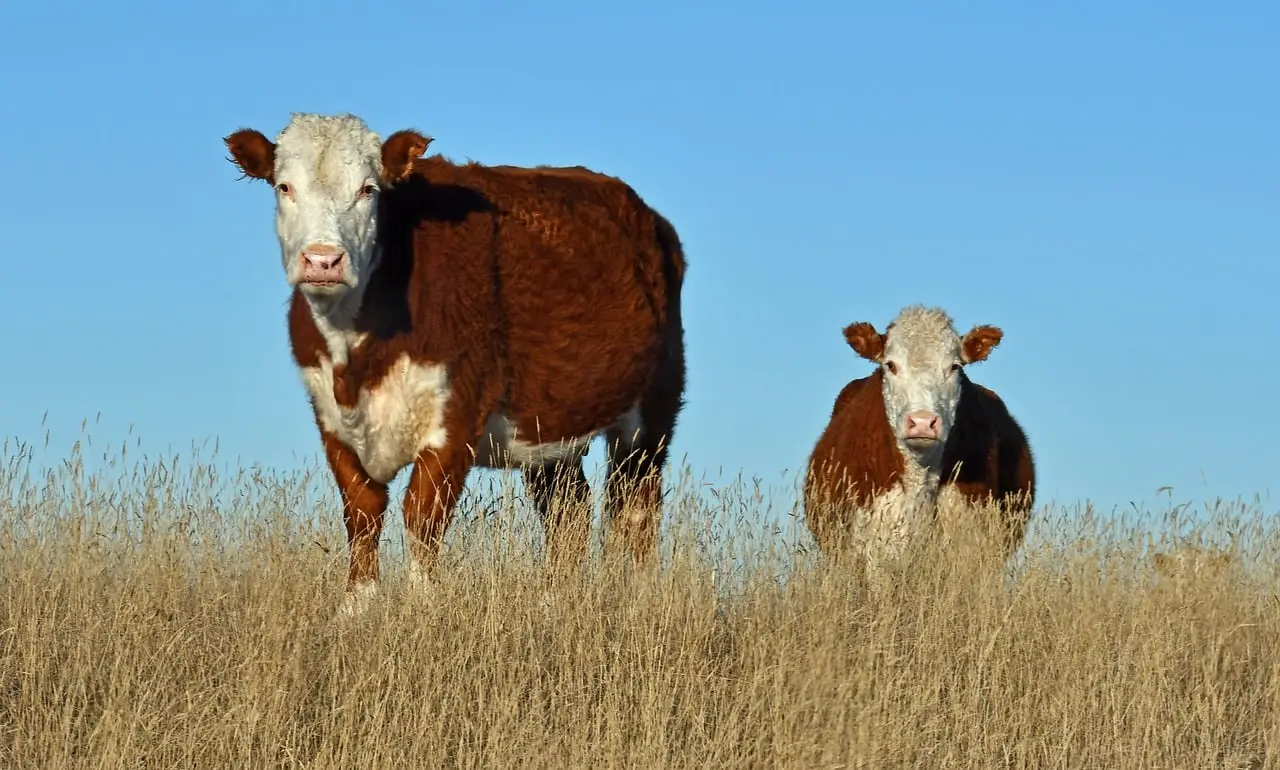
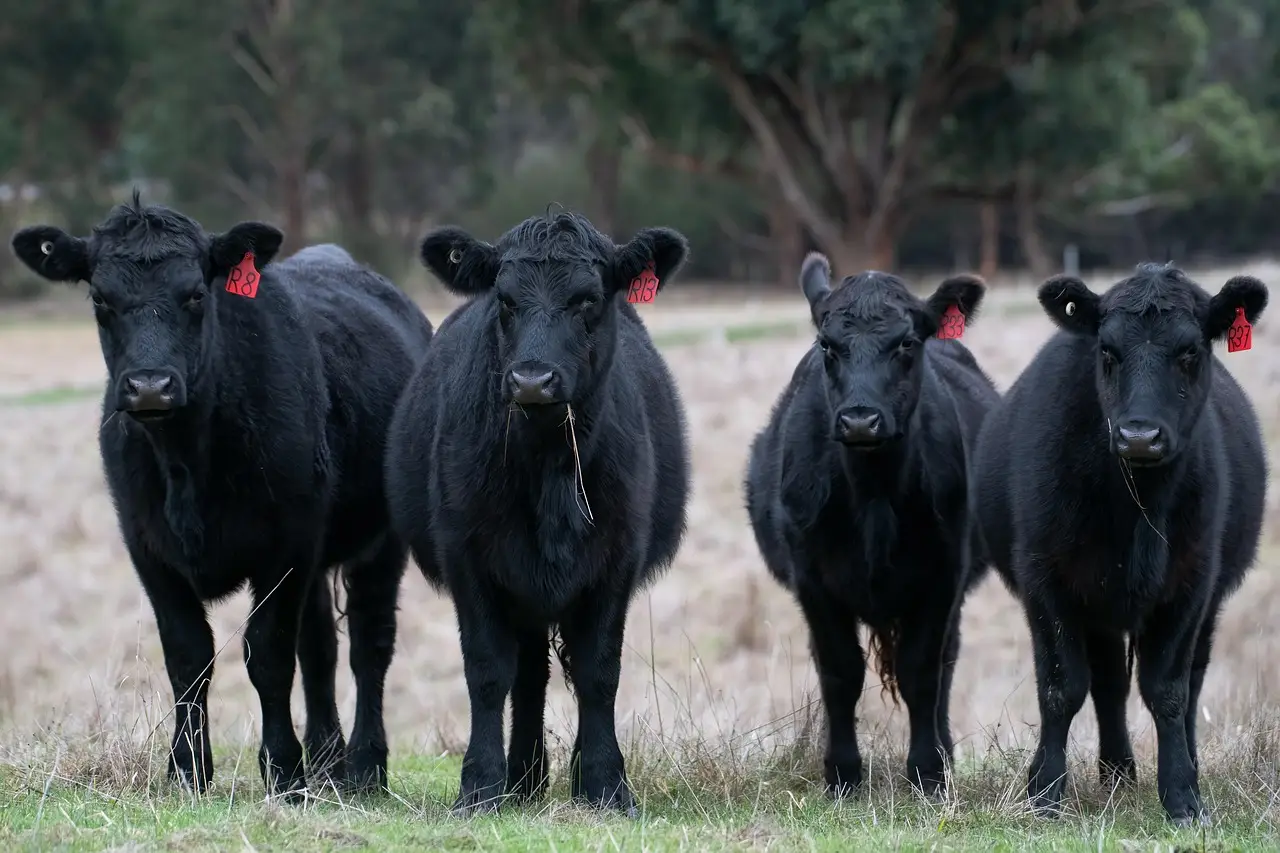
Ground beef averaged $6.79 per pound in September, up from $3.89 in January 2020 and the highest level in decades, according to US Labor Department data. The cause is structural: America's cattle herd is the smallest it has been in 75 years, a contraction with roots in drought and input costs that no menu-price lever can quickly reverse.
For operators, the read is straightforward. Beef cost relief is not a 2026 story. It may not even be a 2027 story.
Why can't supply respond to record prices?
"A car plant can put more workers on extra shifts, but we can't immediately make more beef," said Jeffrey Dorfman, a professor of agriculture at North Carolina State University.
The biology sets the clock. "Once you reduce herd size, it takes about three years to build it back — two years to grow a cow to a point it can get pregnant and then about nine months for it to gestate," he said.
His verdict on grocery-store pricing: "If prices go back down at grocery stores, it's not likely to be before that three-year period."
What shrank the herd?
Recent major droughts, including a 2022 event that scorched pastures from Montana to Oklahoma, drove feed costs sharply higher. Without grass, ranchers spent more on hay and downsized their herds.
Jessie Jarvis, a third-generation rancher from Idaho and host of the agriculture podcast Leaders of the West, pointed to land, fertilizer and fuel costs alongside "factors outside of our control like Mother Nature."
"It's obviously very frustrating for consumers because there's not one magic lever that can be pulled to fix it," Jarvis said. "Beef has the highest demand of almost any grocery store product."
She agreed prices need a "minimum" of three years to fall. Her arithmetic matches Dorfman's: a cow must reach breeding age, gestate for nine months, wean the calf, and raise it to processing weight before it enters the food system.
What does the production forecast say?
US beef production for 2027 is forecast at 25.31 billion pounds, roughly a 1% decline from 2026, per the agricultural website agproud.com. Even at forecast levels, the trend runs flat to down.
That matters for restaurant economics. Food is the most visible inflation signal consumers track, Dorfman noted. "We don't get upset if the price of socks goes up because we buy them once a year. The things we really care about are the price of food — because we go to the grocery store once or twice a week."
A hamburger has become a shorthand for cost-of-living frustration, and it is reportedly a fixation of the Trump administration. Political attention, however, does not shorten a bovine gestation.
What should operators expect?
Beef-heavy menus face sustained commodity pressure with no near-term relief valve in domestic supply. The price of steak and ground beef hit record highs, per federal data and farmer accounts, and the 2027 production forecast points down, not up.
Expect menu engineering around portion sizes, blends and center-of-plate alternatives to remain the operating playbook until the herd rebuilds — a rebuild that starts, at the earliest, three years from now.
More from Rebecca Stone
Show full bio
Senior reporter covering technology and product news in Restaurant and hotel operations at The Pass Brief.
760 articles