Dreamland Barbecue CEO Points Beyond Restaurant Walls for Growth
Dreamland Bar-B-que's CEO says the chain's biggest growth opportunity lies beyond restaurant walls, pointing to off-premise channels over new unit construction.
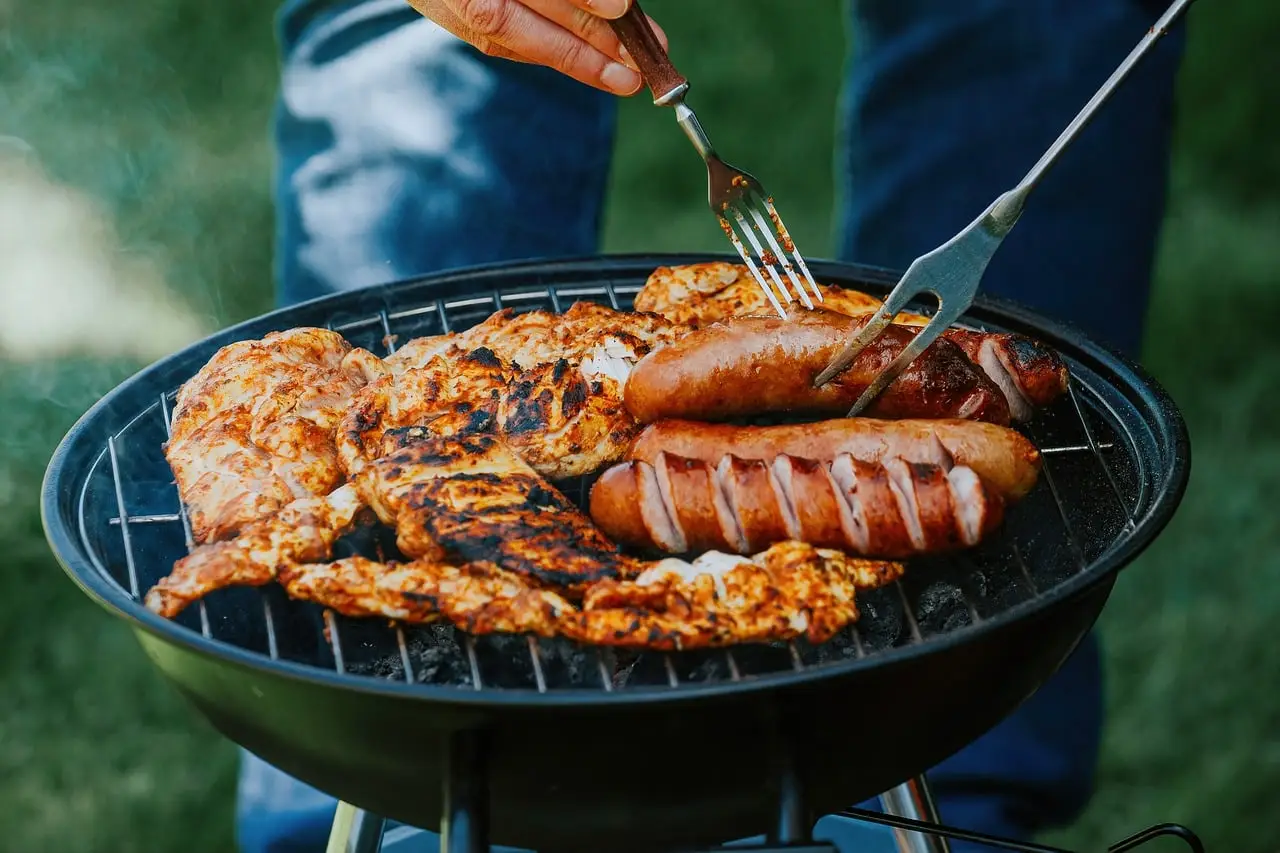
Dreamland Bar-B-que's chief executive has identified expansion beyond the four walls of the restaurant as the company's single biggest growth opportunity, a shift that moves the Alabama-based barbecue chain's focus toward channels where sales do not require additional dining rooms.
The CEO's framing, reported by The Business Journals, reframes the growth question for a regional operator: not how many more locations to build, but how many more occasions to capture from existing kitchens. That distinction matters for unit economics. Dining-room expansion carries construction cost, added labor and longer payback periods. Off-premise growth — catering, retail products, delivery and wholesale distribution — leverages capacity the company already operates.
What does this change for a regional barbecue chain?
For an operator of Dreamland's profile, the answer is capital allocation. Money that would have funded new bricks-and-mortar units can instead support packaging, catering infrastructure, third-party delivery relationships or grocery placement of branded sauces and meats. Each of those channels carries a different margin structure. Catering typically runs higher average tickets with lower per-order labor. Retail products trade restaurant margins for volume and distribution reach.
Barbecue has particular advantages off-premise. Smoked meats hold and travel better than most menu categories, and Dreamland's ribs and sauce line already carry brand recognition in its home market. A consumer who cannot reach a restaurant can still buy the product — a dynamic the pandemic pushed every operator to test.
Why the 'beyond the walls' signal matters now
When a CEO names off-premise as the top opportunity rather than one of several, it usually signals where the next budget cycle goes: marketing spend, staffing and product development follow that priority. For franchise or licensing arrangements around packaged goods, it can also mean new royalty streams that do not depend on restaurant-level performance at all.
The full scope of Dreamland's plan — which channels it will fund first, in which markets, and on what timeline — was not detailed in the report. What is clear is the direction: the company sees more upside in selling its barbecue through channels it does not have to build than in adding seats.
More from Elena Vasquez
Show full bio
News editor covering people, launches and day-to-day practice in Restaurant and hotel operations at The Pass Brief.
502 articles