Uber's ezCater Acquisition Puts Restaurant Catering Economics in Play
Uber's acquisition of ezCater concentrates corporate catering demand under one roof, and operators fear commission stacking and eroding leverage across off-premise channels.
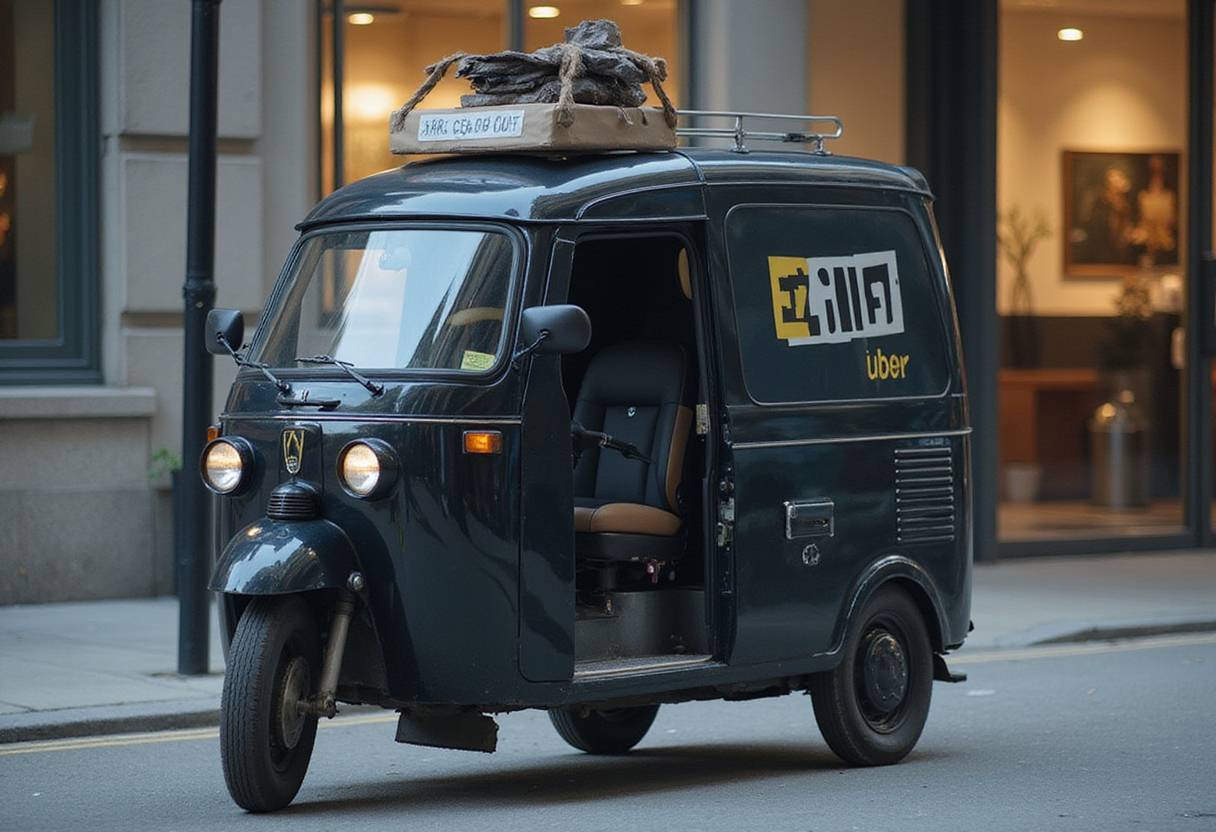
Uber has agreed to acquire ezCater, the corporate catering marketplace, and restaurant operators are already asking who pays for the consolidation. Restaurant Business Magazine framed the deal as one that "raises questions, and some concerns, for restaurants." The concerns are economic, not culinary.
The transaction folds one of the largest dedicated office-catering platforms into the company that already owns Uber Eats and, through prior acquisitions, the delivery service Postmates. That places a significant share of a restaurant's catering demand funnel — ordering, delivery logistics, and payment — under a single corporate roof.
What does the deal consolidate?
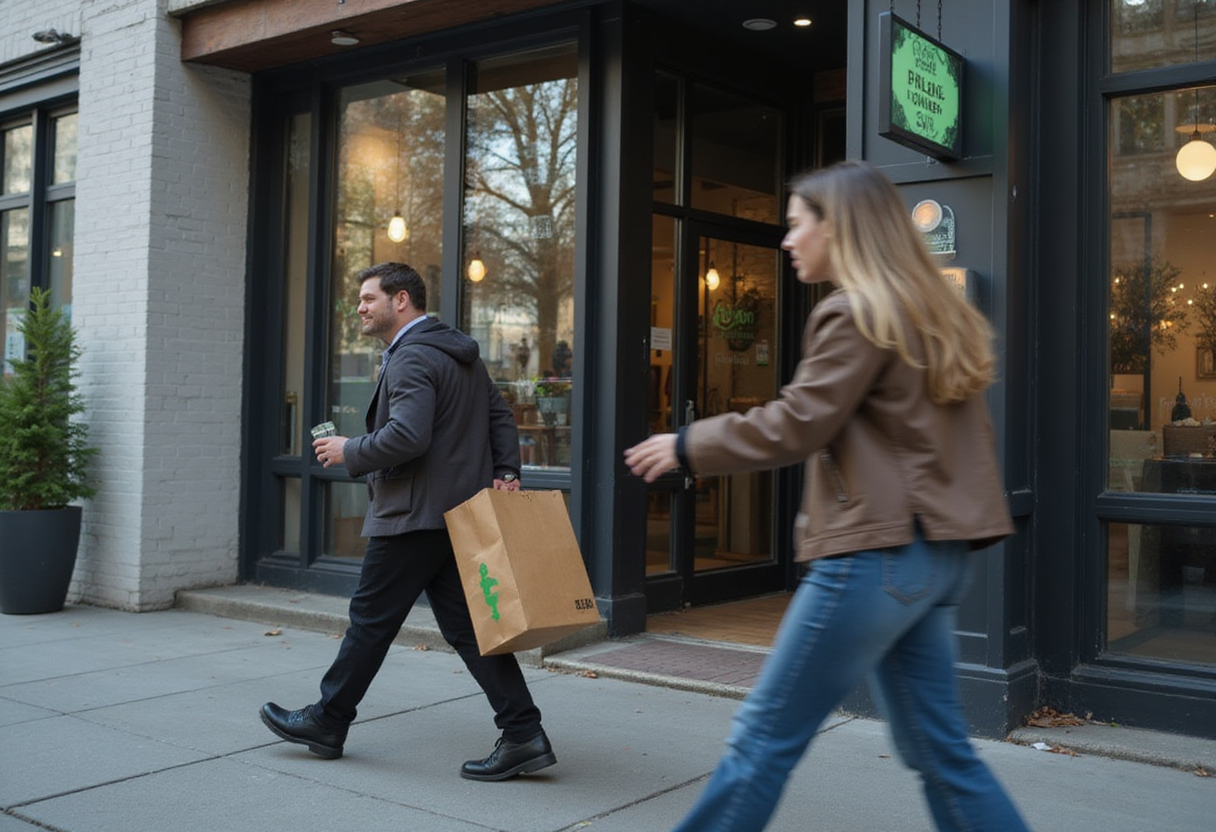
ezCater operates as a marketplace connecting businesses with restaurants for group orders and corporate catering. That channel matters to operators because catering checks typically run far larger than individual delivery orders, and because corporate orders skew toward weekdays — hours when dining rooms sit half-empty and labor is already on the clock. Catering revenue, in other words, tends to arrive with favorable incremental margins. It uses kitchen capacity that exists anyway.
Uber's interest is straightforward. Corporate food ordering is one of the last high-value delivery segments where Uber Eats does not hold a dominant position. Consolidating it under one platform gives the company a stronger claim on workplace food budgets.
Why are restaurants concerned?
The concern is commission stacking. Restaurants already pay platform fees on marketplace orders. If corporate catering demand migrates into an Uber-controlled environment, operators fear they will face a single gatekeeper across multiple order streams, with limited leverage to negotiate rates. Restaurant Business's reporting captures exactly that worry: the deal concentrates too much of the ordering infrastructure in too few hands.
There is a second, quieter question. ezCater built its business partly on reliability guarantees and structured corporate billing — features restaurants did not have to build themselves. If those features get absorbed or re-platformed, operators may lose a channel that worked well and gain one that looks more like a standard delivery app, with standard delivery economics.
Who holds the leverage now?
The honest answer is that restaurants hold less of it than they did last week. A platform that controls consumer delivery, grocery delivery, and corporate catering can set terms across a restaurant's entire off-premise business. Multi-platform operators can shift volume. independents cannot. The deal will be felt most sharply at independents and small regional groups that rely on ezCater for weekday corporate volume and lack the scale to bargain.
Restaurant Business's reporting signals that industry reaction is split between cautious interest and genuine unease. Interest, because Uber's logistics network could expand catering delivery range. Unease, because consolidation has rarely lowered commission rates for anyone paying them.
What happens next?
Regulators may examine the transaction, as they have examined other food-delivery consolidations, though antitrust scrutiny of two-adjacent-market deals remains uncertain. In the meantime, operators would be wise to audit their catering mix: how much revenue arrives through ezCater, what those orders cost to fulfill, and what happens to that math if commission structures change under new ownership. The restaurants that ran those numbers before the deal closed will negotiate better than the ones who run them after.
More from Rebecca Stone
Show full bio
Senior reporter covering technology and product news in Restaurant and hotel operations at The Pass Brief.
343 articles