Restaurants Are Shrinking Footprints to Win Back Diners
Operators are shrinking store footprints to cut buildout and occupancy costs, betting compact formats paired with off-premise volume can restore unit economics.
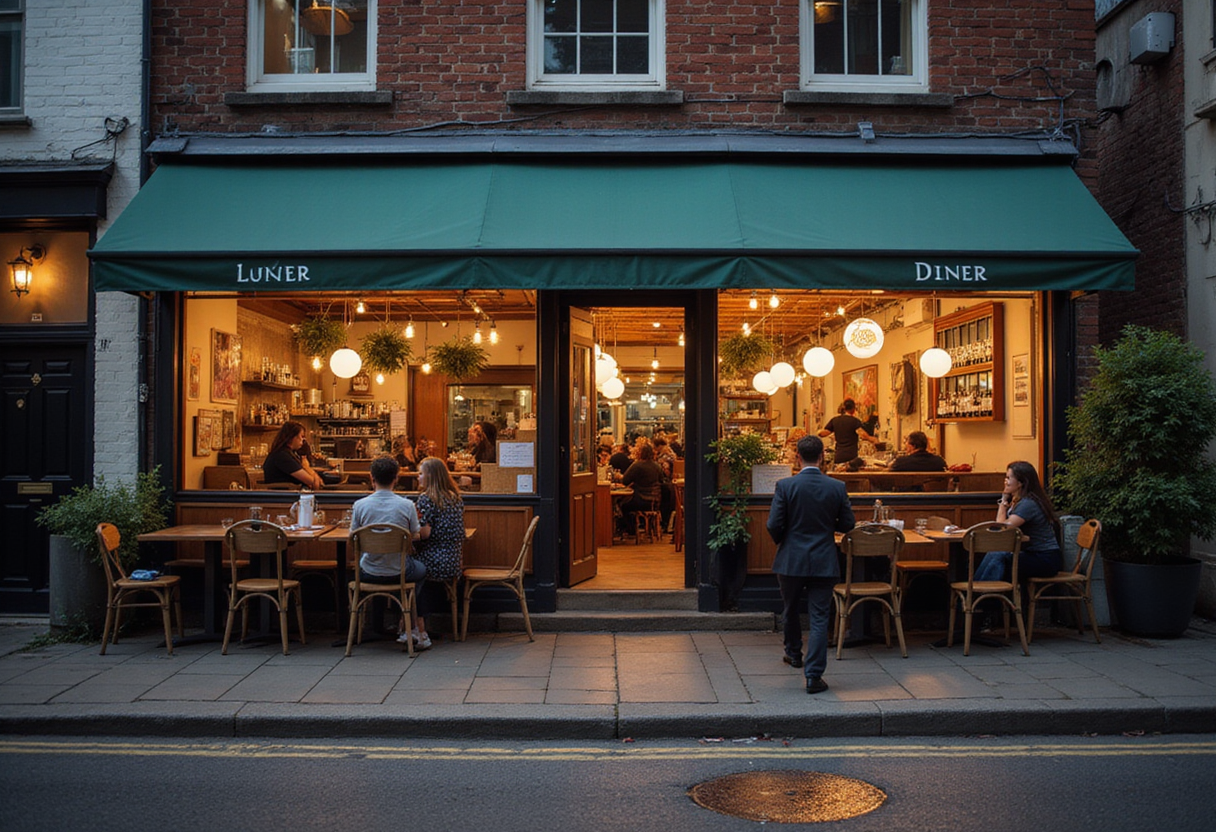
Restaurants across the country are going smaller to lure diners back through the door.
The strategy is straightforward: cut the square footage, cut the buildout cost, and keep the sales. Operators betting on compact formats are working the same basic equation that has always governed unit economics — revenue per square foot against rent, labor and construction debt.
Smaller footprints change the math in several places at once. Construction costs drop. So do ongoing occupancy costs, which for many full-service restaurants rank among the largest fixed expenses on the P&L after food and labor. A tighter box also tends to mean fewer seats to staff and a service model built around throughput rather than dwell time.
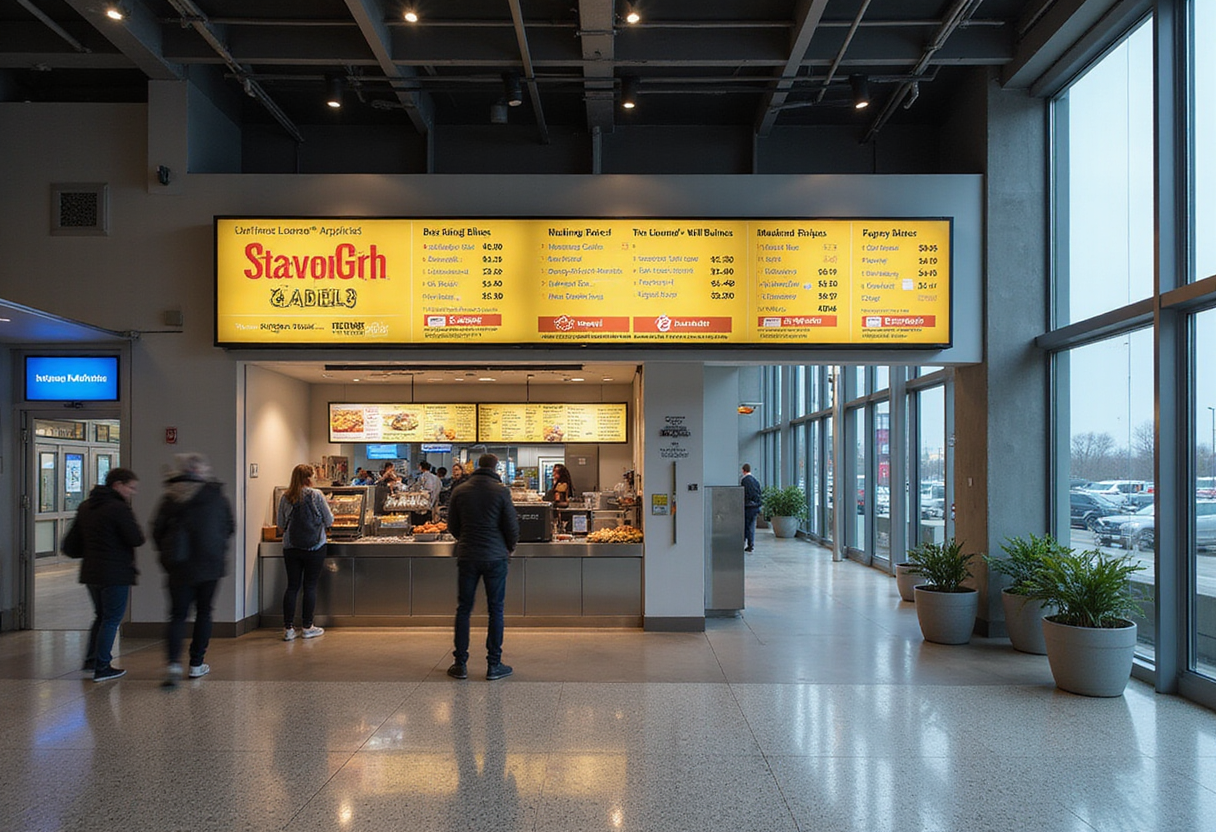
What the smaller format gives up in dining-room capacity, operators aim to replace with off-premise volume — takeout, delivery and drive-thru or pickup windows. In a compact store, digital and catering orders don't compete with table turnover for space; they become the reason the space works.
The trend connects directly to menu engineering. A smaller kitchen forces a tighter menu, which in turn can mean fewer SKUs, less waste and simpler prep labor — levers operators can pull faster than price in a soft traffic environment.
For chains, the format question also touches the franchise model. A lower buildout cost lowers the barrier for new franchisees and opens trade areas — urban infill, small towns, nontraditional sites — where a full-sized prototype would never pencil. Company-operated units in expensive metro markets face the same test from the rent side.
Industry analysts have tracked the shift toward smaller prototypes across fast food and fast casual for several years, and the pullback in dining-room-heavy formats accelerated after the pandemic reshaped mix toward off-premise. Operators now sizing next-generation stores are designing for the channel split they actually run, not the one their dining rooms were built for two decades ago.
The bet carries risk. Fewer seats means less capacity to capture peak-hour demand in markets where dine-in still carries the check average. And a format optimized for carryout can be hard to walk back if guest behavior shifts again.
Still, with traffic under pressure and capital costs elevated, shrinking the box remains one of the clearest levers operators have. Expect more chains to disclose compact prototypes in the coming development cycles as they chase lower opening costs and faster payback periods.
More from Daniel Okafor
Show full bio
Correspondent covering consumer brands and retail at The Pass Brief.
48 articles