Bengston's Pumpkin Farm E. coli Outbreak Grows to Seven Confirmed Cases
Seven confirmed STEC cases are now linked to a Homer Glen, Illinois pumpkin farm, with a baby goat's bacteria matching the outbreak strain and 159 probable cases under review.

The Bengston's Pumpkin Farm E. coli outbreak now stands at seven lab-confirmed cases, up from five when the Will County Health Department (WCHD) in Illinois first announced the investigation in late October. The farm operates in Homer Glen, Illinois, and the update adds two new confirmed Shiga toxin-producing E. coli (STEC) infections to the tally.
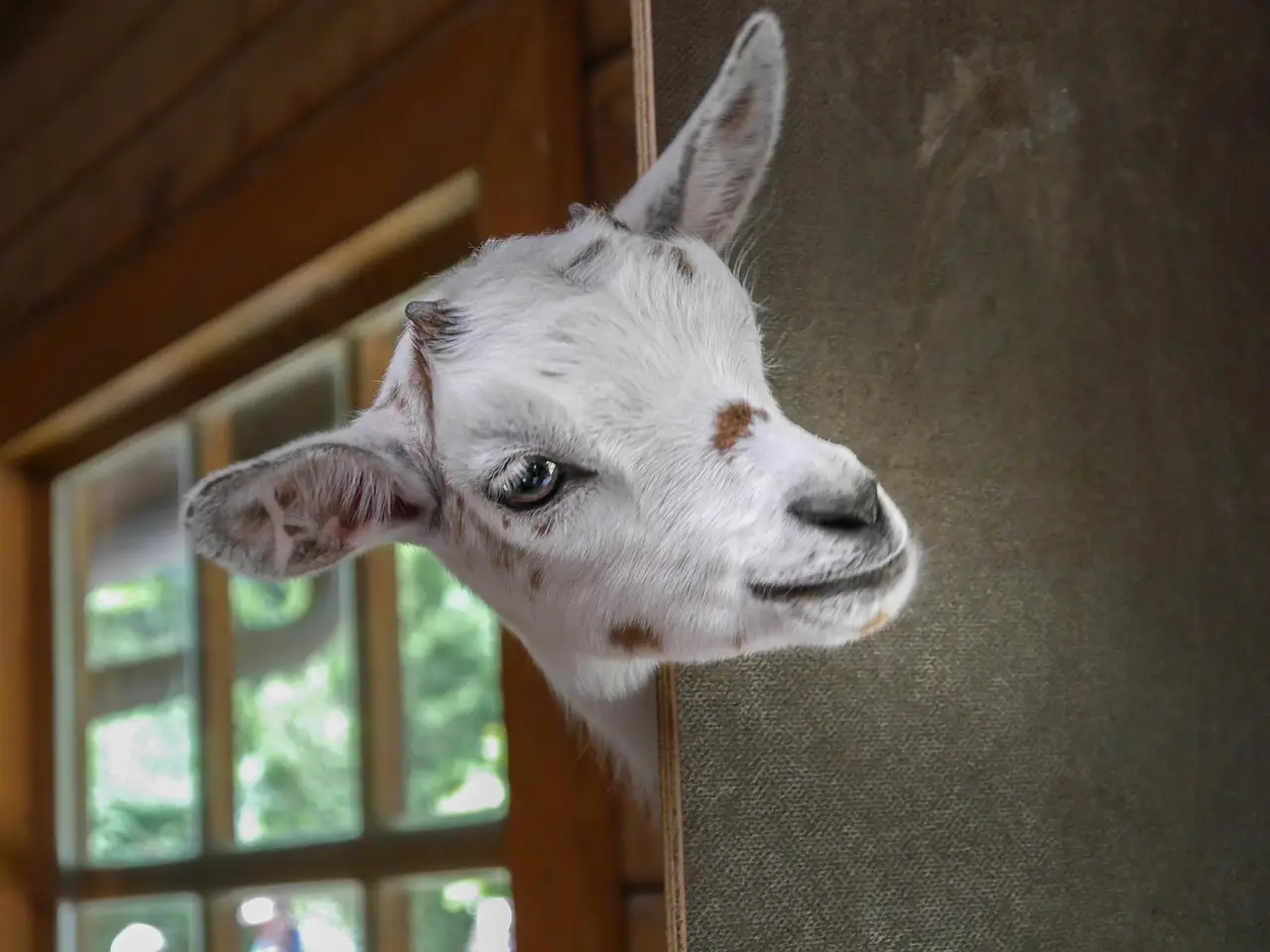
The investigative breakthrough came from whole genome sequencing (a lab method that compares bacterial DNA fingerprints). It found a close genetic link between patient isolates and bacteria collected from a baby goat at the farm's petting zoo. That genetic match points to a single exposure source for the people who fell ill.
Sean Conners, Director of Environmental Health at the Will County Health Department, said in a statement: "These test results provide an important link in our investigation. While E. coli bacteria are commonly found in animals, our testing identified a close genetic match between bacteria from confirmed human cases and a baby goat at the petting zoo."
Conners also cleared the farm's food side. "We also thoroughly reviewed food service operations at the farm and did not identify any concerns," he said.
Why the goat is the prime suspect
Ruminant animals such as goats and cows routinely carry E. coli in their guts without becoming sick themselves, because they lack the cellular receptors the pathogen uses to attach to the body's cells. Samples from several animals in the petting zoo tested positive for STEC. Only the baby goat's bacteria, however, closely matched the outbreak strain.
How large is the true case count?
The confirmed cases understate the scale. WCHD received 270 responses to its confidential health survey from people who visited the farm and reported getting sick. Of those respondents, 159 were classified as probable cases — meaning they had a connection to the source and experienced symptoms but did not undergo lab testing.
That brings the potential outbreak total to 166 confirmed or probable illnesses.
Did the farm follow protocol?
Public health officials visited and inspected the farm. Signs at the petting zoo entrance and exit stressed hand washing, prohibited eating food around the animals and instructed visitors to leave strollers and wagons outside. Handwashing stations were present at the exit.
Compliance, in short, was not the problem. The department's own account of the inspection reads like a checklist done right, and the outbreak happened anyway.
The reason is arithmetic. As few as 10 E. coli bacteria can cause infection, and the bacteria can go airborne, making exposure extremely difficult to avoid around animals actively shedding STEC. For agritourism operators running petting zoos alongside fall-season pumpkin and food sales, the case is a reminder that animal contact areas carry an inherent contamination risk that signage alone cannot eliminate.
What should visitors do?
Anyone who visited Bengston's Pumpkin Farm in October and experienced symptoms of a STEC infection, or of hemolytic uremic syndrome (HUS) — a complication of the illness that causes a form of kidney failure — should see a doctor, the department advises. Such individuals may be part of this outbreak.
The investigation remains with WCHD, and further confirmed cases are possible as testing catches up with the survey's 159 probable cases.
More from Rebecca Stone
Show full bio
Senior reporter covering technology and product news in Restaurant and hotel operations at The Pass Brief.
654 articles