Five E. coli Cases in California Put Fall Agritourism Safety on Notice
Five E. coli cases in San Luis Obispo County linked to a farm attraction highlight pathogen risks at pumpkin patches, petting zoos and temporary food stands.
Public health officials in San Luis Obispo County, California, are investigating five cases of Shiga toxin-producing E. coli with a possible connection to Brookshire Farms, a seasonal agricultural attraction. Several children have reportedly become severely ill. The farm has voluntarily closed and is cooperating with investigators, though the source of the infections has not been established.
That distinction matters. A suspected association does not establish causation, and investigators need room to follow the evidence. But the case raises questions that reach well beyond one farm.
What does a pumpkin patch actually expose visitors to?
Agritourism destinations combine livestock, food service, shared equipment and large crowds in a single property. A working farm manages agricultural hazards; hosting hundreds or thousands of visitors, especially young children, creates an entirely different set of responsibilities.
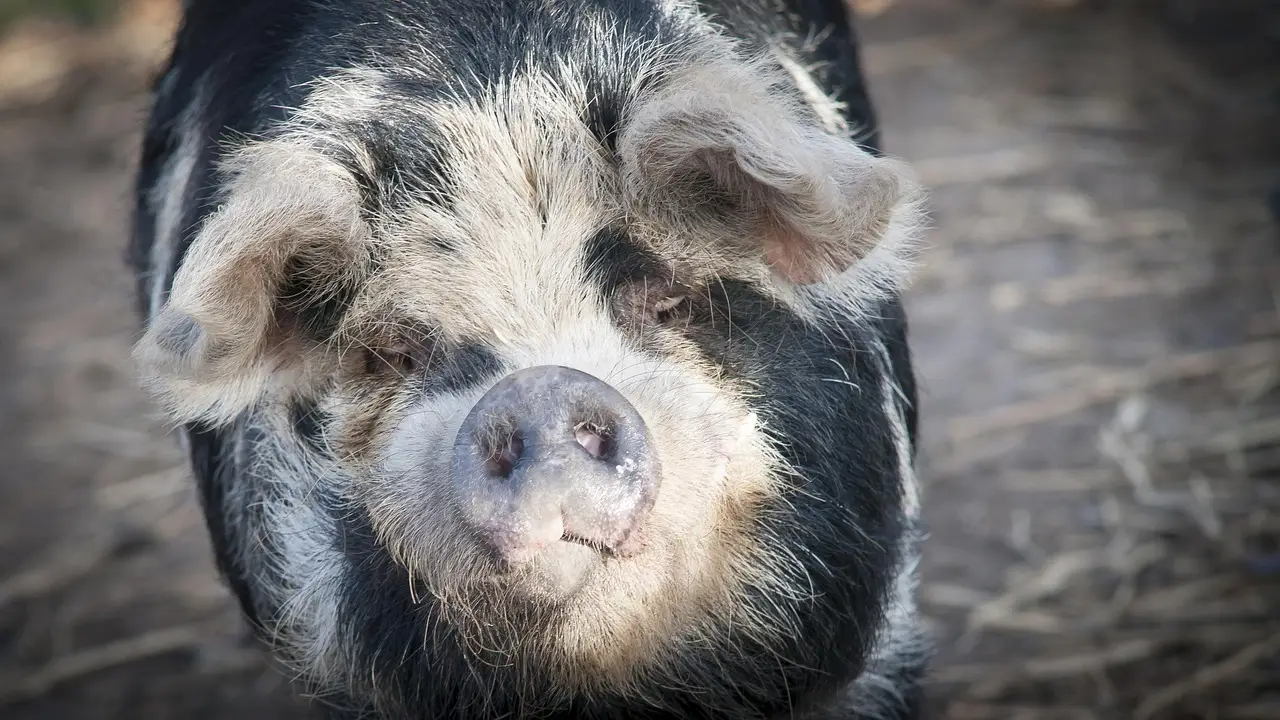
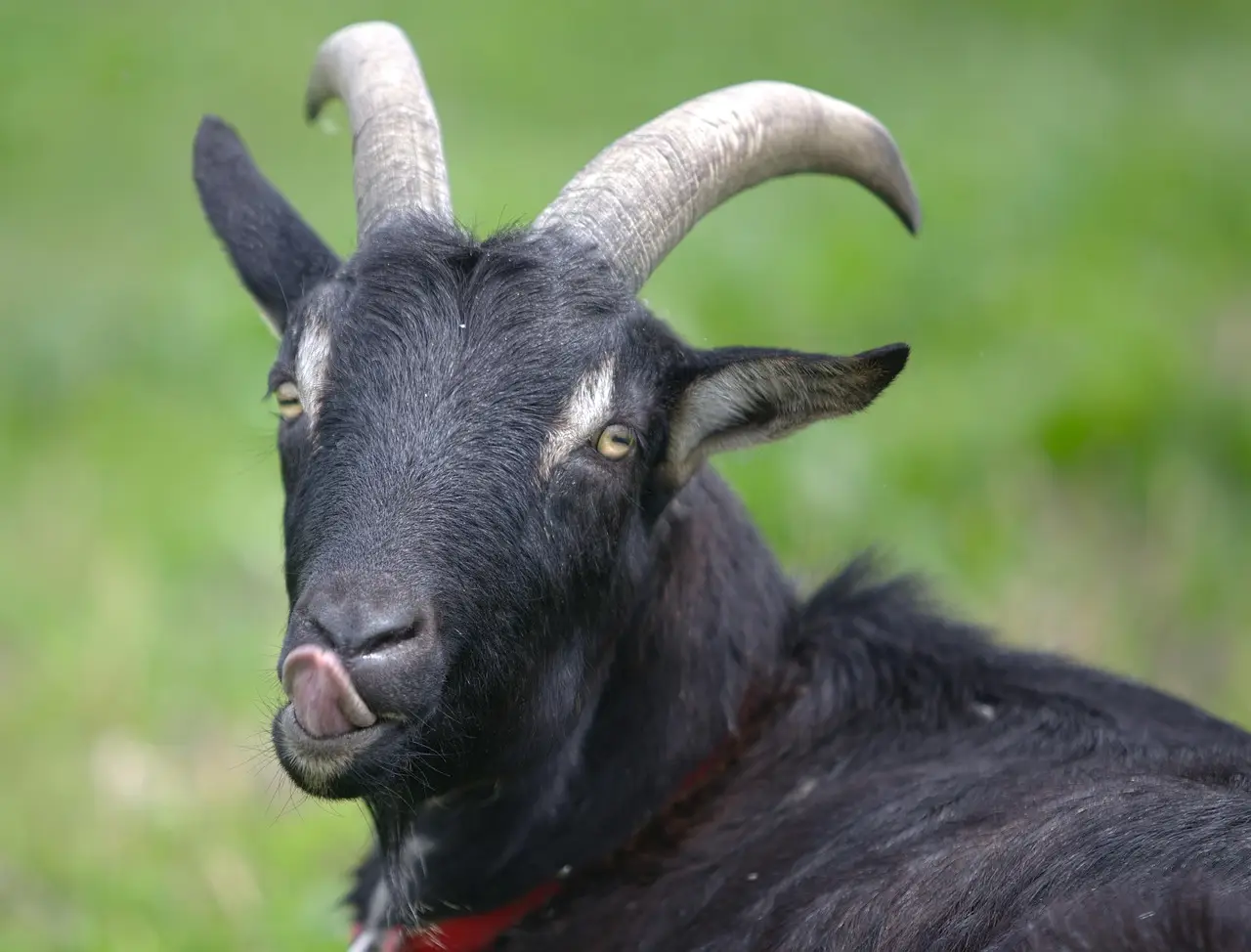
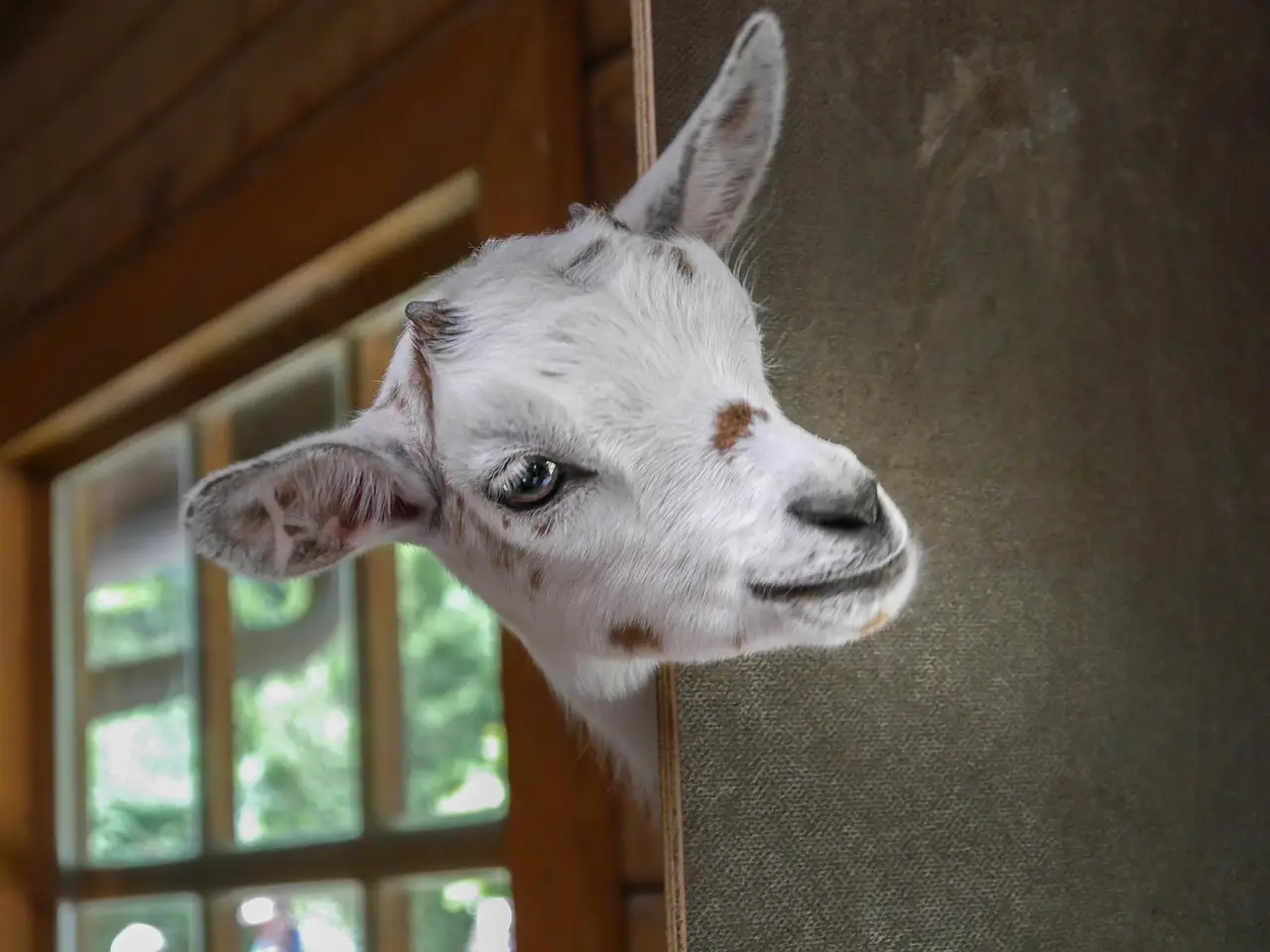
Cattle, sheep and goats can carry Shiga toxin-producing E. coli without appearing sick. Other animals may carry Salmonella, Campylobacter or Cryptosporidium, a parasite that causes severe gastrointestinal illness. Transmission doesn't require direct animal contact — pathogens persist in manure, soil, bedding, fencing and gates, and travel on shoes, stroller wheels and hands.
A child can touch a fence, climb into a stroller and eat a cookie minutes later. That sequence is a complete exposure pathway. Young children are especially vulnerable because they touch their faces, put fingers in their mouths and play close to the ground — predictable behaviors that attraction design should anticipate, not parenting failures.
Where does the temporary food stand fit in?
The same property often runs a temporary grill or concession trailer serving hamburgers, hot dogs, caramel apples or fresh cider. Temporary doesn't relax the rules. Under the FDA Food Code:
- Ground beef requires cooking to 160 degrees F; poultry to 165 degrees F.
- Cold foods must stay at 40 degrees F or below.
- Hot foods must be held at 135 degrees F or above.
Employees still need handwashing facilities, safe water, clean utensils and cross-contamination procedures while serving long lines. Many temporary vendors do this well, but temporary facilities introduce challenges around refrigeration, temperature control, potable water, sanitation, waste disposal and hygiene — and risks compound when visitors move directly from petting zoos into eating areas.
Even bobbing for apples draws scrutiny: shared water can accumulate saliva, nasal secretions and microorganisms, creating person-to-person transmission opportunities when the water isn't replaced. Safer formats — individual containers or games without shared mouth contact — preserve the activity while removing the exposure.
What does the outbreak record show?
The concerns are documented, not hypothetical. In 2004, an E. coli O157:H7 outbreak tied to a petting zoo at the North Carolina State Fair sickened more than 100 people, including children who developed hemolytic uremic syndrome (HUS), a complication that can cause kidney failure, brain damage or death.
The 1996 Odwalla juice outbreak, which killed a child, pushed changes in federal juice safety requirements. And in 2025, the CDC published an analysis of animal-contact outbreaks reported between 2009 and 2021: 557 outbreaks, 14,377 illnesses, 2,656 hospitalizations and 22 deaths — figures spanning multiple settings, not only agritourism.
Not everyone faces the same consequences. Young children face elevated risk of STEC-associated HUS; older adults face complications and dehydration; pregnant women face Listeria monocytogenes, which can cause pregnancy loss or severe newborn illness; immunocompromised visitors may suffer prolonged or severe illness. A family-friendly destination, the argument runs, must set its standard of protection by the people most likely to be harmed, not those most likely to recover.
What should operators do before opening day?
CDC and public health veterinary guidance already emphasizes handwashing, separation of animal and eating areas, visitor education and environmental controls — and hand sanitizer alone is not an adequate substitute for handwashing with soap and running water in animal-contact settings.
The gap is implementation across seasonal operations. The prescription: comprehensive property-wide risk assessments before each season covering animal exhibits, pony rides, food vendors, cider operations, shared activities and visitor traffic patterns; practical training for seasonal staff; and readiness to cooperate with authorities and communicate transparently when illness is reported. Local regulators, in turn, should examine whether oversight systems address businesses that blend agriculture, entertainment, animal contact and food service.
Agritourism has become a real revenue engine — pumpkin patches are now seasonal entertainment complexes with restaurants, rides and festivals. Each added attraction extends the operator's obligations beyond traditional farming. The measure of a fall festival's success, on this view, isn't pumpkins sold or pony rides completed, but whether every family returns home healthy — and with investigations like San Luis Obispo County's still open, that standard is likely to draw more regulatory attention in seasons ahead.
More from Olivia Hart
Show full bio
Staff writer covering regulation, policy and their impact on Restaurant and hotel operations at The Pass Brief.
565 articles