FDA Plans First Infant Formula Update in 30 Years as Outbreaks Continue
Kennedy announces first infant formula nutrient update in 30 years with no rule published, while E. coli outbreaks hit two pumpkin farms and Italy bans raw tomatoes.

The first update of infant formula nutrient requirements in 30 years is coming, according to Health and Human Services Secretary Robert F. Kennedy Jr. What the announcement didn't contain is just as notable: no new standards were identified, and it didn't address dozens of cronobacter and botulism cases that have sickened babies since 2021. The FDA is accepting public comments on a proposed rule, but it hasn't made that rule public yet — an unusual sequencing that leaves operators and manufacturers without anything concrete to comply with.
That announcement headlined a busy stretch across the food safety arena, with active outbreaks, an imported ban, and new risk-assessment research all moving at once.
Where are the active E. coli outbreaks?
Two separate outbreaks are touching agritourism operations. Thirteen cases of Shiga toxin-producing E. coli may be linked to a pumpkin patch in California's San Luis Obispo County. Brookshire Farms has closed while public health officials investigate the source.
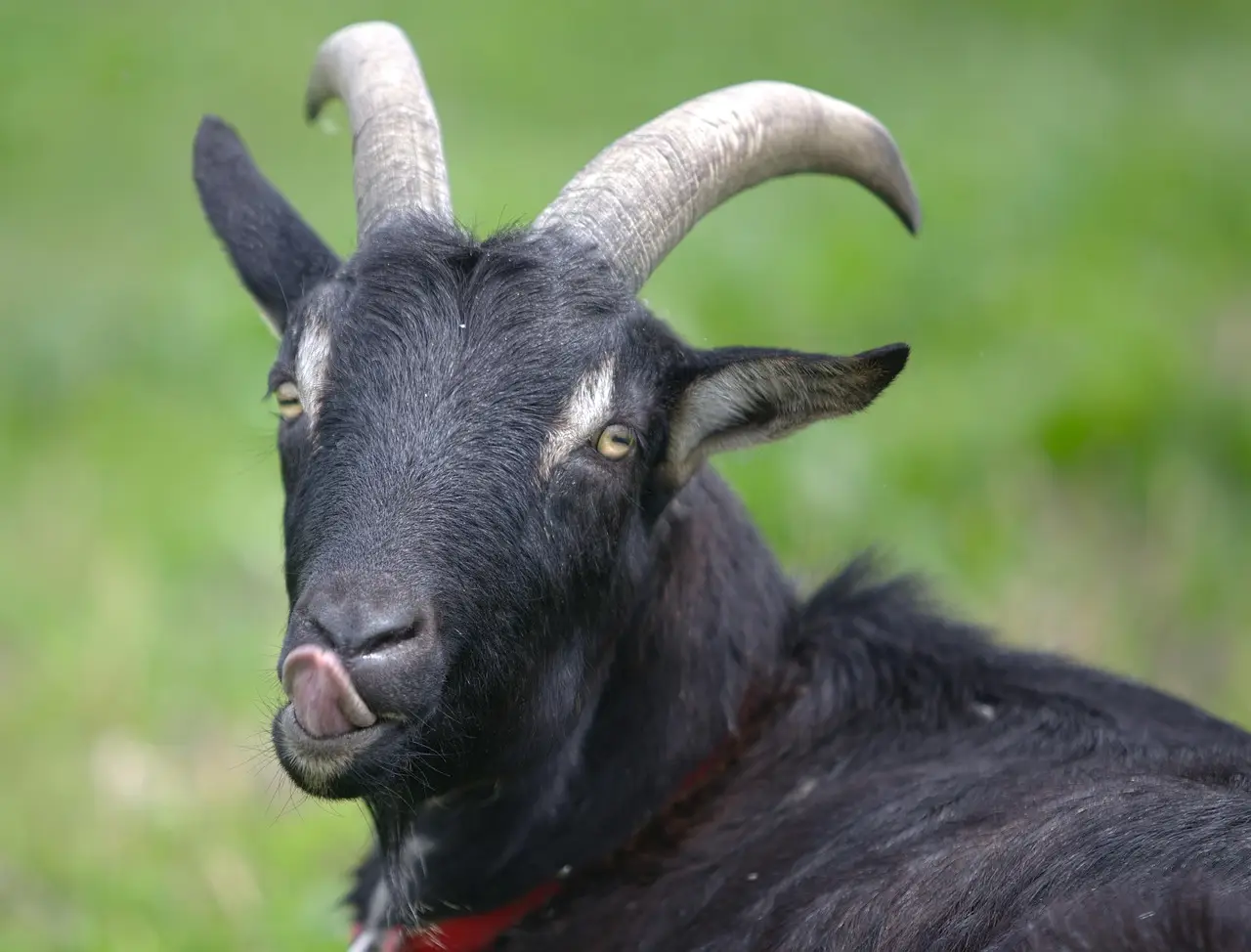
Farther east, a petting zoo at a pumpkin farm in Homer Glen, Illinois, is also closed. Five children were hospitalized with E. coli infections there, and all five had visited the farm before falling ill. For fall agritourism operators, the pattern is a familiar one: animal contact plus fresh produce plus young visitors is a combination investigators trace over and over.
The FDA has also declared an E. coli outbreak tied to chicken wraps over, though its work isn't finished. The agency hasn't named Trader Joe's as the source, but the USDA's Food Safety and Inspection Service confirmed that connection to USA Today. The FDA is still tracing ingredients and inspecting sites potentially involved, so supply-chain scrutiny continues even with no new illnesses.
What is Italy doing about Salmonella?
A second Italian region has barred the serving of uncooked tomatoes after Salmonella infection reports. Authorities in Emilia-Romagna ordered all public and private food service providers — schools, care facilities, hospitals and nursing homes — to stop using uncooked cherry tomatoes. The scope matters here: it's not a single restaurant group but every institutional feeder in the region. A national task force has been convened to investigate multiple Salmonella outbreaks.
What does the Cornell risk tool change for suppliers?
On the research side, a Cornell University researcher is building a computerized model to standardize how food safety risks are described and assessed during the "last mile" of the supply chain. Martin Wiedmann, Cornell professor and principal investigator, developed a QMRA — quantitative microbial risk assessment — tool that folds physical damage or produce defects into the assessment alongside other food safety risks.
One goal, Wiedmann says, is getting people "more committed to doing more standardized quality assessments." If adopted, the tool would give receivers and distributors a common yardstick for judging whether blemished or damaged produce poses a real pathogen risk, rather than leaving that call to individual judgment.
Hunting season's retail engine
The season itself is a commercial force. About 15.2 million state-licensed hunters are active in the U.S., and twice as many hold fishing licenses. The retail muscle behind them is concentrated in destination stores like Scheels and Bass Pro Shops — the latter of which acquired Cabela's Inc. for $4.5 billion in 2016. During hunting season, couples leaving these "fashion to fishing" stores with his-and-her shotguns are a common sight.
Women are fueling a resurgence in fishing and hunting, and while participation may not reach the peaks of 50 years ago, the demographic shift is reshaping who these retailers serve. Taken together — retail traffic, institutional bans, outbreak investigations and a long-delayed formula rule — the food system's risk and revenue picture is being rewritten on multiple fronts at once, with the FDA's still-unpublished infant formula rule the item most likely to move markets next.
More from Olivia Hart
Show full bio
Staff writer covering regulation, policy and their impact on Restaurant and hotel operations at The Pass Brief.
563 articles