Seven Petitions Ask FDA and USDA to Test, Label and Name
Attorney Bill Marler is filing seven petitions to FDA and FSIS covering botulinum testing, warning labels on raw cheese and sprouts, poultry Salmonella rules and recall transparency. Comments close October 30, 2026.
By Olivia Hart, Senior Editor
Food safety attorney Bill Marler has filed or drafted seven petitions to the FDA and USDA's Food Safety and Inspection Service, asking the agencies to do things they have already promised, already do for some foods, or announced in press releases but never put into regulation. The filing window is live now: comments are due by October 30, 2026, and Marler is soliciting edits from industry, public health groups and opposing lawyers alike.
The seven petitions cover infant formula, raw milk cheese, sprouts, poultry adulteration rules, feedlot sampling, naming implicated firms, and retail recall lists. What does this change for operators? If adopted, several items would directly affect sourcing, labeling and procurement — not just outbreak cleanup.
What would the petitions actually require?
- Botulinum testing in powdered infant formula (FDA). Since 2023, 52 infants have been hospitalized with botulism in the ByHeart and Nara Organics outbreaks, and the organism turned up in a dairy ingredient. Federal rules still only require finished-product testing for Cronobacter and Salmonella. The petition asks FDA to add botulinum neurotoxin-producing clostridia to the testing table at 21 C.F.R. § 106.55(e) and to require testing of dairy-based ingredients. Marler files it with 46 parents of 24 of those infants as co-petitioners.
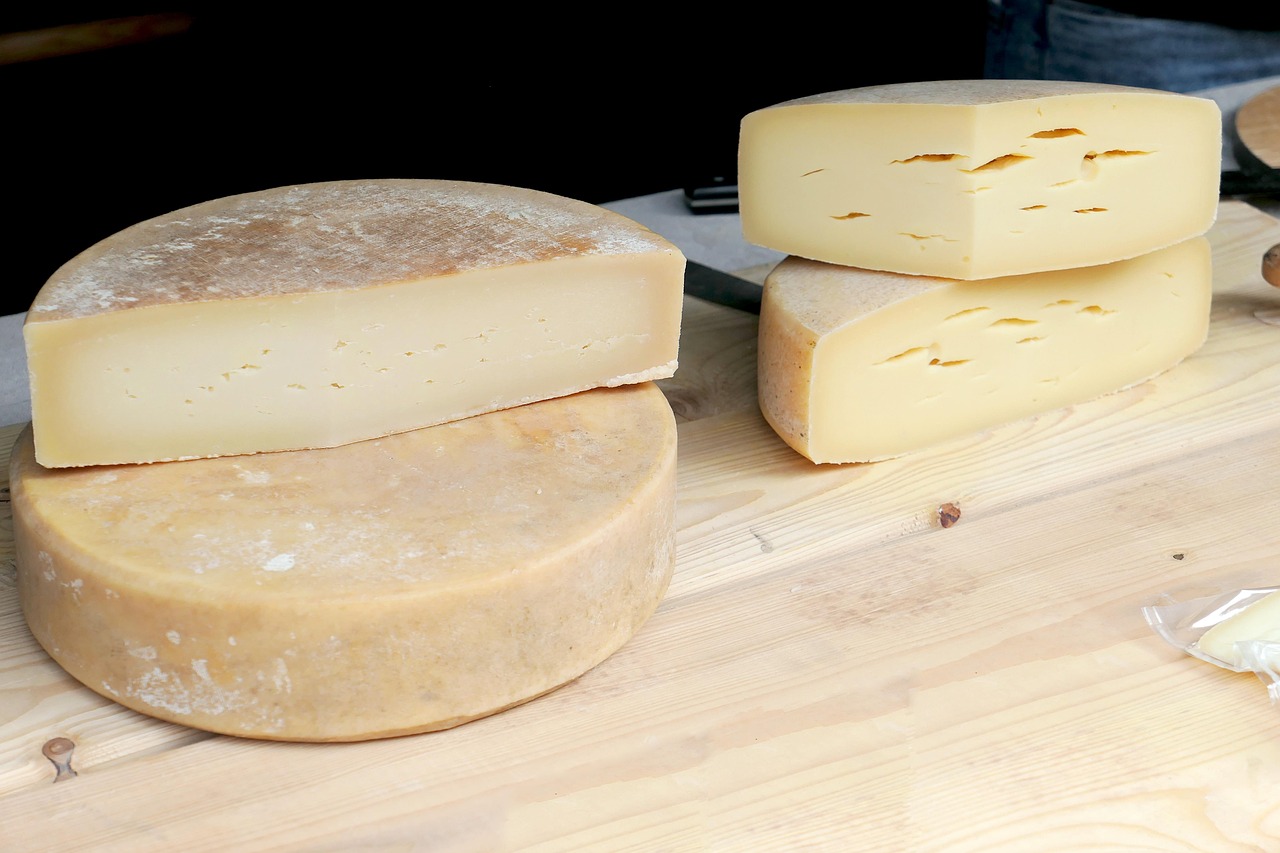
- Warning label on raw milk cheese (FDA). The 60-day aging rule dates to the 1940s, and FDA's own science says it does not reliably kill pathogens — it may make soft-ripened cheese riskier. The petition asks for a prescribed warning modeled on the 1998 juice label, completion of the reevaluation FDA announced in 2013, and validation requirements for cheesemakers relying on aging.
- Warning label on raw and lightly cooked sprouts (FDA). For 28 years FDA has told at-risk consumers to avoid raw sprouts — in guidance and outbreak pages, including the two outbreaks open right now — but never on the package. The petition asks for a prescribed warning on packaged sprouts, including those inside salads, sandwiches and wraps.
- Salmonella as an adulterant in raw ground poultry and chicken parts (FSIS). In May 2024, FSIS declared Salmonella at or above 1 CFU/g an adulterant in breaded stuffed raw chicken products. The broader rulemaking was withdrawn in April 2025 with nothing replacing it. The petition asks for the same 1 CFU/g standard for raw comminuted chicken and turkey and chicken parts — or, at minimum, the verification sampling FSIS announced in 2024 and postponed indefinitely in December 2025.
- Sampling access at implicated feedlots (FDA). After the 2018 Yuma romaine outbreak killed five people, FDA found the outbreak strain in an irrigation canal near a feedlot holding more than 100,000 head of cattle — collected six samples and left. The petition asks FDA to use section 361 of the Public Health Service Act, the same authority behind its 1975 pet turtle rule, for a narrow, triggered, time-limited power to take environmental and animal samples. No seizures, no husbandry rules.
- Naming implicated firms (FDA). On September 10, 2026, FDA closed a 14-person E. coli O157:H7 investigation, named the food as romaine, and named no grower, processor, brand or state — repeating a pattern from an 89-person outbreak 21 months earlier. This month, a 50-person E. coli outbreak tied to "ready-to-eat multi-ingredient chicken wraps" went unnamed too; the public learned the brand from a lawsuit. The petition asks FDA to amend 21 CFR 20.61 so implicated firms are not treated as confidential commercial information.
- Retail consignee lists in Class I recalls (FDA). USDA has published store lists for Class I meat and poultry recalls since 2008; Congress told FDA to consider the same in 2011, and FDA wrote a guidance document instead. The petition asks for published consignee lists — including restaurants, schools and hospitals — at the time of every Class I recall announcement, plus deadlines for classifying every recall.
Why the timing matters
"Every one of these petitions comes back to the same idea," Marler writes. "If the government knows something that would keep people from getting sick, it should test for it, write it down and tell the public. That is not a radical ask. It is the job."
Marler frames the effort bluntly: after more than thirty years suing companies over foodborne illness, he says he has spent this year "trying to put myself out of business."
Several petitions remain drafts, and Marler will email copies to anyone who asks ([email protected]). For suppliers of cheese, sprouts and raw poultry, the practical takeaway is that comment-period participation now is cheaper than compliance arguments later — particularly where FDA and FSIS have already conceded the underlying science in their own documents.
More from Olivia Hart
Show full bio
Staff writer covering regulation, policy and their impact on Restaurant and hotel operations at The Pass Brief.
451 articles