Three States, Ten Confirmed E. coli Cases, and a 22-Year-Old Question About Petting Zoos
Health departments in Illinois, California and Texas opened E. coli investigations tied to animal attractions in one week, prompting a long-delayed answer on petting zoo bans.
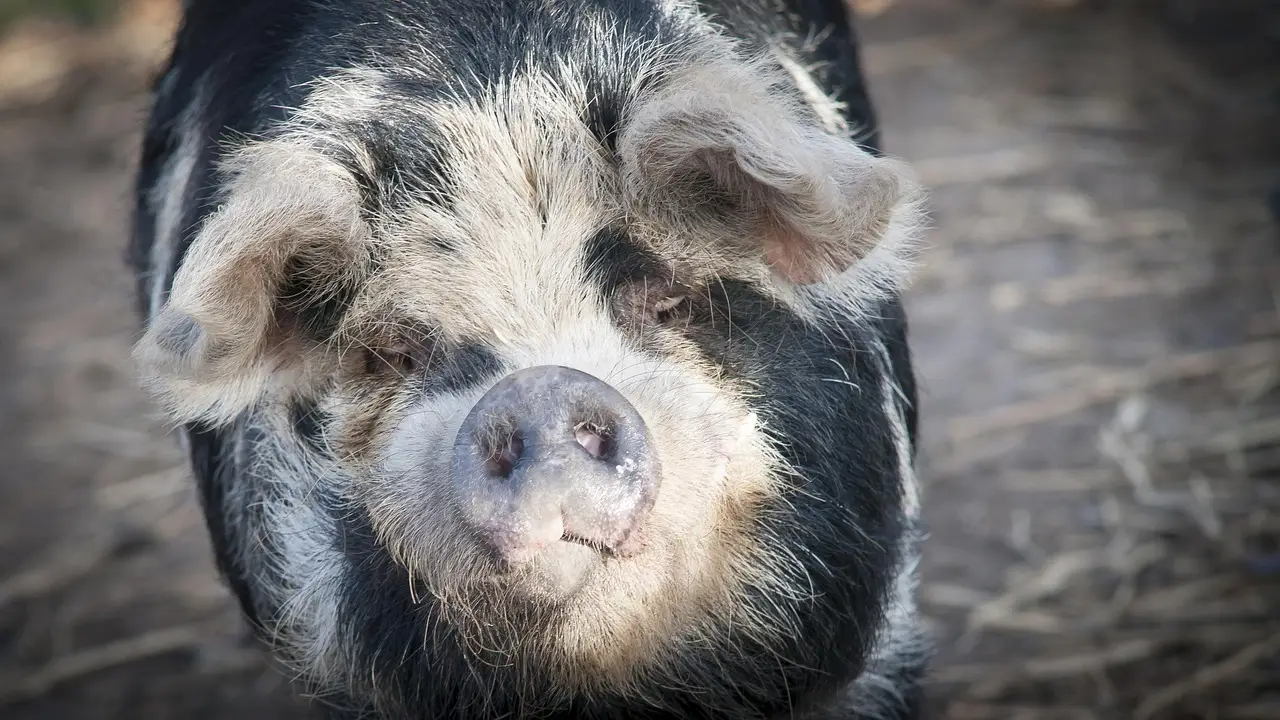
Ten confirmed E. coli cases across three states in five days have forced food-safety lawyer Bill Marler to answer a question he has asked in print since 2004: should petting zoos be banned? Three health departments opened investigations this week into infections tied to animal attractions at fall events, and Marler, publisher of Food Safety News, has now answered himself with a legislative program rather than a ban.
The numbers are concrete. At Bengtson's Pumpkin Farm in Homer Glen, Illinois, five people carry confirmed Shiga toxin-producing E. coli, ages 4 to 38, and four are hospitalized. The petting zoo closed October 23. The farm itself stayed open. More than 200 visitors have completed the county's symptom survey.
At Brookshire Farms in San Luis Obispo, California, five cases are confirmed with an exposure window of October 16 through 26. That farm closed itself. In Dallas, the county is investigating up to seven possible cases in children, some treated in intensive care, and whether they trace to the petting zoo at the State Fair of Texas. The county is not yet calling it an outbreak.
What changed after 22 years?
Marler has posed the ban question four times: in 2004, 2012, 2015 after a toddler died following a Maine fair, and 2019 after a two-year-old died following the San Diego County Fair. His verdict on his own record is blunt. He writes that he has been right about the risk for twenty-two years and mostly wrong about how much signs and guidelines would fix it.
His track record includes several reversals worth noting:
- Signs. A sign reading "Please wash your hands" is wallpaper, he writes. A veterinary Compendium found that risk awareness actually protected visitors at the 2004 North Carolina State Fair. Signs must name E. coli, kidney failure and the under-five risk, in the languages local families speak.
- Guidelines. The CDC issued recommendations in 2001; state public health veterinarians have published the Compendium since 2005. There is still no federal law on disease risk where animals and the public mix, and most states rely on voluntary guidance.
- Testing. He has abandoned his own 2004 and 2015 calls for pre-arrival animal testing. These animals shed intermittently, and in San Diego in 2019 every animal and environmental sample came back negative after a child died.
Laws fail at their weakest line, he argues. North Carolina passed Aedin's Law after its 2004 outbreak, with permits, inspections and soap-and-water stations within ten feet of exhibit exits. The state still had outbreaks in 2011 and 2012. Washington's rule permits an "alternative hand sanitizing method" approved by local health officers. That is the loophole, he writes, that the Arizona State Fair walked through in 2025 and the Big Fresno Fair walked through in 2005.
What bans does he now support?
Marler does not support a blanket ban. He supports three targeted prohibitions:
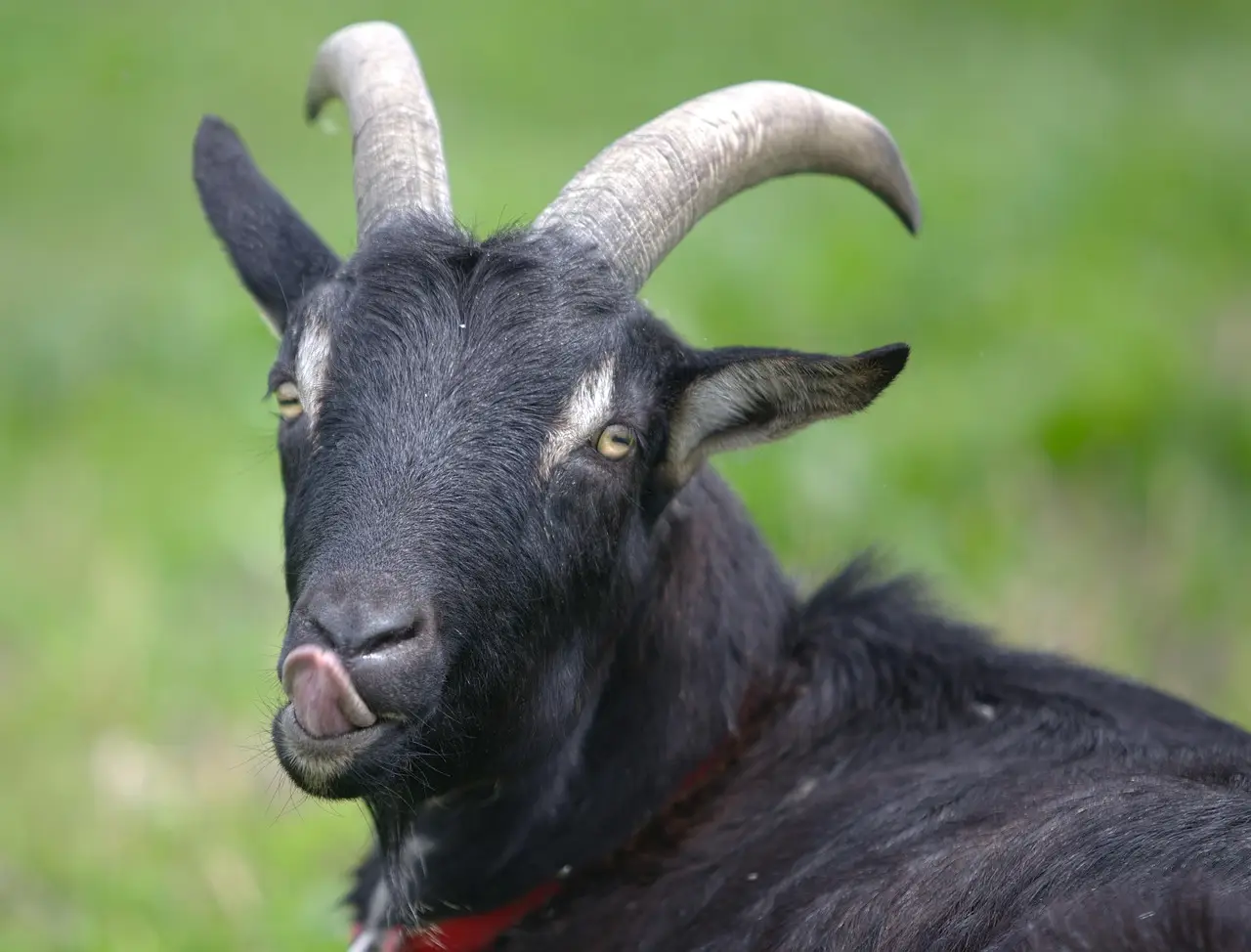
- No direct contact for children under five with preweaned calves, lambs, goat kids and recently birthed animals, which shed the most and draw toddlers.
- No animal contact at any venue that cannot provide soap and running water at the exit. No sanitizer-only petting zoos.
- No permit, no petting zoo, covering every operator, location and season, including traveling operators. The same operator name, he notes, appeared at the Big Fresno Fair in 2005 and the Arizona State Fair in 2025.
He also delivers the Model Act he promised in 2015. The "Petting Zoo Preservation Act" draws on Pennsylvania's law, Aedin's Law, Washington's rule, the Arizona Public Health Association's post-outbreak proposal and the 2023 Compendium. It requires pre-opening inspections, staffed hand-washing exits, plain-language signage, no food or pacifiers in animal areas, veterinary health certificates, liability insurance as a permit condition, mandatory illness reporting, named-venue disclosure and civil penalties. Most of it, he writes, has been on the books in one state or another for twenty years. It just has not been on the books everywhere, and it has rarely been enforced.
Is the market acting first?
Insurers and operators are already retreating, though on the costliest timeline. Texas scrapped its fair petting zoo when insurers raised rates. The Arizona State Fair dropped its petting zoo for 2026 after an outbreak that sickened 18, hospitalized 11 and caused six cases of hemolytic uremic syndrome. The Maricopa County Fair dropped direct animal contact. A ban by lawsuit and insurance premium, Marler writes, is the most expensive and least predictable ban there is.
Nothing released so far connects the three current investigations. Whole genome sequencing will show whether any isolates match. Marler's appeal now sits with legislators in Texas, Illinois and California — three open investigations, he notes, and no federal law to answer them.
More from Marcus Bennett
Show full bio
Market editor covering technology and product news in Restaurant and hotel operations at The Pass Brief.
546 articles