FDA and USDA Still Struggle to Define Ultra-Processed Foods
FDA and USDA still lack a UPF definition a year after their information request, while an E. coli outbreak tied to Trader Joe's wraps reaches 50 patients and oyster Salmonella spreads to 19 states.
More than a year after the FDA and USDA issued a Request for Information seeking a uniform federal definition of ultra-processed foods, no definition has arrived. The agencies opened the docket in July 2025. They have not yet adopted what food safety observers might call the Potter Stewart standard — "I know it when I see it" — the phrase the Supreme Court justice used in 1964 to describe his threshold test for obscenity, but the delay itself shows how hard the definitional problem remains.
For restaurant operators and food manufacturers, the stakes are concrete. A federally recognized UPF definition would reach labeling, procurement specifications and menu claims. Until one exists, any "ultra-processed" descriptor on a menu or package carries no regulatory anchor. The agencies have not said when a rule will follow.
What is happening with the E. coli outbreak?
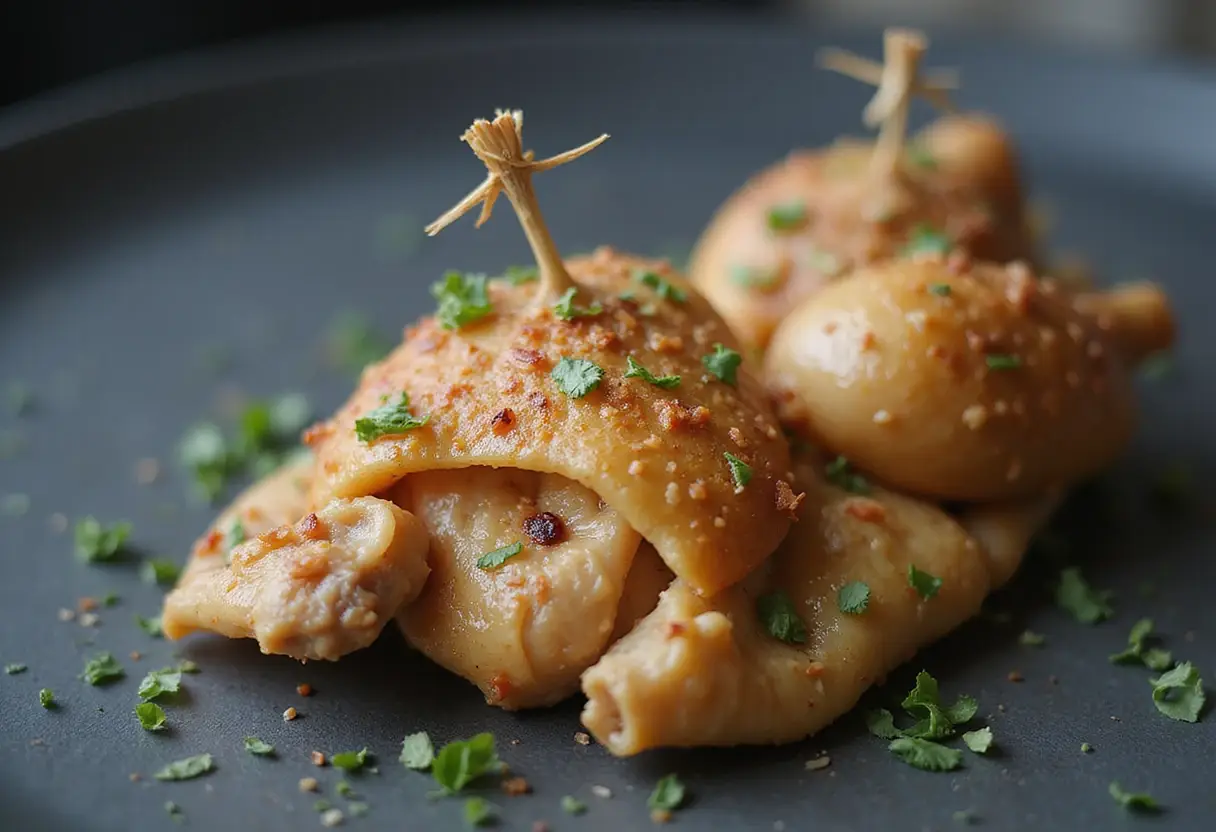
Food safety attorney and Food Safety News publisher Bill Marler has identified Trader Joe's Tarragon Chicken Salad wraps as the likely source of an E. coli O157:H7 outbreak affecting at least 50 patients. As of Oct. 23, neither the FDA nor the USDA had reported the brand involved or which regions are under investigation.
The silence is the story. A known supplier, a growing patient count and no public naming of the product leave restaurants and retailers unable to check their own supply chains against the outbreak. Marler's identification fills a gap the agencies have left open.
How far does the oyster Salmonella outbreak reach?
A Salmonella Telelkebir outbreak tied to oysters harvested in Virginia's Little Wicomico River has sickened 55 patients across 19 states, according to the Virginia Health Department. The state has closed the river to shellfish harvesting.
The Little Wicomico Oyster Company has recalled certain oysters and worked with the CDC to notify restaurants and retailers that received product. That notification step matters for operators: distributed oysters may still sit in inventories even after a harvest-area closure stops new supply.
What are the Dutch doing about Salmonella in poultry?
Dutch authorities will impose stricter Salmonella controls on poultry starting at the beginning of 2027. The package includes monitoring designed for faster detection of cases and a compulsory vaccination requirement for flocks.
The driver is measurable. Prevalence of Salmonella detected in Dutch laying hens runs above the EU target of two percent. The Dutch rules signal where EU-origin shell and liquid egg supply chains may tighten over the next two years, a consideration for U.S. buyers of imported egg products.
Why did a judge halt the USDA reorganization?
A federal judge has imposed a stay on the USDA's reorganization plan. The department announced in April that it would close some offices and facilities and move others out of Washington to USDA offices across the country.
Government employee unions sought the order in a lawsuit arguing only Congress can decide how and where appropriated funds are spent. The stay runs through Dec. 1, matching the expiration of the current continuing resolution that keeps the federal government operating. The practical effect is uncertainty for USDA field staff who inspect meat and poultry and for the agencies' food safety footprint.
What comes next?
The UPF definition remains the slowest-moving item, and it is the one with the broadest commercial reach. Until FDA and USDA commit to a definition, or a deadline, operators making processing-related claims are working without a federal yardstick.
More from Marcus Bennett
Show full bio
Market editor covering technology and product news in Restaurant and hotel operations at The Pass Brief.
537 articles