CDC and FDA Temperature Rules Cover 11 Raw Foods Diners Trust Too Much
Eleven familiar foods carry more raw-eating risk than expected, from Vibrio in oysters to lectins in kidney beans. CDC and FDA temperature rules spell out the fixes.

Cookie dough and farm-stand cider look harmless right up until they send someone to the doctor. That's the uncomfortable premise behind a new food-safety rundown identifying 11 foods that carry more raw-eating risk than most people assume — a list that touches flour, sprouts, kidney beans, elderberries, juice, milk, oysters, fish, burgers, eggs and chicken.
The common thread isn't spoilage. It's that color, smell and freshness cannot reveal bacteria, parasites or natural toxins. Most of the 11 items become safe with heat or a pasteurized label, which makes the fix cheaper than the risk sounds.
What do the regulators actually require?
The numbers are precise, and they come from the CDC and FDA.
- Raw flour and dough. CDC guidance flags both raw flour and raw eggs as hazards in uncooked dough; flour can carry E. coli or Salmonella long before it looks perishable. Bake batter as directed. For edible cookie dough, use heat-treated flour and pasteurized eggs.
- Sprouts. Seeds sprout in warm, damp conditions — the same conditions bacteria love. Washing removes dirt, not germs. CDC recommends cooking sprouts until steaming hot.
- Dry kidney beans. Raw kidney beans contain phytohaemagglutinin, a natural lectin that can cause severe nausea, vomiting and diarrhea. FDA recommends soaking dried beans at least five hours, discarding that water, then boiling in fresh water for at least 30 minutes. Canned kidney beans are already fully processed.
- Elderberries. Raw elderberries and their juice may contain cyanogenic glycosides, compounds that can release cyanide during digestion. Oregon State University Extension advises cooking them first and removing stems and leaves, which carry more toxins. Unidentified red elderberries should never go into homemade food.
What about the beverages?
Untreated juice carries a formal warning. Packaged untreated juice must bear an FDA warning label, but juice sold by the glass at orchards, markets or juice bars may not. The FDA's advice: buy pasteurized, and ask about treatment when the label is unclear.
Raw milk is a bigger exposure. Farm hygiene reduces contamination but cannot guarantee safety against Campylobacter, E. coli, Listeria, Brucella and Salmonella. Pasteurization kills those germs without reducing the milk's nutritional value. CDC calls pasteurized milk the safest option, especially for people at higher risk.
Which proteins carry the sharpest risk?
Raw oysters top the sensory-trap category. An oyster carrying Vibrio can look, smell and taste completely normal, and neither lemon juice nor hot sauce kills the bacteria. CDC cooking directions are specific: boil shell-on oysters until they open, then keep boiling three to five minutes; steaming takes four to nine minutes. Discard any shells that never open.
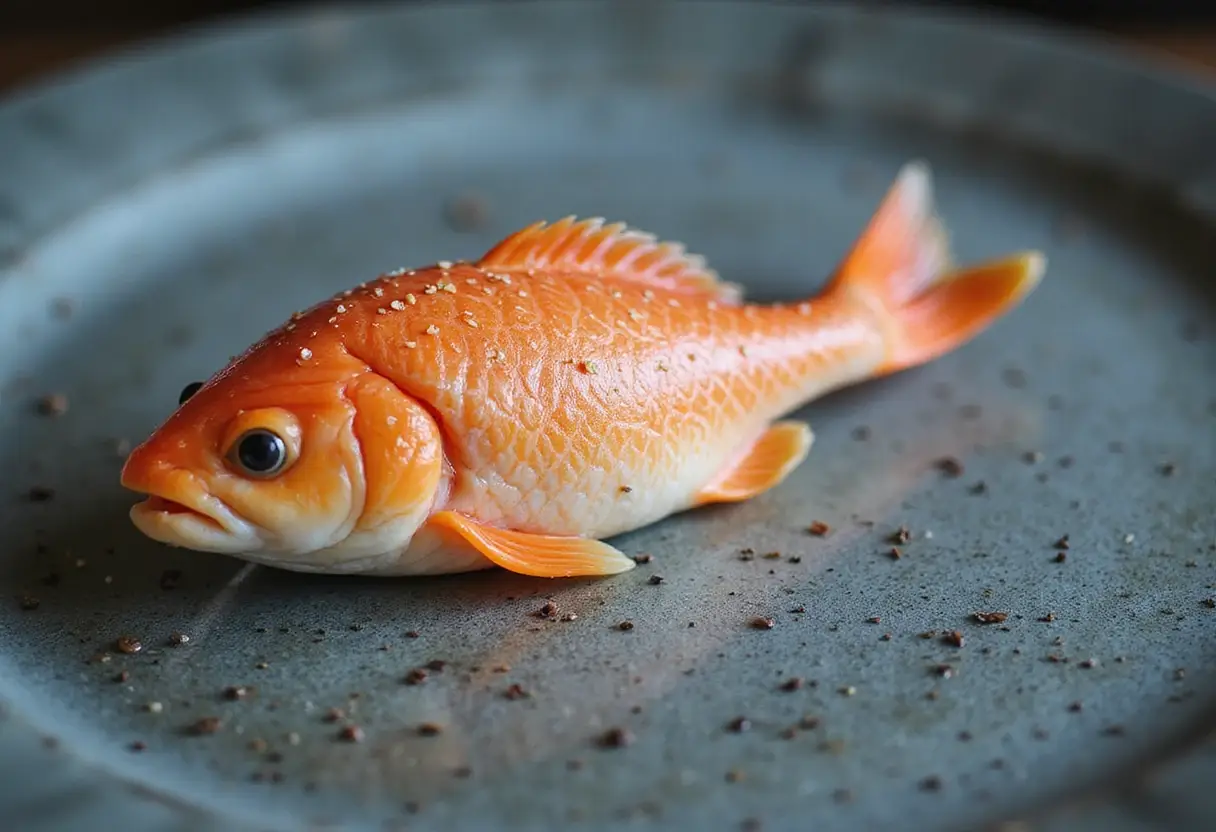
Frozen fish isn't germ-free either. Freezing kills many parasites but not every harmful microbe, so raw sushi and ceviche still carry risk even from previously frozen fish. FDA recommends cooking fish to 145°F — or, without a thermometer, until the flesh is opaque and flakes easily.
Ground beef changes the calculus entirely. Grinding moves surface bacteria throughout the burger, which makes color a poor doneness test. The federal temperature chart calls for 160°F on ground beef, versus 145°F for whole cuts like steaks, chops and roasts, with a three-minute rest before eating.
Eggs follow the same logic. Clean, uncracked shells don't guarantee freedom from Salmonella. FDA guidance says yolks and whites should be firm, egg dishes should reach 160°F, and pasteurized eggs belong in Caesar dressing, mousse and homemade ice cream — or any dish served raw or undercooked.
Chicken rounds out the list with three pathogens: Campylobacter, Salmonella and Clostridium perfringens. Every part must hit 165°F, checked with a thermometer at the thickest area. And don't rinse the bird first — splashing water spreads germs around the sink. CDC also says to keep raw juices away from ready-to-eat food.
What does this change for operators and home cooks?
The practical takeaway is procedural, not sensory. Food-safety advice feels overly cautious precisely because risky foods look safe, which is why a thermometer or a pasteurization label outperforms confidence at the counter or cutting board.
For operators running raw-bar programs, fresh-juice service or undercooked-egg dishes, the compliance path runs through documented temperature checks and verified sourcing — pasteurized eggs, treated flour, cooked sprouts. Small, repeatable checks beat judgment calls every time, and as regulator guidance keeps emphasizing the same temperature thresholds, kitchens that build those checks into prep routines will be the ones that stay off outbreak reports.
More from Daniel Okafor
Show full bio
Correspondent covering companies, deals and strategy in Restaurant and hotel operations at The Pass Brief.
694 articles