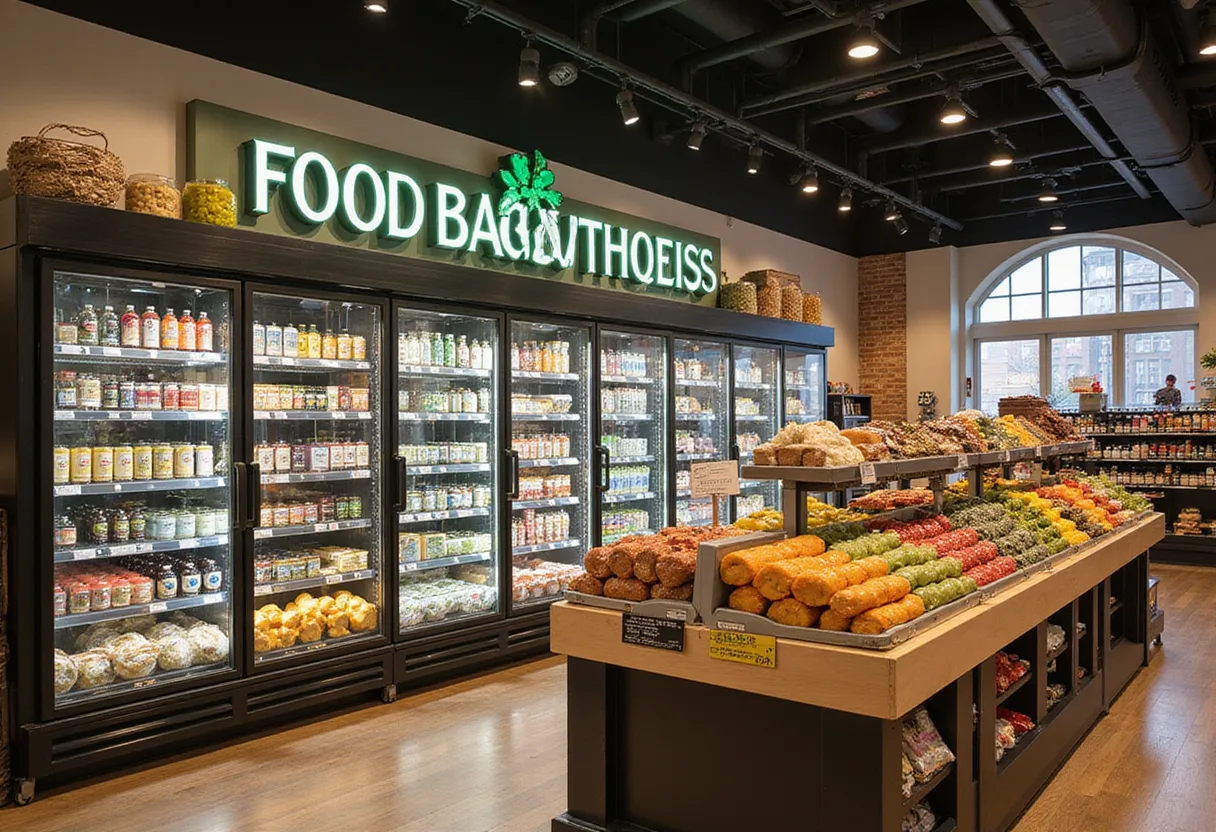
Whole Foods Names Beans, Clean Labels, Zero Waste 2.0 as 2027 Food Trends
Whole Foods Market's 2027 trend forecast puts beans, clean labels, and Zero Waste 2.0 in the spotlight. Here's what each category means for operator sourcing, menu engineering, and margins.
Whole Foods Market has named beans, clean-label products, and what it labels "Zero Waste 2.0" among its top food trends for 2027, according to a Green Queen Media report on the Amazon-owned grocer's annual forecast.
The three named categories signal where Whole Foods expects operators and shoppers to put their dollars next year. Beans point to a pantry-staple comeback driven by inflation-weary diners seeking protein value. Clean-label sourcing has been a category watchword since the 2010s, but the trend forecast treats it as table stakes now, not a differentiator. Zero Waste 2.0 implies a second-generation push beyond single-stream recycling toward supply-chain redesign.
What does each trend mean for operators?
Beans land on the list because they hit two economics at once. They cost a fraction of animal protein per gram of protein, which matters as food costs climb. They also carry a sustainability story that's easy to print on a menu. Operators who build menu items around beans can tell that story without raising check averages dramatically. The risk: beans have been a buzzword before. Without execution, the trend won't move ticket averages.
Clean-label menus strip ingredient lists down to items a guest can pronounce. Whole Foods has championed this since its founding, so naming it as a 2027 trend reads more as confirmation than discovery. For operators, the pressure sits in sourcing. Clean-label suppliers typically cost more than conventional ones. The math works only if guests will pay the premium or if waste drops enough to offset it.
Zero Waste 2.0 moves beyond the kitchen-scrap compost bin. It asks suppliers to redesign packaging, distributors to consolidate routes, and operators to track waste by line item. That's expensive to set up and hard to measure. Operators who skip the trend keep their costs predictable. Those who adopt it take on a reporting burden that may not show ROI for years.
How does this shape sourcing for 2027?
Whole Foods' trend lists have a mixed track record. The annual report draws heavy press coverage and shapes CPG product development, but restaurant operators usually adopt these threads on a two-year lag. If beans and clean labels show up in retail SKUs across 2026, expect to see them on menus in 2027 and 2028.
The bigger operator takeaway is the through-line: cost discipline, supply-chain transparency, and waste reduction. None of these are new. Naming them as 2027 trends suggests Whole Foods expects margin pressure to continue, and expects suppliers and operators to answer with engineering rather than marketing.
What's the practical read for a multi-unit operator?
A trend forecast like this rarely changes a P&L on its own. What it does is give purchasing teams cover to renegotiate bean contracts, justify clean-label SKUs that cost a few cents more per unit, and pitch Zero Waste 2.0 initiatives to landlords who want ESG reporting from their tenants.
Watch whether major restaurant groups publish their own trend or sourcing forecasts in the same window, and whether bean-forward menu items actually move traffic or just decorate existing menus. Whole Foods is essentially telling the supply side where it plans to allocate shelf space and category stories, and operators who ignore that signal tend to feel it six months later in distributor pricing.
More from Olivia Hart
Show full bio
Staff writer covering regulation, policy and their impact on Restaurant and hotel operations at The Pass Brief.
415 articles