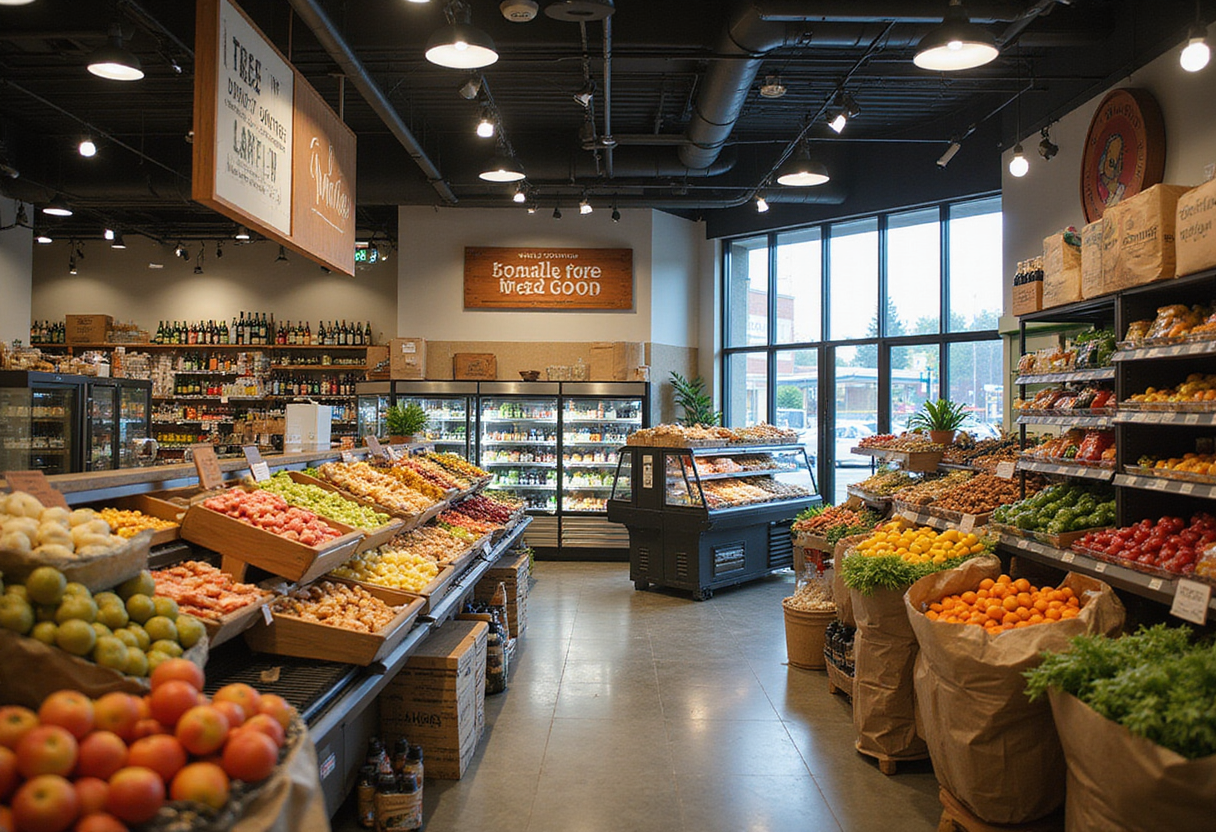
Whole Foods Market Lays Out Its 2026 Food & Beverage Trend Forecast
Whole Foods Market has published its 2026 food and beverage trends forecast, the annual list that suppliers and foodservice operators use to time launches for the year ahead.
Whole Foods Market has released its annual forecast of food and beverage trends for 2026, the company's predictions list that grocery operators, foodservice directors and product developers treat as an early signal of what will reach shelves, steam tables and grab-and-go cases next.
The retailer, owned by Amazon since its $13.7 billion acquisition in 2017, publishes the list each year through its trends council — a group of foragers and culinary experts who screen products and categories across the chain's roughly 500 stores in the U.S., Canada and the U.K.
What does this change for restaurant and foodservice operators? In practice, the Whole Foods list functions less as prophecy and more as a merchandising roadmap. Distributors, plant-based brands, beverage startups and private-label teams time launches and pitch cycles around it, which means the ingredients and formats it names tend to show up in supplier catalogs — and on menus chasing retail pricing — within 12 to 18 months.
For operators watching cost of goods, that lag matters. Trends that begin as premium, niche SKUs in a natural-foods setting often arrive at foodservice distributors a year later at broader distribution and lower price points. Menu engineers who track the list can decide early which items justify a limited-time-offering test and which never leave the retail shelf.
The 2026 edition arrives with retailers and restaurants competing harder over prepared foods and ready-to-drink beverages, categories where grocers have taken share from quick-service and fast-casual chains. Whole Foods has invested steadily in its prepared-foods and in-store dining programs, positioning those departments as margin drivers that outperform center-store grocery.
The specifics of this year's list — the ingredients, beverages and product formats the council singled out — were not detailed in the initial announcement. WholeFoods Magazine's report points readers to the full forecast through the retailer's newsroom, where the trends council typically explains each pick with sourcing and product examples.
Operators and product teams can expect the usual pattern to hold: beverage innovation, functional ingredients and international flavors tend to dominate these lists, and the brands featured often see a measurable sales lift from the exposure. Suppliers, meanwhile, treat inclusion as a de facto endorsement that can unlock distribution well beyond Whole Foods' own stores.
Watch the full list for items that map onto existing kitchen programs — anything that requires no new equipment or labor skills is the cheapest trend to test — and expect the first menu appearances of 2026-trend ingredients by spring.
More from Daniel Okafor
Show full bio
Correspondent covering companies, deals and strategy in Restaurant and hotel operations at The Pass Brief.
330 articles