Beyond protein: the next wellness wave, decoded for operators
Food Dive's 'Beyond protein' piece reframes the wellness menu brief. Hydration, mood, and gut health are next. Operators now face menu engineering, pricing, and supply chain questions.
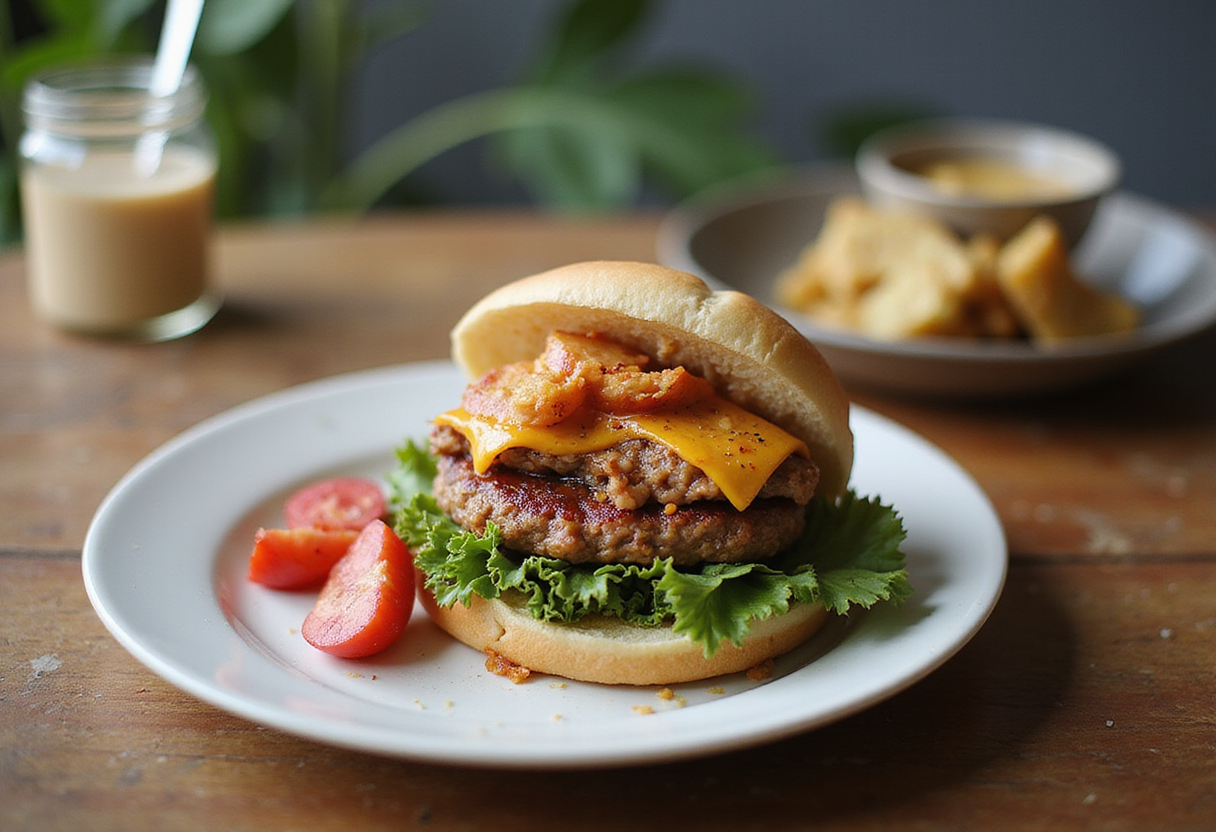
Food Dive's latest trend dispatch lands under the headline "Beyond protein, the new wellness trends shaping food and beverage." That phrasing does most of the editorial work.
It tells operators that protein has moved from headline to baseline. The next wave of wellness items needs to live somewhere else on the menu.
What does "beyond protein" mean for menu developers?
It means the wellness brief is changing. Operators who built their wellness positioning around protein density now need a second pillar. The trade press framing — "beyond" — is the signal that the next round of wellness items will be defined by something other than grams of protein.
Which trends is the trade press pointing at next?
Food Dive's framing places hydration, mood, and gut health as the most commonly named next buckets. Hydration means better-for-you drinks at the table, with electrolytes and minerals that used to live in the sports aisle. Mood means ingredients positioned around stress, sleep, and energy regulation — adaptogens, nootropics, and the broader functional ingredient category.
What does it cost to play in?
Protein had a clean retail story. A consumer sees the protein number on the label and the math is done. Newer wellness claims don't translate as easily onto a label. That's the operator's challenge: how do you merchandise a sleep claim without leaning on a number?
The most likely answer is ingredient transparency. List the functional ingredient by name — ashwagandha, lion's mane, L-theanine — and let the consumer connect the dots.
Functional ingredient costs run meaningfully higher than commodity protein, because the supply chains are less mature. Lead times are longer, minimum order quantities are higher, and price volatility is wider. Most operators pass the premium through to the guest, because the consumer shopping for functional benefits is less price-sensitive than the value shopper.
What should operators watch?
The menu engineering question is the first one. Protein scaled across dayparts — breakfast, lunch, dinner, and snack all carried the story. The next wave is more fragmented. Hydration lives in beverages. Mood lives in late-day occasions. Gut health lives in fermented and fiber-forward items.
Operators have to decide whether to stretch one item across multiple dayparts, or build three items across three dayparts and let the guest pick their wellness lens. Limited-time offers are the safest test bed before committing to permanent placement, because guest reaction is the only honest test of a functional claim.
The distribution question is also live. Functional ingredients are easier to merchandise in limited-service and fast-casual formats where the menu is shorter. Full-service operators can lead on education through servers and printed descriptions, but they need a trained front-of-house to deliver the message. The training cost is real, and it shows up in the labor percentage.
The sourcing question matters most of all. Functional ingredient supply chains are less mature than protein supply chains. Ashwagandha and lion's mane have a smaller grower base than whey or pea protein. Lead times are longer, minimum order quantities are higher, and price volatility is wider. Operators who want to test these items need to lock in supplier relationships before menu placement decisions, not after.
Food Dive's piece is the signal that wellness F&B has a second act. Operators who treat protein as the floor — the price of entry into the wellness category — rather than the ceiling have time to test, source, and price the next wave before it becomes table stakes. The menu engineering work starts this planning cycle.
More from Olivia Hart
Show full bio
Staff writer covering regulation, policy and their impact on Restaurant and hotel operations at The Pass Brief.
342 articles