Taco Bell pilots four horchata drinks ahead of December launch
Taco Bell will pilot four horchata-flavored beverages at Live Más Café locations ahead of a December nationwide launch, part of the chain's stated push toward $5 billion in annual beverage sales.
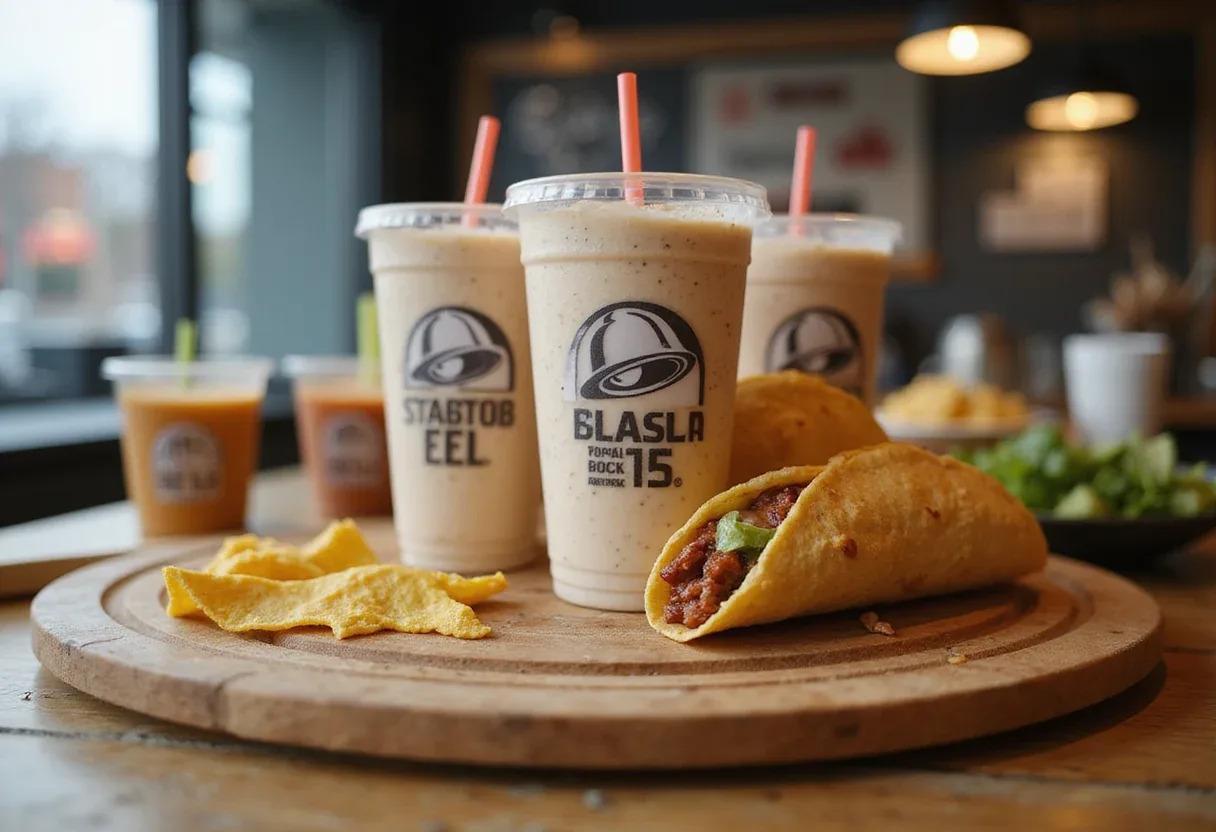
Taco Bell will pilot four horchata-flavored beverages at Live Más Café locations. The test runs ahead of a nationwide rollout scheduled for December.
The Irvine, California-based Mexican-inspired chain, owned by Yum! Brands Inc. (NYSE: YUM), is testing the drinks as part of a stated push toward $5 billion in annual beverage sales. Live Más Café is Taco Bell's specialty coffee and refreshment concept.
What does the pilot cover?
The pilot covers four horchata variants. Format details — hot, iced, blended, dairy, or non-dairy — remain undisclosed as of publication. The chain has been characteristically tight-lipped on specifics.
A pilot of this scope typically runs several weeks before a system-wide go/no-go decision. The December launch window suggests training materials, equipment specs, and supplier agreements are nearing completion across the system. Beverage rollouts at major QSR (quick-service restaurant) chains conventionally require six to eight weeks of lead time for distribution and operator training, a timeline that aligns with the stated December target.
Why horchata, and why now?
Beverage programs have become a strategic lever for chains seeking to lift average check without raising entrée prices. Drinks typically carry lower food cost percentages than entrée items. That makes them attractive margin drivers when attachment rates climb.
Taco Bell's existing beverage mix already includes the Baja Blast line (a Mountain Dew flavor exclusive to the chain), the Freeze frozen carbonated platform, and bottled water. Adding horchata broadens the chain's cultural flavor portfolio and addresses a beverage occasion the current lineup does not reach. Horchata, a rice-and-cinnamon drink rooted in centuries of Mexican culinary tradition, remains underdeveloped at QSR scale, leaving white space for early movers.
How does the $5 billion target map to operations?
The $5 billion figure is a category goal, not a current run-rate. The math depends on whether the target covers company-operated restaurants only or the full franchised base.
Industry benchmarks typically place beverage contribution at 15-22% of total QSR sales. Reaching $5 billion would require meaningful lift in per-unit drink contribution across the U.S. system. Closing that gap demands either ticket growth, higher attachment rates, or both, with operators and franchisees awaiting Taco Bell's first public breakdown of current beverage mix.
What should operators prepare?
Franchisees should expect new SKU (stock-keeping unit) build sheets, POS (point-of-sale) programming updates, and possible equipment modifications for hot beverage service. Coffee bars already configured for espresso-style drinks typically handle dairy-based extensions without major capital outlay, a detail that matters to operators weighing the rollout's equipment implications.
Distribution partners will need to confirm supply for horchata base, cinnamon, and sweetener components. Lead times for new beverage SKUs commonly run four to six weeks from final formula approval. Standard operator caution applies: do not pre-order equipment yet.
What role does Live Más Café play?
Live Más Café functions as Taco Bell's beverage research-and-development vehicle. The smaller-format concept limits marketing exposure and operational risk during testing.
The pilot gathers check-level data on attachment, repeat purchase, and price elasticity (the relationship between price changes and consumer demand), metrics that will determine whether horchata graduates to the broader system menu. Taco Bell will release final specs to operators and franchisees ahead of the December launch. The chain has not announced pricing for any of the four variants.
What is at stake?
The $5 billion target carries strategic weight beyond menu novelty. QSR beverage mix correlates directly with traffic frequency and daypart extension (the spread of sales across morning, midday, and evening hours).
A horchata platform that succeeds in the winter window could anchor a year-round Hispanic-beverage program and signal a broader category bet on traditional Latin American drinks. That would create a defensive position against competitors eyeing similar category expansion. The pilot is small, but the category ambition is not.
What's next?
A successful December launch would position horchata as the next platform play in Taco Bell's diversification strategy. Line extensions are likely through 2025 and beyond, contingent on pilot performance and franchisee feedback.
More from Rebecca Stone
Show full bio
Senior reporter covering technology and product news in Restaurant and hotel operations at The Pass Brief.
437 articles