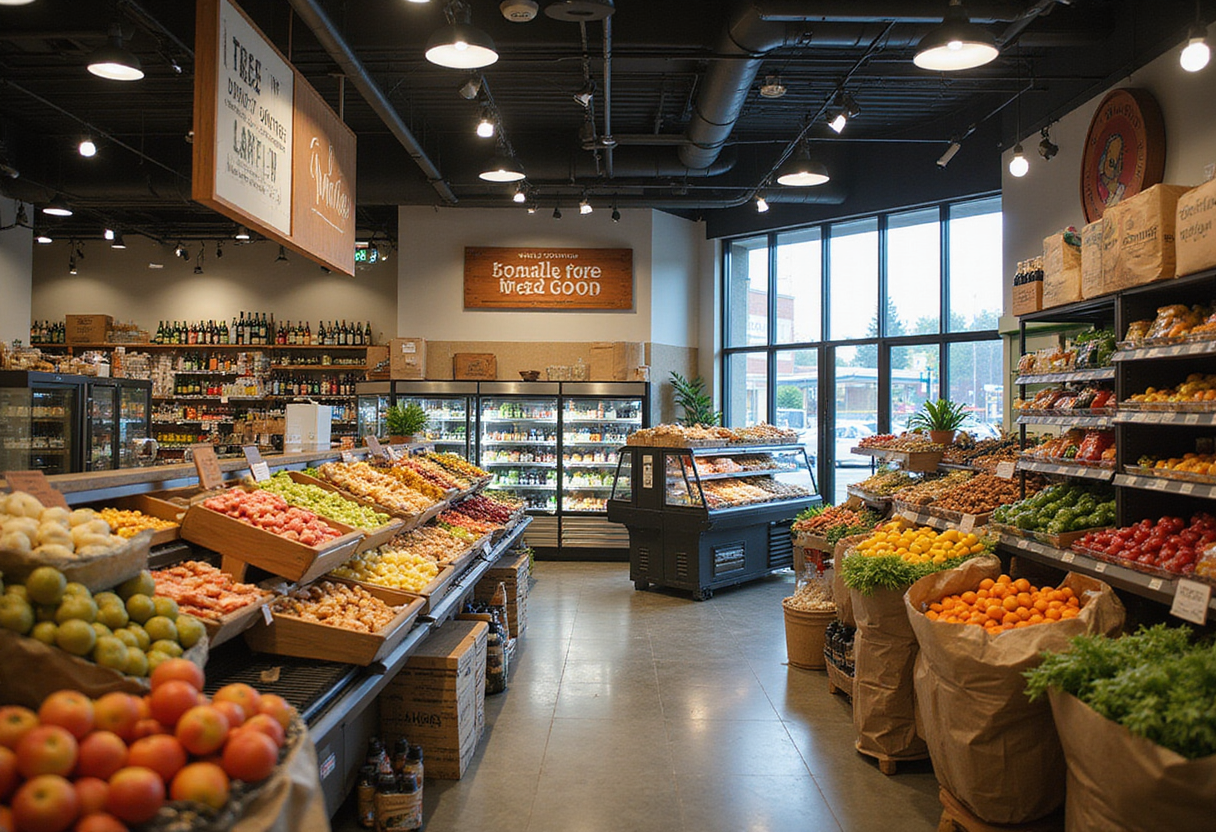
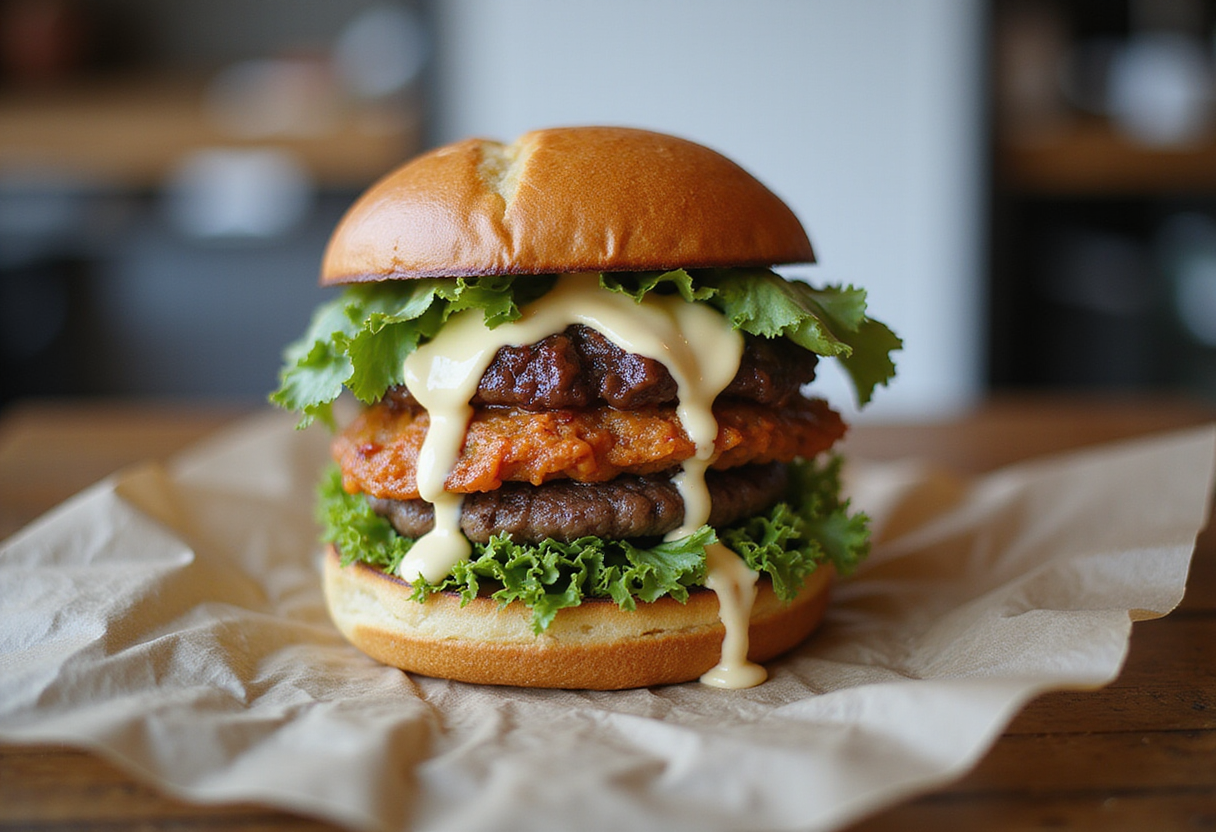
Whole Foods Market's 2027 Food Trend Forecast Just Dropped
Whole Foods Market has released its top food and beverage trend predictions for 2027 in a forecast operators and distributors watch as an early read on next year's sourcing and pricing pressure.
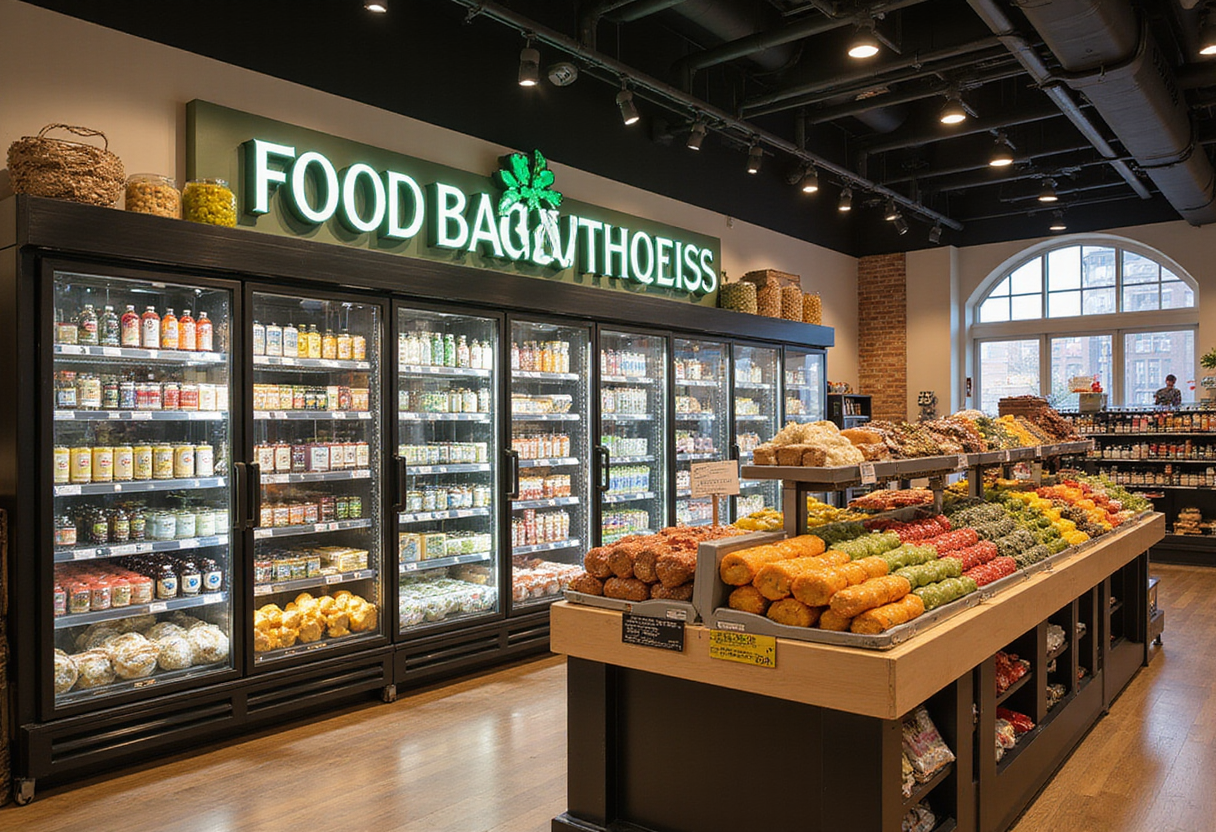
Whole Foods Market has released its top food and beverage trend predictions for 2027, the retailer's latest installment of an annual forecast that operators, distributors and menu developers treat as one of the earliest reads on where sourcing, flavor and ingredient demand could head next year.
The 2027 list was carried by regional outlets including the Eagle-Tribune. Whole Foods' trend reports typically run through the company's in-house Trends Council, a group of buyers, foragers and culinary specialists that surfaces categories the grocer expects to break through in produce, packaged grocery and prepared foods.
Why the list moves menus
Whole Foods is the upscale banner inside Amazon's grocery portfolio, and its annual forecast steers in-store merchandising, buyer briefs and private-label development. For restaurant operators, the report has become shorthand for which ingredients are about to see stepped-up retail demand — and which ones suppliers will push to source first.
That matters for unit economics. A flagged trend usually shows up at wholesale within one buying cycle: distributors tighten allocations when retail demand jumps, and operators locked into seasonal or specialty ingredients can see cost-of-goods move mid-quarter. Chains that built a 2027 menu around a Whole Foods-flagged SKU without a contract are most exposed.
What the list usually covers
Past Whole Foods forecasts have grouped picks into multiple culinary categories — often a few items per slot — and tend to spotlight a sourcing angle, with a heavy lean toward heirloom varietals, regenerative-ag claims, fermented or upcycled inputs, and new-format proteins. Operators who want to translate the slate into action usually map each pick against three operating questions: does my distributor carry it in volume, what's the contract price versus my current SKU, and can I engineer a menu item around it without retooling the line.
Chains with regional sourcing teams tend to act fastest. Smaller independents often wait one season to see where wholesale settles before committing menu space.
What's confirmed and what isn't
The body of the 2027 prediction article circulating through the Eagle-Tribune feed was not fully readable in the source material here. Operators who want the actual picks should pull the report directly from Whole Foods' press channels or via the Eagle-Tribune's full write-up, because the trend slate itself — not the announcement — is the part that does the menu-planning work.
What does this change for operators?
Practically speaking, the 2027 list is a procurement signal more than a marketing one. If a flagged item sits on your existing menu, audit your contract now. If it's a new direction for you, give your distributor a 60- to 90-day heads-up so allocation doesn't surprise you mid-rollout. And if you're planning 2027 LTOs, weigh the list against the shelf talk you'll actually compete with at retail — a Whole Foods-flagged trend tends to move foodservice pricing quickly.
The 2027 trend slate now sits alongside the National Restaurant Association's "What's Hot" culinary forecast as one of two industry-grade reads operators weigh when they lock in next year's menu, pricing and sourcing plans.
More from Olivia Hart
Show full bio
Staff writer covering regulation, policy and their impact on Restaurant and hotel operations at The Pass Brief.
397 articles