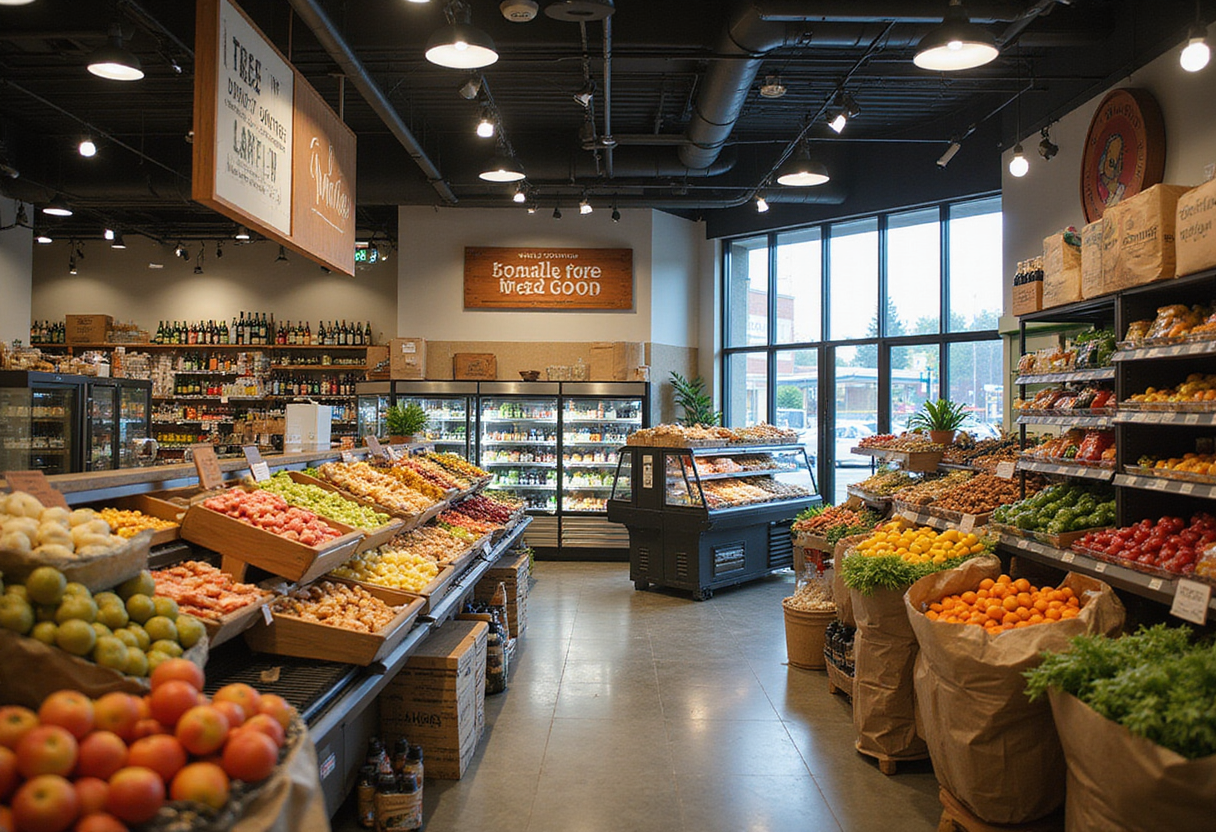
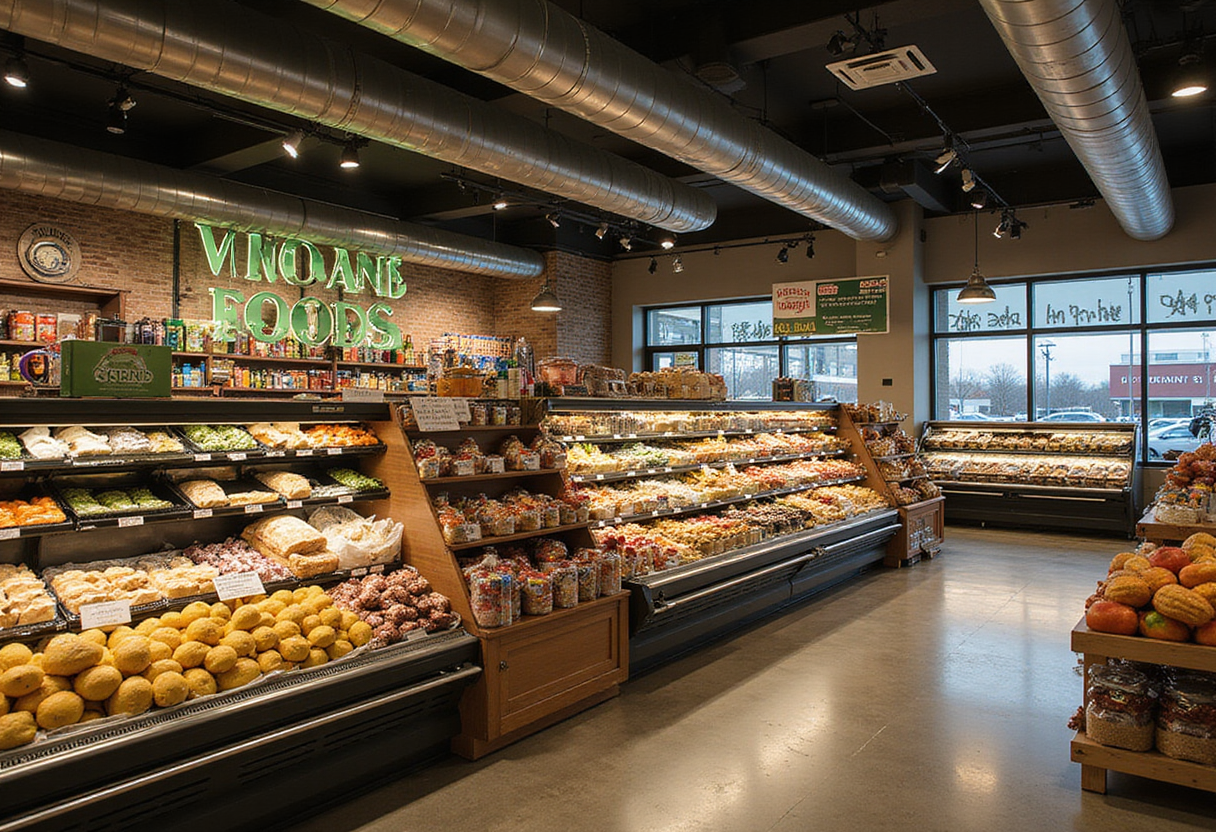
Whole Foods Says These Food Trends Will Dominate 2027
Better Homes & Gardens publishes Whole Foods' forecast of the food trends it expects to be significant in 2027 — a sourcing signal for restaurant menu planners.
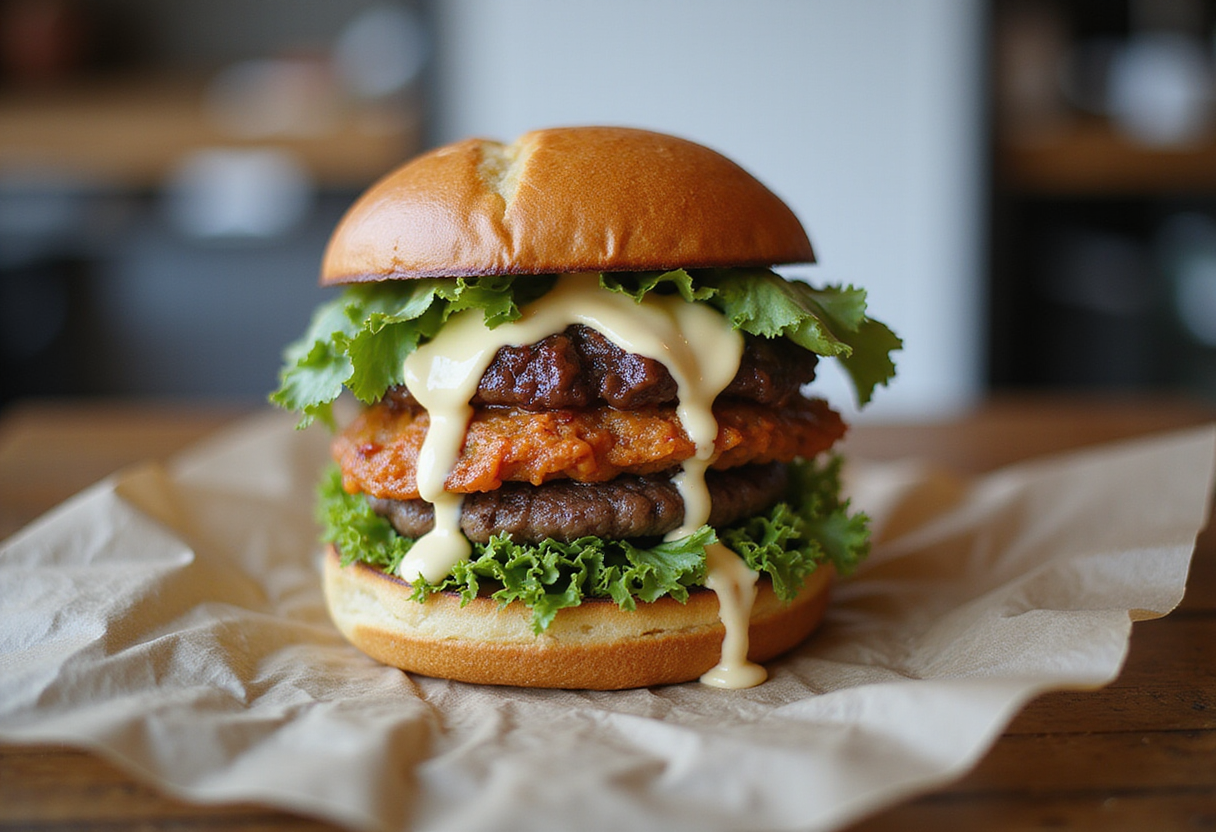
Better Homes & Gardens has published Whole Foods' forecast of the food trends the retailer expects to be significant in 2027, extending a prediction exercise the grocery chain runs annually for its buyers and supplier network.
The syndicated article circulates through Google News' food vertical this week, and it arrives as restaurant operators plan menu cycles two to three years out — the same horizon Whole Foods names.
What does this change for operators? On its own, nothing operational. A grocer's trend list is a sourcing signal, not a mandate. But Whole Foods' predictions carry weight because the company translates them into purchasing: its trend councils shape what appears on the retailer's shelves, and grocery shelf placement historically moves upstream supply before independent restaurants feel it.
For menu developers, the practical value of a 2027 list is timing. Ingredients that grocery retail adopts first typically reach chain menus 12 to 24 months later, once volumes rise and unit costs fall. An operator reading the Whole Foods forecast now has a window to lock supplier relationships before commodity prices tighten.
The forecast's format also matters for pricing strategy. Retail trend lists tend to highlight ingredients that are scaling in production — the point at which cost of goods drops enough to justify a limited-time-offer test at chain level. Operators watching the list can sequence tests accordingly: pilot in a single market, measure attachment, then decide on a systemwide rollout.
Whole Foods, owned by Amazon since its $13.7 billion acquisition in 2017, has issued annual trend forecasts for years; Better Homes & Gardens is among the consumer titles that republish them. The 2027 edition follows the same pattern of identifying ingredients and formats the retailer expects to move from niche to mainstream.
The full list of named trends appears in the Better Homes & Gardens feature. For restaurant readers, the actionable step is cross-referencing those items against current supplier catalogs — anything already available at scale is a candidate for menu engineering this cycle rather than next.
Expect the named ingredients to surface in limited-time offers and fast-casual launches through 2026 and 2027 if the forecast holds.
More from Elena Vasquez
Show full bio
News editor covering people, launches and day-to-day practice in Restaurant and hotel operations at The Pass Brief.
412 articles