Walk-On's Halves Its Footprint With a $2 Million Franchise Prototype
Walk-On's new prototype halves its footprint to 3,500–4,000 square feet and cuts development costs to $2 million, with the first build opening in Baton Rouge in early 2027.
Walk-On's Sports Bistreaux has cut its typical restaurant footprint in half, from 7,000–8,000 square feet to 3,500–4,000, in a new prototype aimed at franchisees with development costs as low as $2 million.
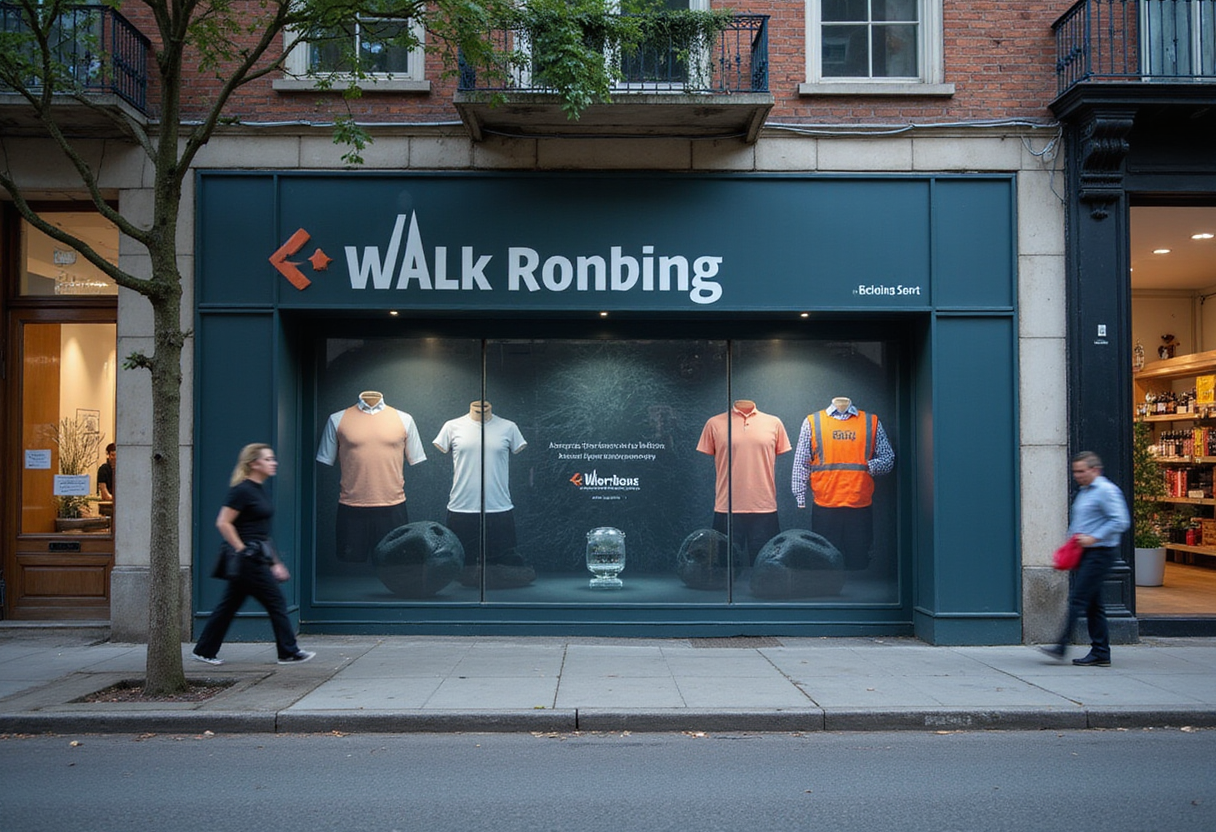
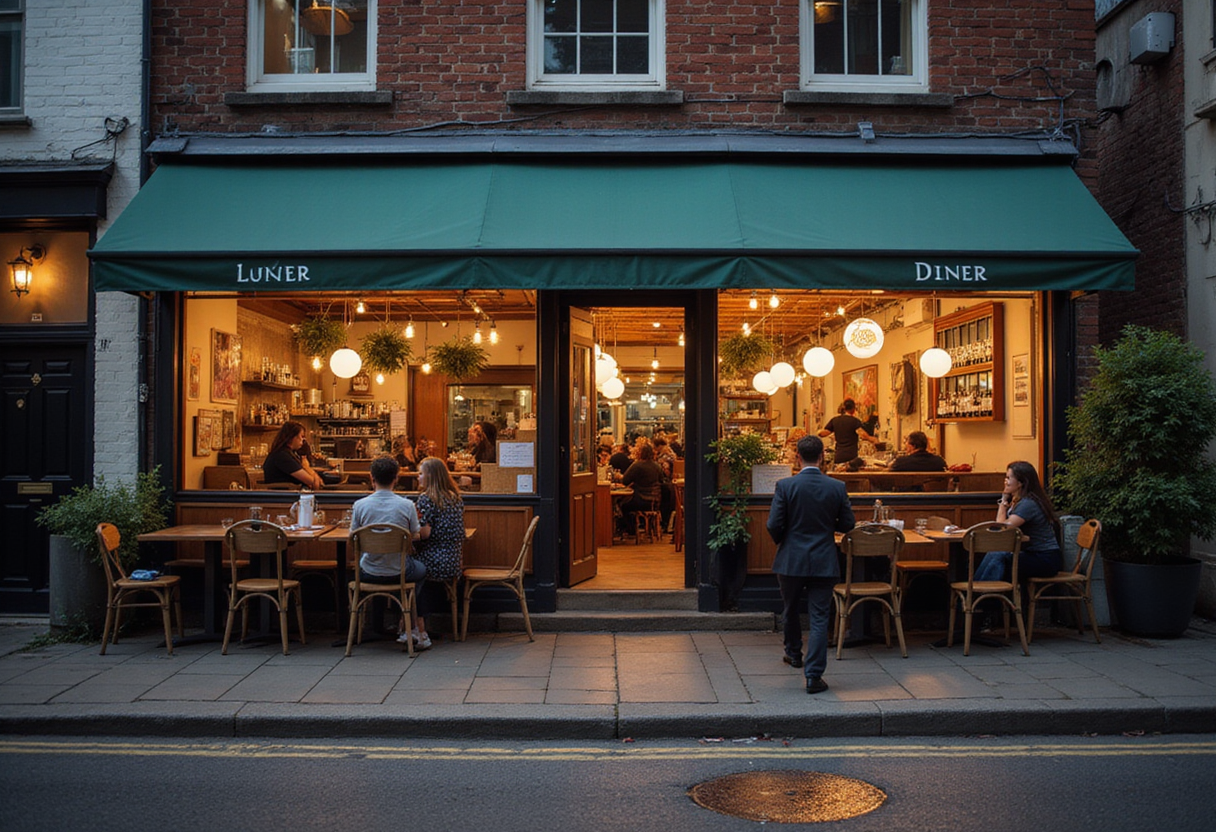
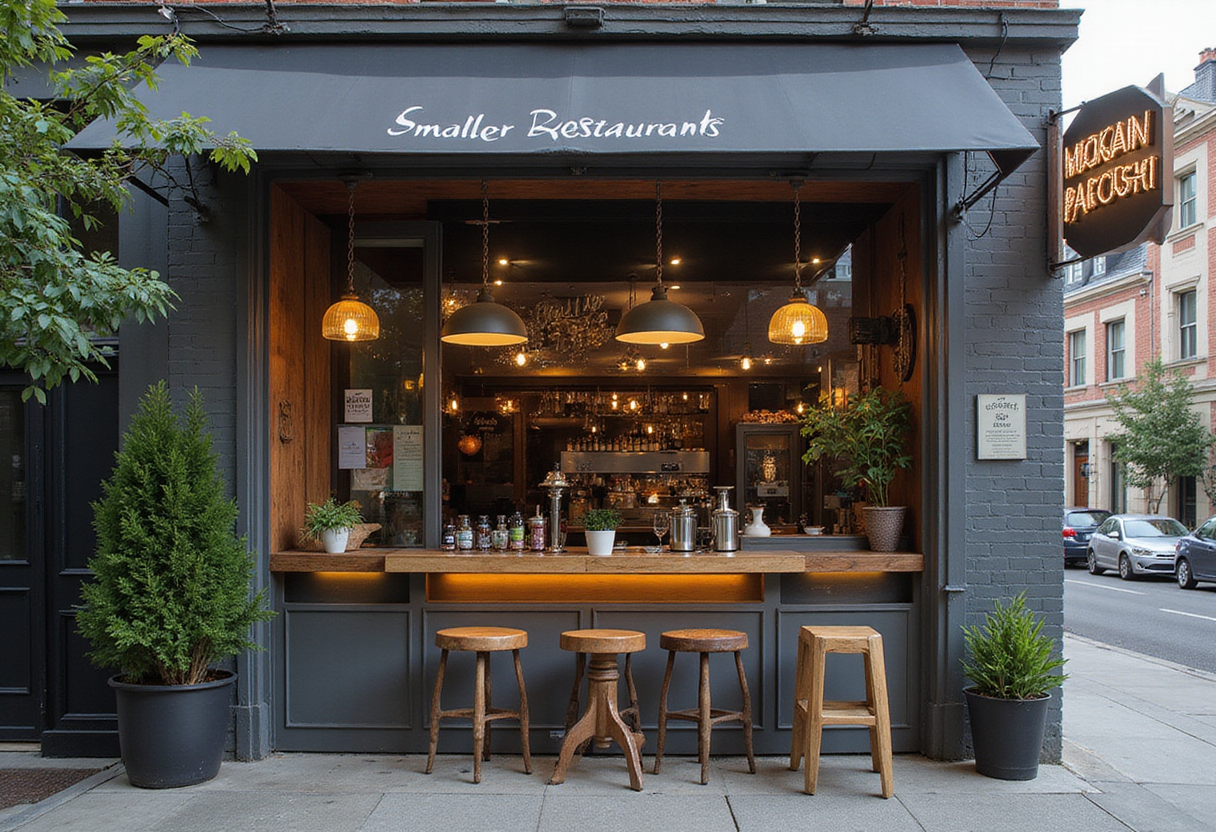
The Baton Rouge-based sports-bistreaux chain, which operates nearly 80 locations, unveiled renderings of the scaled-down design this week. Madrid-based restaurant design firm Livit created the prototype as a set of flexible elements — an array of TVs inside and out, a lounge area, and a large bar — that operators can add or subtract depending on their needs.
The first location built to the new design will open on Perkins Road in Baton Rouge in early 2027. It will span roughly 3,688 square feet and seat 125 customers.
What does the smaller box change for operators?
The math is straightforward: the prototype trades dining room capacity for development economics. Walk-On's plans to offset the reduced seating with a heavier takeout mix, shifting revenue toward off-premise channels rather than compensating with denser seating or larger builds.
Growth pace provides context. Walk-On's will open just under 10 locations this year and another nine or 10 in 2027 — a moderate clip for a chain approaching 80 units. A prototype that lowers the build cost to the $2 million range widens the pool of franchisees who can finance a new unit and raises the potential return per development dollar.
The flexible design also matters for site selection. A smaller, modular box fits into real estate that a 7,000-square-foot unit cannot — infill lots, end caps, smaller pads — which expands the universe of available sites in existing markets.
For the brand's franchising pitch, the prototype does three things at once:
- Cuts the footprint by roughly 50%, to 3,500–4,000 square feet
- Brings development costs down to as little as $2 million
- Adds or subtracts design elements — lounge seating, bar size, TV placement — based on each operator's market
Livit's modular approach means franchisees are not locked into a single template. An operator can scale the bar and lounge up in a sports-heavy market or trim them where takeout dominates.
The early-2027 Baton Rouge opening will serve as the first live test of whether a half-size Walk-On's can hold its revenue model with 125 seats and a stronger takeout component. If unit economics hold, the chain has a cheaper, faster-to-build vehicle for its roughly 10-units-per-year growth trajectory.
More from Elena Vasquez
Show full bio
News editor covering people, launches and day-to-day practice in Restaurant and hotel operations at The Pass Brief.
419 articles