Wagamama Rebuilt Its U.S. Menu Around 26 New Dishes
Wagamama runs 170-plus UK locations but only five U.S. restaurants. CEO Stephen Judge added 26 dishes and 11 operating systems before chasing growth in Florida and Texas.
Wagamama runs more than 170 restaurants in the U.K. After nearly two decades in the United States, it operates five. CEO Stephen Judge is betting that a rebuilt menu, standardized operations and a digital-first growth model can close that gap — on a deliberate timetable.
The five U.S. units include two in New York City plus Boston, Arlington, Virginia, and Tampa, Florida. Judge, a Liverpool native whose career includes stints with Seasons 52 and Bonefish Grill, was hired to fix a disconnect he traces to the original U.S. entry strategy.
Why did the British model fail in America?
"When they brought Wagamama to the U.S., they really brought it with a British playbook, a British recipe book and concept and seating layout that had been proven to be very successful in the U.K.," Judge said. "And frankly speaking, they didn't adapt it for the U.S. market."
His first six months included extensive consumer research. The company ran menu satisfaction studies covering portion sizes, pricing, ingredients and perceived value, and held focus groups in New York, Boston and Washington, D.C., on layouts, seating and menu presentation.
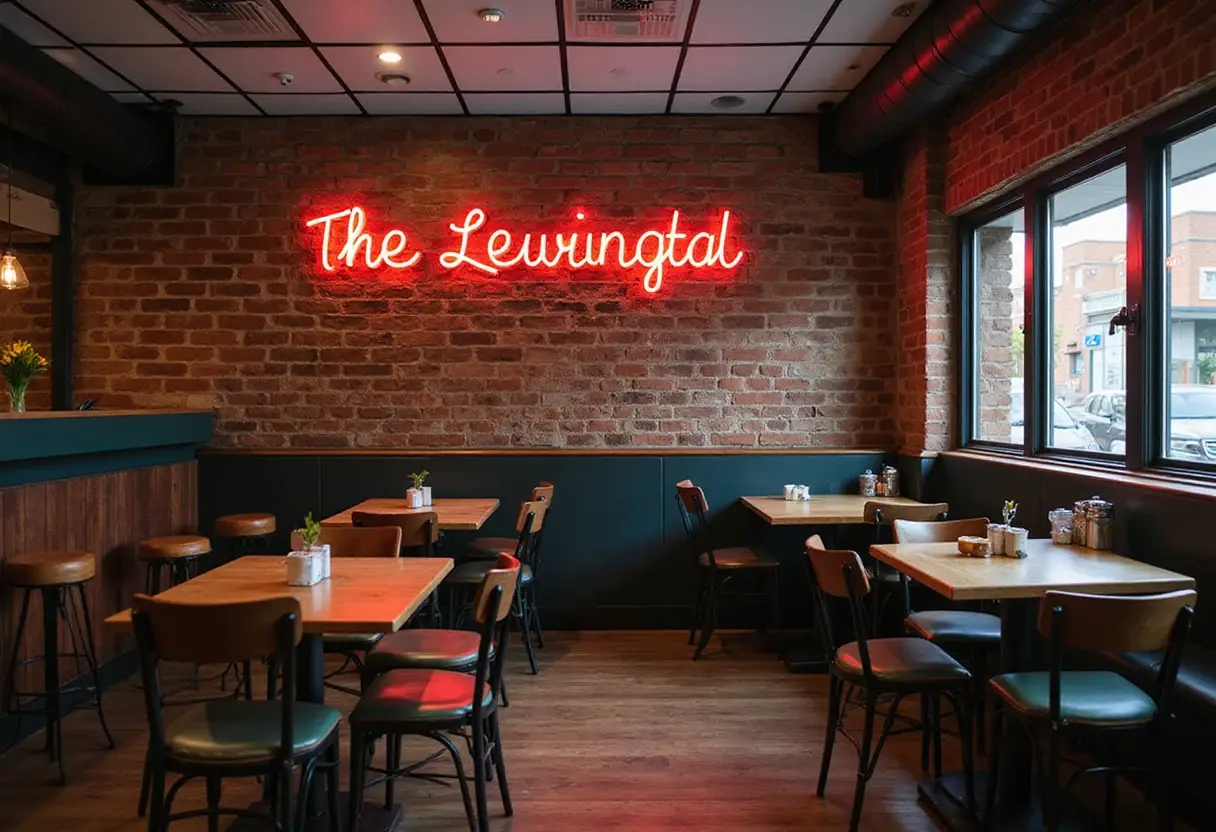
The findings challenged brand signatures. American guests disliked the communal tables and backless benches, calling them uncomfortable for longer meals. They wanted traditional chairs and flexible table configurations for varying party sizes. Newer restaurants in Tampa and New York now reflect those preferences.
The research also surfaced a specific customer profile:
- Women account for 57 percent of U.S. customers.
- More than 30 percent of guests earn over $150,000 annually.
What does the new menu look like?
Wagamama recently introduced 26 new dishes and 15 Asian-inspired drinks after evaluating more than 250 food items and roughly 150 beverage candidates. Additions include Wagamama beef sliders and customizable bao bun tacos, which let guests mix proteins and flavors rather than buy two identical buns. New beverage platforms — Wagaritas and Wagatinis — cover Thai chili margaritas, lychee martinis and ube espresso martinis.
The pricing architecture now spans occasions. "Technically, if you wanted to, you could come into Wagamama, get a couple of bao buns and get a juice and be in and out of the restaurant for 20 bucks if you wanted to," Judge said.
The wider selection also targets the veto vote — the party member who rejects a restaurant because the menu offers nothing appealing. More variety, customization, and vegetarian and vegan options are the tools.
Core items stayed: chicken katsu curry, yakisoba, pad Thai, bang bang cauliflower and signature ramens still anchor the menu. Some ramens now carry six ounces of protein, up from smaller portions, to match American expectations. Not every test survived. Judge said guests pushed back loudly when the company altered certain established dishes, and familiar versions were restored.
"I'm not going to say it was all glory and we got 100 percent right, but we do know that if we change this item or that item, we would get some very vocal guest feedback," he said.
The beverage program got infrastructure too. The longtime Boston restaurant upgraded from beer and wine to a full liquor license, and all five U.S. locations now hold full licenses.
What changes for expansion?
Judge is replacing the old model — independent, loosely connected restaurants — with consistent operating procedures, standardized menus, shared beverage programs and common preparation methods. The company has implemented nearly 11 operating systems over the past year and expects to spend the coming year testing and mastering them before accelerating development.
Awareness remains a second problem. Wagamama is a household name in Britain but nearly unknown to many American consumers, and five dispersed restaurants cannot build a national identity on their own. The response: a hired public relations firm, an OpenTable listing, and technology investments. A new Olo relationship powers Mamago, the direct-to-consumer pickup and delivery channel, and a data analytics provider now tracks guest frequency, ordering patterns and the relationship between dine-in and off-premises visits.
"We are going down a much more digital-driven path in the future as opposed to the old traditional open up the restaurant and see how many people we can get in," Judge said.
The company has spent the past 12 to 18 months evaluating real estate, including potential locations in Florida and Texas. Discussions are underway on prospective deals, but no openings have been announced. Judge has fielded interest from development partners and is being selective, personally studying whether candidate markets can support consistent lunch and dinner traffic all week.
His caution comes from experience. "What I learned growing Seasons 52 — the faster you grow, the faster you can fail in the restaurant industry," he said.
Judge sees tailwinds in Gen Z's demand for adventurous flavors and customization, with appeal he believes crosses age groups and dayparts, from dine-in to delivery to catering. But he frames the plan in capital terms.
"I call it disciplined growth because you want to do it in a disciplined and focused manner," he said. "Every time you open up a new restaurant, you take in additional investment. There's a capital resource associated to it, and you really need to make sure you know what you're doing."
More from Elena Vasquez
Show full bio
News editor covering people, launches and day-to-day practice in Restaurant and hotel operations at The Pass Brief.
532 articles